


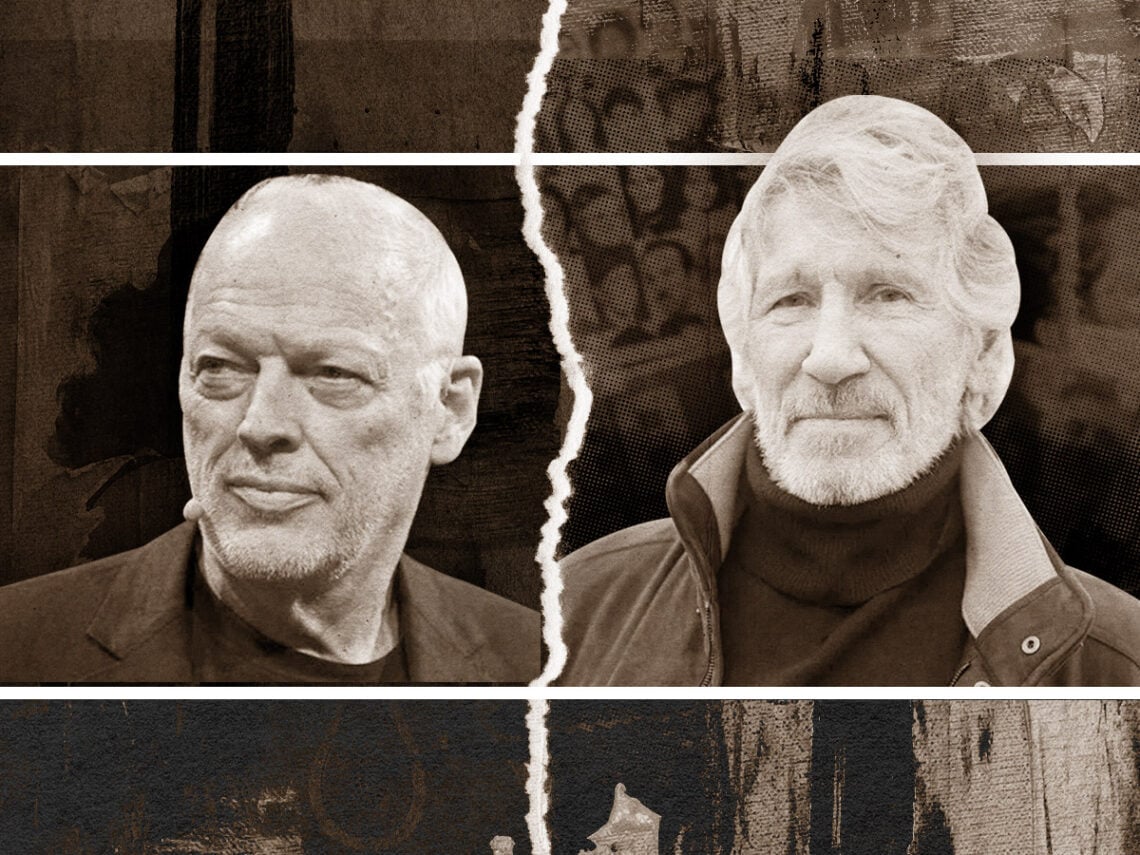
“Playing my piece”: The shows Roger Waters never forgave David Gilmour for

For most musicians, there are certain lines that no one should ever have to cross with their bandmates. Whether that’s a Fleetwood Mac situation of becoming romantically involved with each other or getting unprofessional and smack-talking each other’s songs, one of the best ways of dealing with band dynamics is to try to be cordial when it comes to everyone else’s ideas. Although the bridges of Pink Floyd have been burned a few times over, Roger Waters seemed to treat some of his former bandmates’ work as an overt slap in the face.
Then again, Waters was far from the sole owner of the band like he claimed to be back in the day. He certainly was responsible for bringing a lot of abstract themes into their music, but even if he claimed to have made a lot of their lyrical masterpieces on albums like Dark Side of the Moon, the reason why that album works years later is also thanks to David Gilmour’s fantastic guitar work and the keyboard flourishes from Richard Wright.
In fact, Waters is probably responsible for the band’s fallout the minute he decided to have too much control. Dark Side of the Moon was already a breakout success, but ever since that record until The Final Cut, Waters seemed more concerned with fulfilling his vision for an album than hearing what anyone else wanted to add to the concept. If The Final Cut was the last straw, The Wall was the one that broke the camel’s back for his bandmates.
There were still many fantastic moments in the rock opera that deserve a spot next to the band’s best work, but many other moments strike the listener as too difficult to stomach when Waters begins talking about the horrors of society. Although Waters did manage to secure the rights to the stage show when he left, Gilmour wasn’t going to ignore the massive hits that came from the album when playing live.
Even if they didn’t serve the story in a greatest-hits style setlist, most people would have felt cheated if they went to a Pink Floyd show and didn’t hear songs like ‘Comfortably Numb’ or ‘Young Lust’. But for Waters, his entire mentality was about making bold experiments, and seeing them play his songs live was the equivalent of his musical children being taken away from him.
Despite taking his own version of The Wall on the road, Waters drew a line in the sand when asked about inviting Gilmour to play at his infamous show in Berlin, saying, “I absolutely acknowledge that some of the work involved in The Wall is Dave’s. But the fact that he cares as little as he does for the feelings that are in the piece, I think, makes it impossible for me to invite him to be there. He has been out in stadiums playing my piece, in exact opposition to my emotions and ideas and philosophies, for his own profit. And I can’t forgive him for that.”
Still, hearing them in a different context might help people appreciate the song differently. Most casual rock and roll fans might be scared off by a massive concept album, but hearing live versions of the tune off of records like Pulse is a great way for people to dive into their back catalogue once they have core tunes under their belt.
Even if Gilmour tried putting a new take on Waters’s vision for The Wall, hearing those songs out of context doesn’t hurt the integrity of the core album. Everyone can still have personal connections with the album that they loved as a kid, but hearing Gilmour and Guy Pratt going back and forth on ‘Run Like Hell’ doesn’t damage the tune in the slightest.
