


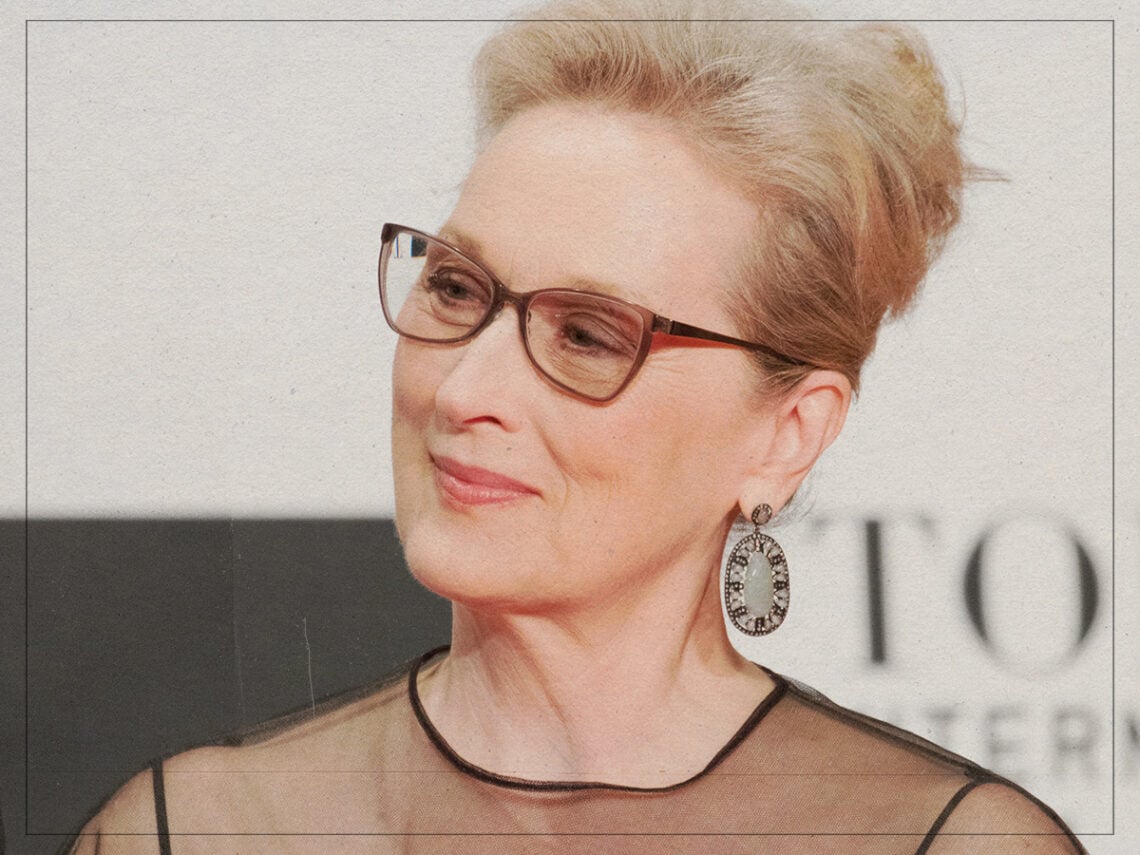
The sad reason Meryl Streep compared herself to Bette Davis: “Nothing has changed”

The global sweep of The Substance sparked many conversations about our cultural obsession with ageing and beauty, with Demi Moore’s knockout performance leading to discussions about her experiences in Hollywood and the competition that exists between women in the public eye.
Through Coralie Fargeat’s explosive take on the body horror, with moments that are designed to both shock and entertain, the director creates a commentary on the ridiculousness of the violence we inflict on our bodies to conform to oppressive standards, mocking our perception of ageing and the horrors of being left behind.
However, while Fargeat creates a fresh take on the subject through the film’s setting and genius casting of former Hollywood heavyweights like Demi Moore and Dennis Quaid, it also open up many more questions that require us to delve into the complex history of the ‘hag’ and portrayal of middle-aged women, something that Meryl Streep has been vocal about through her career.
As a woman in the film industry, Streep has battled against the limiting beauty standards and expectations for women her entire career, with one of her early experiences sticking out after being told she was ‘too ugly’ for a role. Despite being one of the most talented actors of all time, she has continually battled against ridiculous patriarchal standards that have deemed her too old for certain characters while her male counterparts are given the freedom to play whatever they want.
This was particularly apparent to Streep after working on Bridges of Madison County and initially being told that as a 45-year-old woman, she was too old to play a 45-year-old woman. Meanwhile, Clint Eastwood was playing a 50-year-old man as a 65-year-old.
The actor described her frustration at this, saying, “The studio told Clint to get a younger co-star. Clint finally had to say he’d direct the movie himself so he could have the person he wanted in the part. Things have changed for women in other professions, but nothing has changed in Hollywood. Look at Bette Davis. When she made All About Eve (in 1950), which was pretty much her swan song for leading roles, she was 41. When she made Hush … Hush, Sweet Charlotte [in 1964], she was [five] years older than I am now. She had to make these scary movies because Hollywood perceived her as an old, old lady. So we’ve always tossed women away. We’re terrified of older women. It’s a very deep subject.”
In The Substance, we are presented with images of an old woman’s body that are accompanied by horror-style music and sound effects, with the sight of Moore’s veiny ankles and sagging skin being painted as something grotesque and comical. Perhaps the world has not changed at all since Streep made this statement, with the sight of ageing women still being perceived as something disgusting, with many still struggling to find the same kinds of roles that men in Hollywood are given until the very end of their careers.
Brad Pitt and Tom Cruise are still playing action heroes in their sixties, but the same opportunities are not quite there yet for the women. While things are certainly changing as these conversations enter the mainstream discourse, it would seem that the playing field is not yet even, and stories like The Substance highlight our current discomfort with this and the progress that is yet to be made.
