


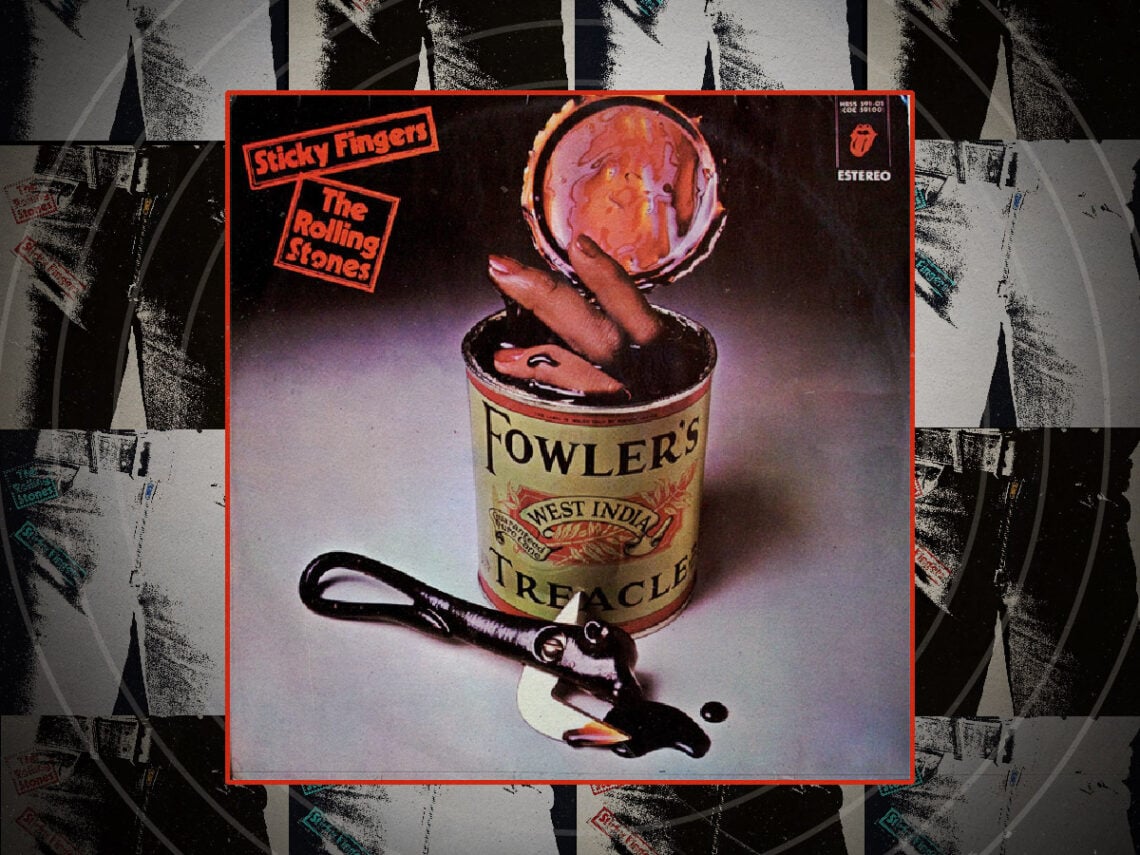
Fascism, treacle, and The Rolling Stones: The strange tale of ‘Sticky Fingers’ alternate album cover

Album covers have the potential to be just as powerful an art form as the music enclosed within them. The Rolling Stones are aware of that fact more than most bands, having amassed some of the most iconic record sleeves in rock history, and producing a design for 1971’s Sticky Fingers that was so apparently outrageous that it faced authoritarian censorship.
Mick Jagger and his band of hedonistic heroes were, by the time the 1970s rolled around, no strangers to either outrage or censorship. Society was, after all, still relatively conservative back in the 1960s, and the suits of the music industry were wary – to say the least – about this new generation of long-haired rock and rollers building a reputation for destructive lifestyles and a rejection of rules.
Back in 1968, for instance, the endless wisdom of Decca Records rejected the band’s proposed album cover for Beggars Banquet, because it featured a photograph of a toilet. Although the band’s relationship with the label that once rejected The Beatles had already deteriorated by that point, they ended up encountering similar problems when it came to Sticky Fingers.
Conjured up by the deliberately subversive mind of New York’s pop art master, Andy Warhol, the cover features a close-up of a man’s crotch, with original copies featuring a working zipper on the front of the uncredited model’s jeans. Not that you needed that description, of course, because the album cover is among the most instantly recognisable, utterly iconic sleeves to ever go to print; typifying the shocking excitement of The Rolling Stones during that particularly golden period in their existence.
While Decca may very well have baulked at the idea of having a man’s crotch on the cover of an album, The Rolling Stones were on their own label by the time Sticky Fingers rolled around, and that meant that they could pretty much do whatever they wished. So, the jean cover was to be the definitive cover of the album, pressed everywhere from Venezuela to West Germany. Everywhere, in fact, apart from Spain.
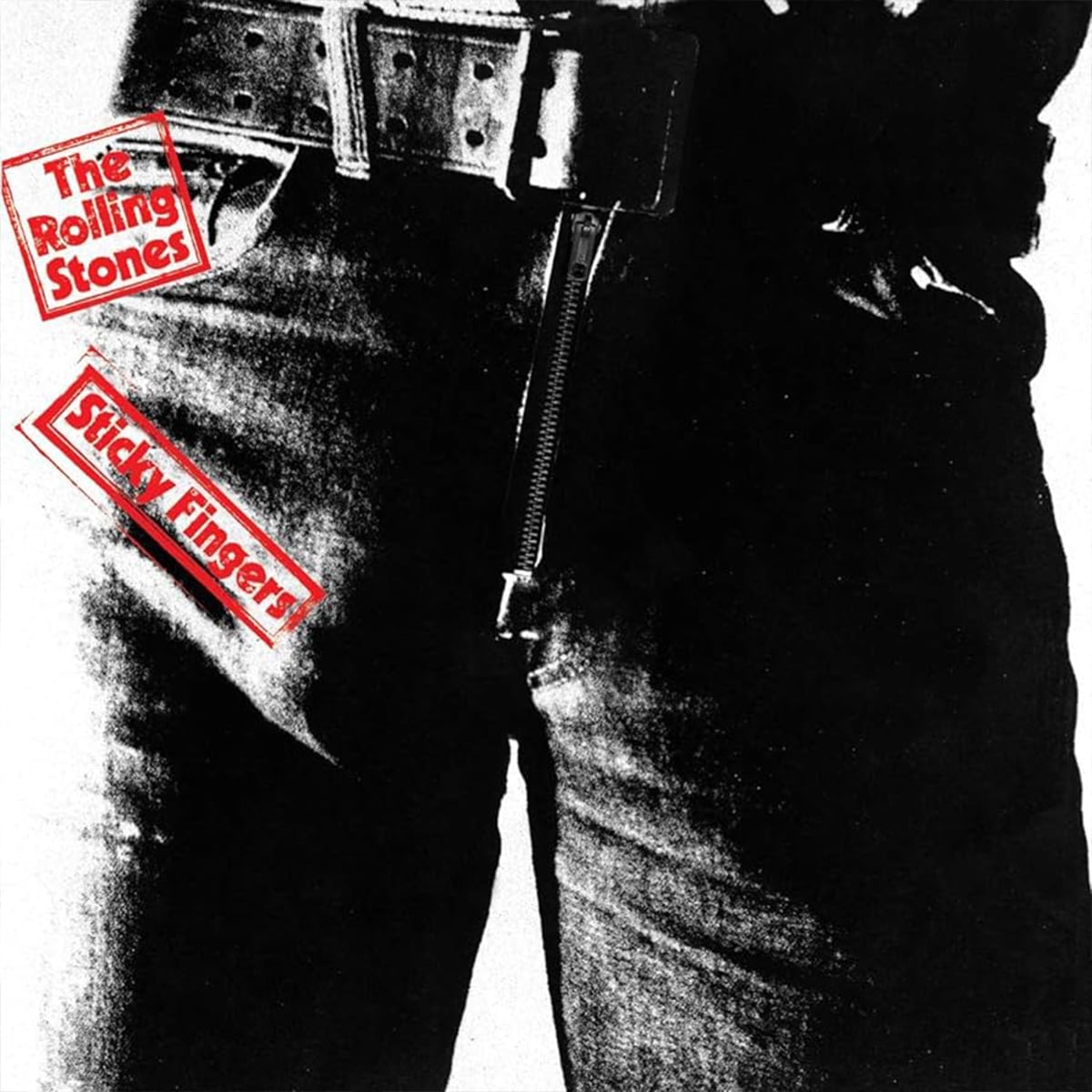
Then, still under the reign of fascist dictator Francisco Franco, all cultural imports into Francoist Spain were subject to censorship, and that inevitably included rock and roll records. Although Franco – particularly in his old age and failing health – could never have prevented The Rolling Stones from being heard in Spain at all, he could at least veto the crotch-centric cover of Sticky Fingers.
Instead of Warhol’s masterpiece cover, then, the Spanish pressing of that 1971 album featured a bizarre, Spinal Tap-esque artwork of a lady’s dismembered hands emerging from a can of Fowler’s West Indian Treacle. Seemingly, body horror wasn’t quite as shocking to those living under the Francoist regime as the sight of a man’s jeans might have been.
Aside from a few bootleg copies of Sticky Fingers, including one unofficial USSR release that simply switched the gender of the jean-wearer and added a hammer and sickle to the belt buckle, the Spanish pressing was the only official copy of the album not to feature Warhol’s iconic album cover.
What’s more, the regime objected to one of the album’s stand-out tracks, ‘Sister Morphine’, which was cut from the tracklisting in favour of a live performance of the Chuck Berry song ‘Let It Rock’.
Not only did the album lose the power of its sleeve, then, but also the coherence of its tracklisting, since the retro-styled cover occupied the same space as ‘Sister Morphine’ was intended to, between ‘I Got The Blues’ and ‘Dead Flowers’. Talk about a change of pace.
By the time the album came to be reissued in Spain in 1979, years after the death of Franco, the original cover was reinstated, but that strange, all-too-literal replacement cover remains one of the strangest chapters of The Rolling Stones during a period in which countless strange occurrences seemed to attach themselves to the band.
