


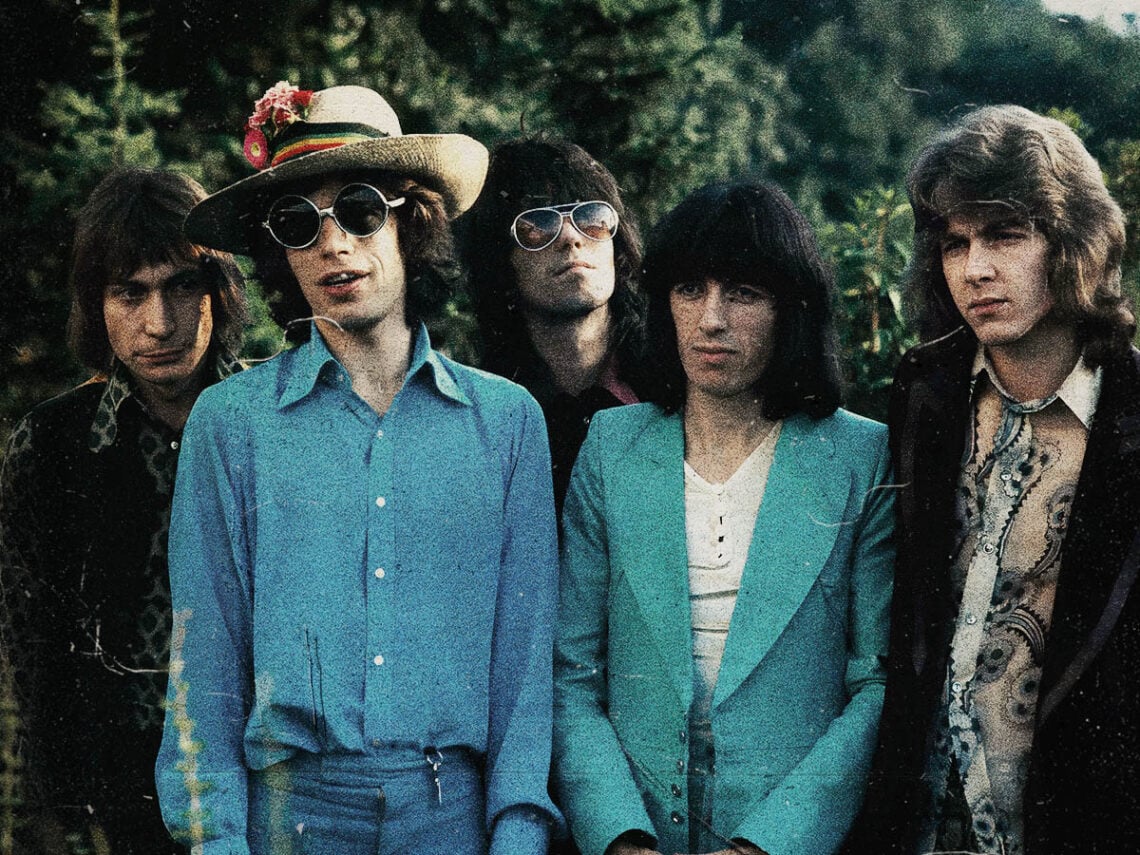
‘You Can’t Always Get What You Want’: The Rolling Stones’ greatest B-side

Following their underrated but uneven psychedelic dabble on 1967’s Their Satanic Majesties Request, The Rolling Stones entered the zenith of their lauded rock mythology. Leading the British Invasion just behind their comrades-come-rivals The Beatles, The Stones grew from an earnest R&B and blues outfit cutting their teeth at London’s Ealing Club to international stars of the 1960s counterculture, inspiring a generation of American kids to pick up the guitar after witnessing their dazzling turn on The Ed Sullivan Show.
This breathless pace was matched by a dizzying stream of singles, averaging around eight a year and most were not even featured on the original Decca LPs as issued in the UK.
Yet, unlike their Fab Four peers, The Stones had never been quite an ‘albums’ band. While important documents of their evolving creative noses beyond Americana’s musical roots, each of their LPs stand in the shadows of their knockout singles around them, ‘Paint It, Black’ illustrating Aftermath‘s exotic decadence or ‘Ruby Tuesday’ exemplifying Between the Buttons‘ baroque fancies better than any of the respective album cuts.
This changed in 1968. Just as psychedelia was waning and the rock vanguard was returning to rootsier departures away from lysergic excesses, The Stones finally embraced a foil that suited them best.
Beginning their first fruitful collaboration with producer Jimmy Miller, Beggar’s Banquet, Let It Bleed, Sticky Fingers, and Exile on Main St all scored the band at its apex. They spent four years as the undisputed kings of rock ‘n roll and carved a place for themselves in America’s musical tapestry along with Jimi Hendrix and Janis Joplin—despite frontman Mick Jagger and rhythm guitarist Keith Richards hailing from Kent’s Dartford.
Firing on all cylinders, The Stones dropped the stand-alone single ‘Honky Tonk Women’ in July 1969, inspired by the Brazilian caipiras girls Jagger and Richards encountered during a stay in São Paulo’s Matão area. Shooting to the top of the charts worldwide, its B-side would prove to eclipse their UK and American number one as an enduring canonical feature in all future live sets, given the A-side treatment when released as an official single in April 1973.
Heard four months before its feature as Let It Bleed‘s closing finale, ‘You Can’t Always Get What You Want’ was the album sessions’ first cut at London’s Olympic Sound Studios. Allegedly inspired by ‘Hey Jude‘s inventive orchestral flourishes, the London Bach Choir was roped in to provide its angelic tones, lifting the piece to a level of divine humanism they’d never explore again. The choir enjoyed a greater presence on the LP version with its extended introduction, which would crop up here and there as a memorable feature of their live shows.
‘You Can’t Always Get What You Want’ also taught the late Charlie Watts a thing or two about drumming after Miller jumped behind the kit for its recording sessions. “He wasn’t a great drummer, but he was great at playing drums on records, which is a completely different thing,” he confessed in 2003. “Jimmy actually made me stop and think again about the way I played drums in the studio and I became a much better drummer in the studio thanks to him.”
