



The risky 1972 Genesis song Steve Hackett never thought would work: “We weren’t The Beatles”

Whenever a band takes a real risk – sonically, aesthetically, or otherwise – there’s always the worry that they’ll fall flat on their face, and existing fans will leave, wondering what the hell they were doing there in the first place. Genesis, like many of their peers, experienced these types of anxieties multiple times.
It’s only natural that the rise to the top will inevitably come before a slight dip (or a plummet in some cases), and often, this happens when an artist changes direction or does so in a way that struggles to engage people or even make sense. Sometimes, the payoff is worthwhile, but when it’s not, it can lead to losing a significant chunk of a fanbase or, worse, complete career suicide.
However, when it works, it works. The Beatles, for instance, took several risks during their reign, many of which received mixed reviews at the time, or at the very least had people confused about why they were ditching their cutesy, simplistic sounds and progressions for a more complex foray into technological innovation.
But when you revisit records like Revolver and Sgt Pepper’s Lonely Hearts Club Band now, it’s hard to understand why some might not have understood or appreciated them at the time, mainly because they’re so indisputably revolutionary, but also because they’re still so important to the landscape of current music that it’s hard to imagine ever not seeing them for what they are.
The thing about Sgt Pepper isn’t just that they were doing something they hadn’t before (or anyone else, for that matter), it was that it was so out of pocket in terms of the broader landscape that anyone looking in would’ve probably put a good chunk of money on the whole thing tanking. After all, a concept album wasn’t exactly a tried and true commercial strategy at that time, and without anything else to compare it to, it really didn’t look like it’d do well, much less withstand the test of time.
But alas, ambition paved the way for greatness, and the record ended up setting a new standard for artistic expression, one that proved the value in pushing boundaries and following whichever threads of creative thought presented themselves at any given time. The Beatles weren’t concerned about selling out just to remain relevant; they genuinely wanted to make something special that rivalled the likes of other legendary artists and released, like their own personal favourite, Pet Sounds.
In 1972, Genesis went through a similar thing during the making of Foxtrot, less in terms of whether it would be a commercial success and more about the concerns of people not really getting what they were trying to achieve. As Steve Hackett explained to Louder when asked if people were confused or exhilarated, “All of those things. Don’t forget, we weren’t The Beatles.”

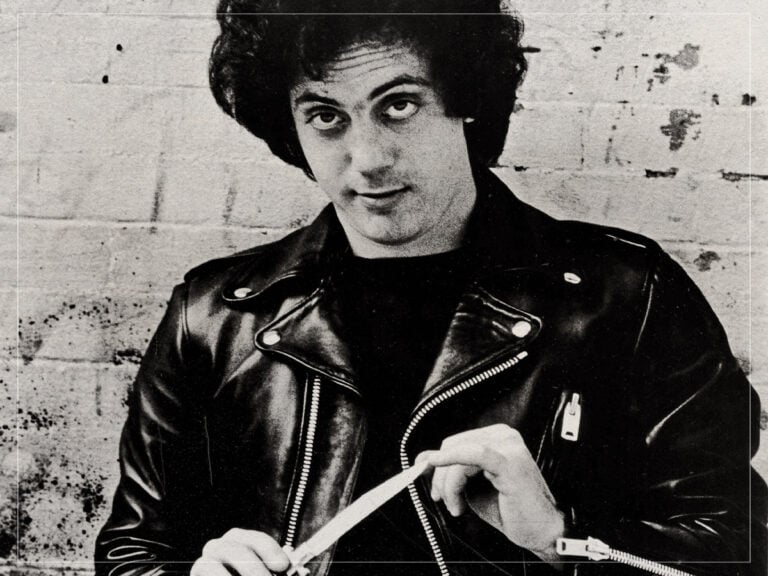

Comparing their situation to the general atmosphere during Sgt Pepper, he said that the Fab Four were worried “they’d gone too far” and would receive a “thumbs-down” from their loyal crowd. During Foxtrot, Hackett claimed that Genesis were in a “similar position”, and that they felt they’d pushed things pretty far with ‘Supper’s Ready’, which was “labyrinthine with layers”, and they had no idea whether it’d gain a positive response or not.
The response was, as they probably predicted, uncertain at first. However, as with most controversial releases in history, it has since become one of prog-rock’s most important albums, signalling a turning point in the genre that pushed for excellence in ways that’d never been explored before. ‘Supper’s Ready’, in particular, is one that people keep coming back to, proving that taking the risk was worth it for something that remained not only timeless but significant to the development of the rock landscape as a whole.
