


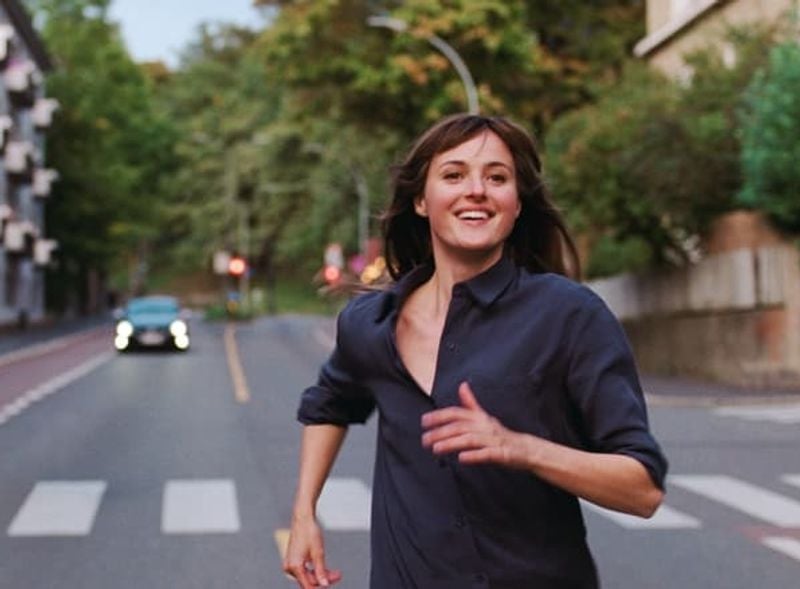
The real-life thought that inspired the light switch scene in ‘The Worst Person in the World’

Joachim Trier took the world by storm with his soaring portrait of twenties chaos and self-discovery in his 2021 film The Worst Person in the World. The film chronicles the journey of Julie, a woman in search of herself as she comes across a fork in the road in her life, looking for clarity and meaning amidst the mess of adult life. Many of Trier’s films are tinged with the kind of vulnerability that can only come from real-life experiences, and in the case of The Worst Person in the World, one scene in particular was directly inspired by a dilemma that the director faced in his relationship.
The Worst Person in the World can be described as an odyssey through the mistakes and conundrums we find ourselves faced with in our twenties; should I take this job? Is this person a good friend? Am I making a mistake by dating this person? And when faced with so many loaded questions, it’s only natural that our minds wander and think about what could be – if we slightly altered the course of one day or decision, how it would affect the rest of our lives? In Julie’s case, there is one specific scene that realises this fantasy, all shown through the simple flipping of a switch.
Towards the midpoint of the film, Julie is going through the inner turmoil of figuring out whether or not to stay in her relationship, feeling stifled by its safety and her growing inability to assert her independence. And in the middle of a conversation with her partner, she begins to reimagine her life by flipping a light switch that freezes time, allowing her to explore the unspoken possibilities that exist just outside of her reach.
The following sequence is full with longing and joy for a life that could be – one in which Julie runs through a frozen city and revels in the endlessness of each moment, reconnecting with the potential of every day.
But what spurs Julie’s light-switch moment is her search for the man that she bumped into at a house party, sharing one magical night with a stranger only to never see him again. And it was this feeling that inspired Trier, wanting to capture the feeling of being settled in a relationship, but knowing that there’s one person your mind keeps wandering to, haunted by an eternal ‘what if?”
In an interview, the director said, “I always liked this notion that you could be very literal in film sometimes. I don’t know if you’ve ever been in this situation where you’re with someone that you love but you also see that someone else in the world exists that you might find interesting. And the idea that time is not on your side because you wish you could freeze everything and leave your life and live in an alternate universe for a moment. And I think it’s a very romantic fantasy. And I wanted to just do that literally and create that sequence”.
This fantasy is explored through the light-switch sequence, with Julie reuniting with Eivind in allowing the two of them to indulge in one day together, exploring what their love might look like if it were to be fully realised. It’s a glorious moment that captures the infinite nature of our own lives, faced with millions of different paths and being simultaneously overwhelmed and moved by all the choices you could make.
Despite the ups and downs of Julie’s journey as she discovers what she truly wants from life, it all just becomes another story to tell at the end of the day – and isn’t that really what life is all about?
