


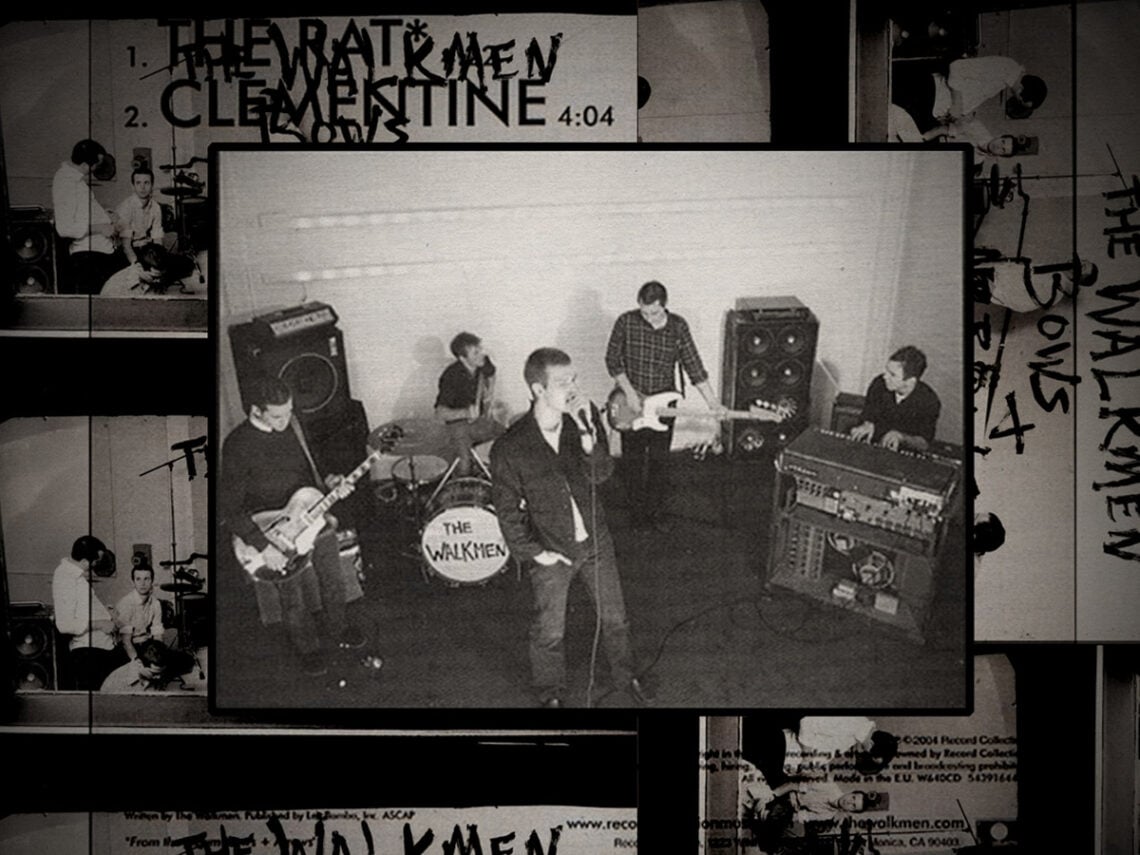
‘The Rat’: Why does The Walkmen’s masterpiece take you back to 2004 quicker than a time machine?

The jagged and spiky guitar interplay, the relentlessly busy drum fills that punctuate every line, the impassioned and desperate wails of Hamilton Leithauser’s vocals: there’s a lot of elements to The Walkmen’s 2004 breakout single ‘The Rat’ that contribute towards its placement as not just one of the best songs of the decade’s post-punk revival and indie rock boom, but one of the best songs of the 2000s full stop.
In fact, there’s a decent portion of people who would go one further than this suggestion and proclaim that ‘The Rat’ is one of the greatest songs ever written, and while I’m not here to argue with their taste and opinion, there’s a more curious phenomenon to explore in relation to its devoted cohort of praise-givers. While it might mean little to some listeners aside from the fact that it’s a tour de force of a track, for others, it functions as a time machine that zaps the listener right the way back to 2004.
Now, we’ve all found ourselves falling victim to the clutches of nostalgia in some respect, and while there’s no issue with indulging in such a trip down memory lane, ‘The Rat’ isn’t capable of serving as the Delorean that’s going to transport you back 22 years. In truth, it’s only going to be able to work that way for a miniscule subsection of the population, but those people are largely going to have one thing in common.
Having been born in 1995, I’m what anthropologists might call a millennial, albeit one born in one of the last eligible years to fit into this demographic cohort. I remember the September 11th attacks with a reasonable degree of clarity, and am old enough to have shown a keen interest in the original wave of Pokémon as it became a global phenomenon. This makes me millennial enough by society’s estimation, and yet, it doesn’t mean that I have the same feelings about ‘The Rat’.
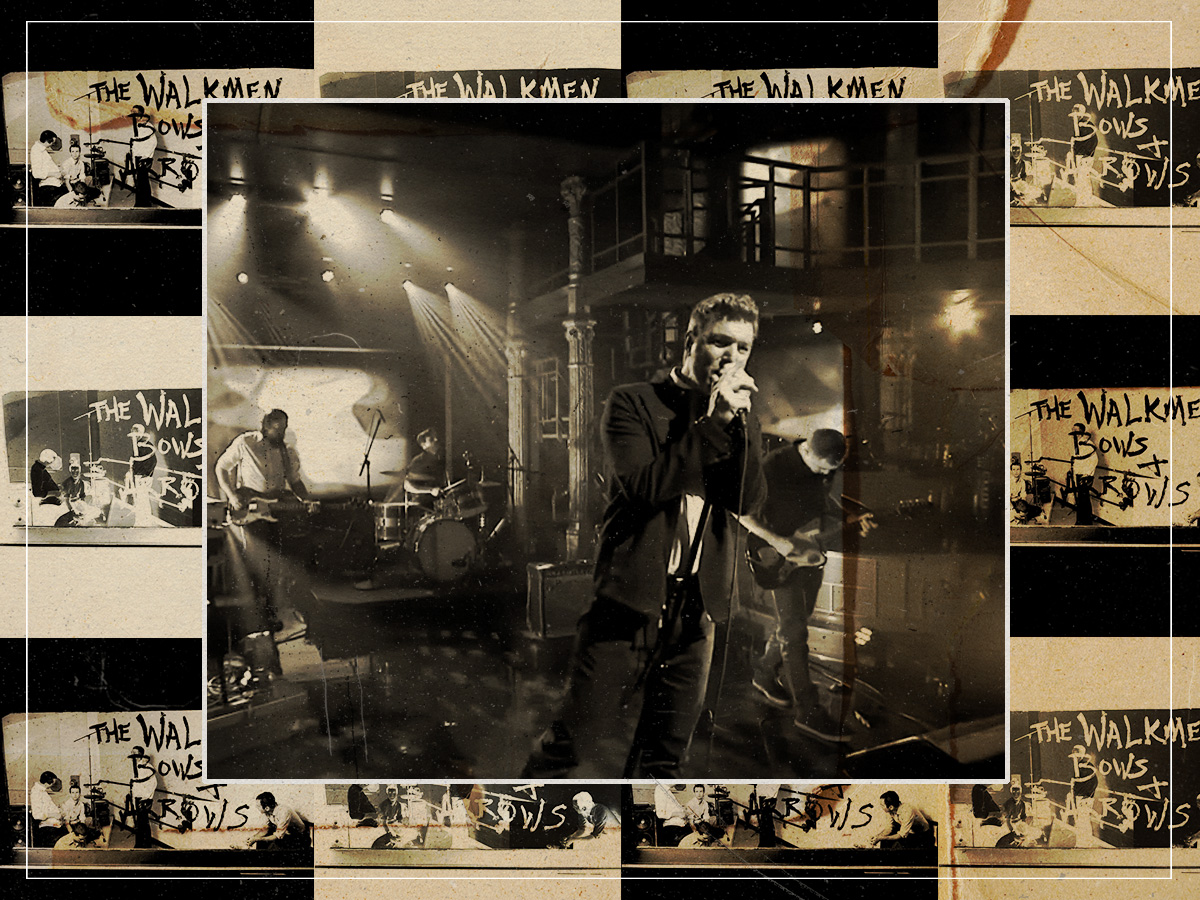
For example, it doesn’t do the trick for me in the same way. I was into music at this time, but I wasn’t deeply invested in all of the permutations of the New York indie scene beyond the surface-level successes of The Strokes and Interpol. I was nine years old, so can you blame me for not having been aware of The Walkmen at this time of my life?
Even though this arbitrary generational grouping supposedly covers the years 1981 to 1996, not everyone within this cohort is going to have the same memories, nor are they going to be able to recount certain events with the same degree of vivid detail. Those born in the later years of the millennial bracket, such as myself, don’t seem to have the same affinity for ‘The Rat’ as those born slightly earlier, but at the same time, nor do those from the opening years of the period.
‘The Rat’, it would appear, is the ultimate indie rock anthem for people of a very narrow age range, but again, why is that the case? Despite not having the same ubiquity as say, The Strokes’ ‘Last Nite’ or Franz Ferdinand’s ‘Take Me Out’, both staples of the era that still seem to have a widespread fandom among younger generations, it marks a very specific point in a musical movement’s trajectory, essentially laying down a marker for where it arguably peaked and subsequently came crashing down.
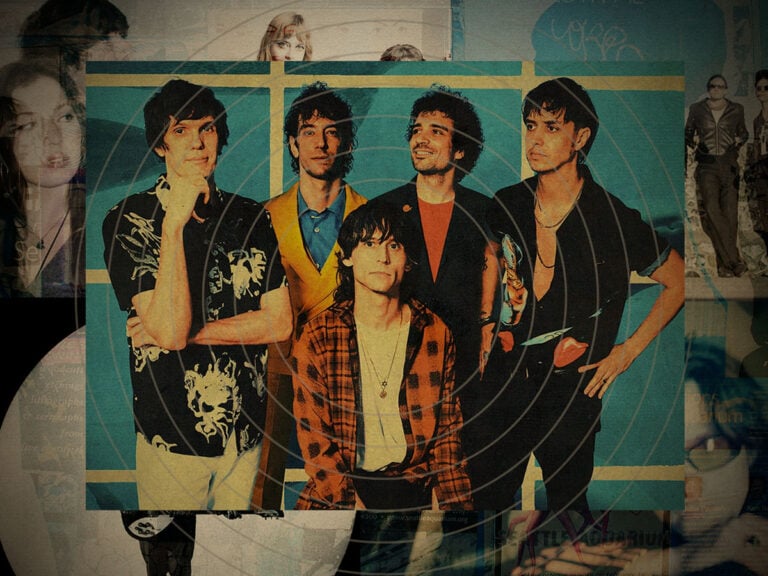

What so many bands from this era had been doing was paying an obvious homage to their heroes from the past, and while the adoration of punk legends of the 1970s is something that was prevalent both before and after the release of ‘The Rat’, it was the song that arguably set a precedent for how well this could be done by bands of this era, and was consequently a height never reached again.
After ‘The Rat’, indie rock didn’t cease with its relentless output, but said output started to be of a much shoddier quality, hence the unfortunate moniker of ‘indie landfill’ being applied to those who experienced their breakthrough in the latter half of the 2000s despite lacking the same grit or panache that the artists from the movement’s peak had. Indie rock’s flirtation with post-punk virtually ended here in 2004, and opened an avenue for dancier acts like The Rapture and LCD Soundsystem to act as the tastemakers for a few years.
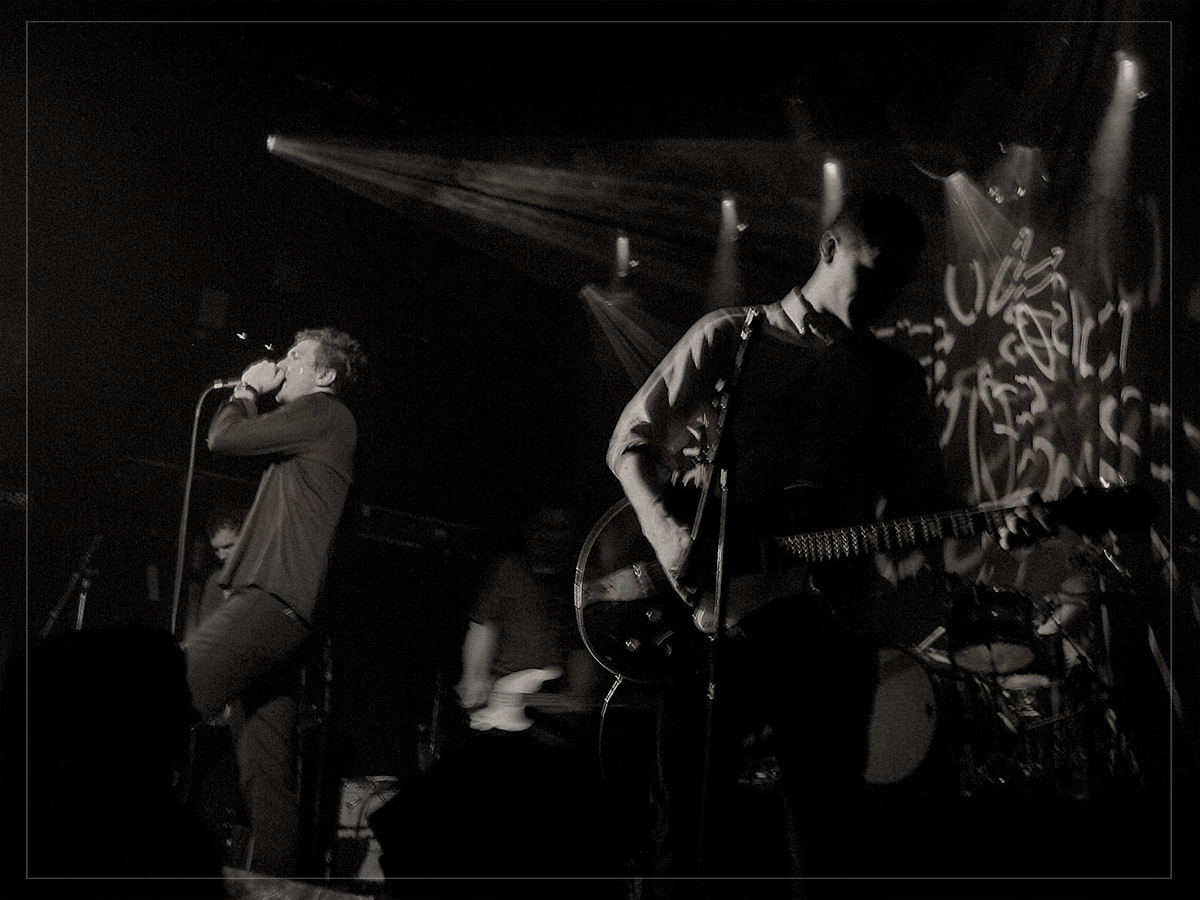
With that, we have a little bit of a clearer perspective on why ‘The Rat’ is such an important source of nostalgia for a certain age group. If you were of secondary school to university age upon its release, that is to say, born roughly between the years of 1984 and 1993, and were of an indie rock persuasion in your tastes, then what ‘The Rat’ represents is the last hurrah of the indie rock and post-punk revival of the early 2000s; a song with such an indelible impact upon listeners who recall it being released, and who still pine for that period of their life to return to them.
Industry prognosticators may well have known that this swell in the popularity of indie rock around this time was due to run its course around this time, but your average listener wasn’t to know that ‘The Rat’ would be the last truly great song of its kind. What it evokes to this group, to some degree, a complete encapsulation of everything that had come to inform their taste during their adolescence.
While the YouTube comments section is rarely seen as a place where constructive criticism or nuanced discourse can thrive, scrolling through the testimonies from revellers who have landed upon the video for ‘The Rat’ provides a delightful treasure trove of snapshots from people’s lives as they reminisce about hearing the song for the first time, how it takes them back to 2004, and most importantly, how it’s comfortably one of the greatest songs of all time.
Of course, the unifying thing about many of them is that they’re being posted by people who are seemingly between the ages of 32 and 42. It’s not just a time machine, but a time capsule, and playing it to anyone from this age group is going to conjure up all sorts. Play it in a care home in 50 years’ time, and it’ll light up many a stony-faced pensioner.
‘The Rat’ might not mean something to everyone, but to those it matters to, it’s perhaps more important than anything else.
