


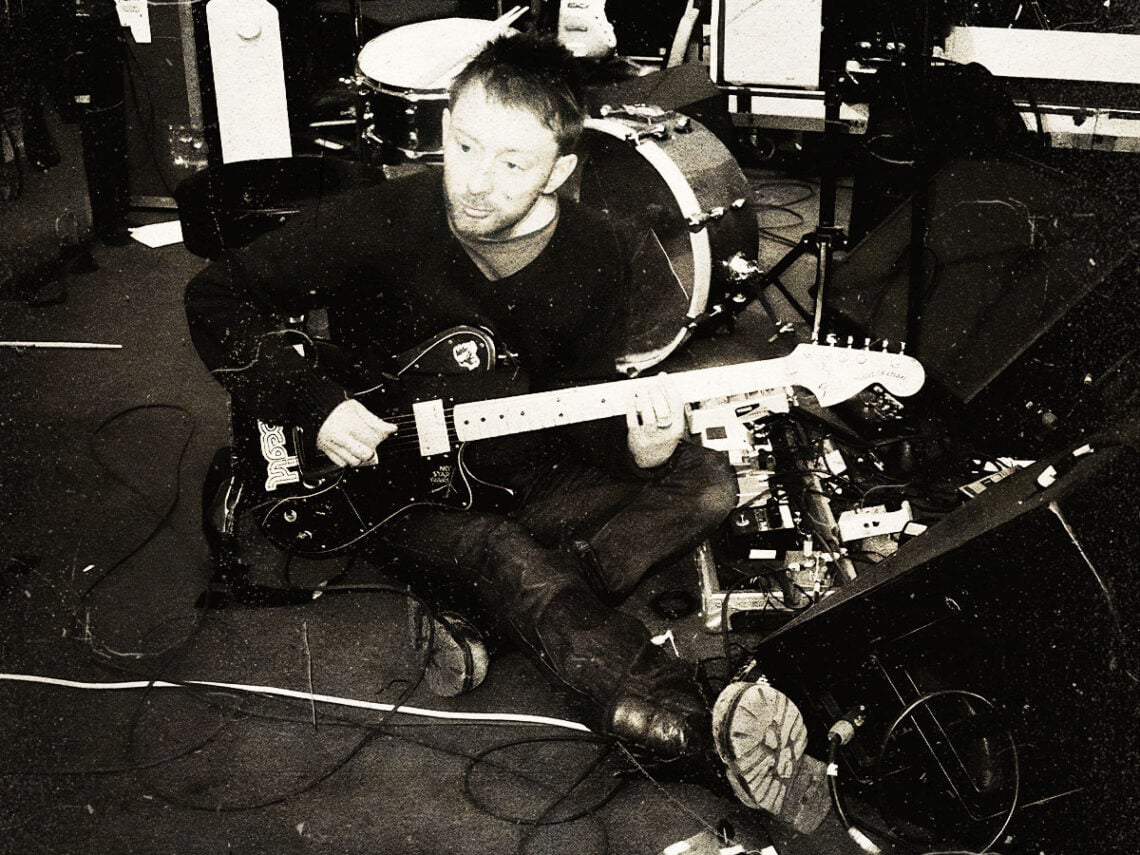
The Radiohead album that Thom Yorke wrote for fans: “To be ambitious again”

While they may be considered one of the best bands to come out of Britain, Radiohead was something of a forgotten child in the 1990s.
Largely because of Britpop’s booming popularity, the nuance of the Oxford band fell somewhat deafly on the ears of the public who were otherwise consumed with a bona fide brand of rock and roll. Because there was no mystery over what Oasis was as an outfit, a straightforward rock band delivering anthemic hits a dozen at a time and in the vitality of this new cultural era, that’s all they wanted.
The state of play was different for Radiohead. ‘Creep’ was perhaps the only song you could label as straightforward or anthemic, and even that was pushing it. Their music was instead focused on carving out a little textural niche for themselves, and ultimately created an artistic environment that allowed them to be adaptable in between records. Alternative rock, art rock and even hints of jazz snuggled under the Radiohead umbrella and so made them the more nuanced band of the modern British era.
But as is ever the case with the band’s leader, Thom Yorke, it didn’t take long for him to become bored with his own brand. The very complexity that made them so beloved and a perfect antidote to the bliss ignorance of Britpop was what exhausted him, and so he looked to the source of all musical inspiration as a need to change Radiohead’s sound.
“In all of this, I was influenced by the simplicity of The Beatles,” he said, outlining how they helped him out of a rut. “I’ve moved several times and travelled often, and their albums are the only ones left out of the boxes. In general, I’ve stopped listening to music, massively; I don’t buy records anymore. Listening to Lennon and McCartney’s songs made me think; their music is very direct, but also ambitious.”
This claim came in 2003, when the band were coming off the back of a triumphant run of albums that any musician worth their salt would have wanted to replicate. But instead, it resulted in an album that marked a new era for Yorke and Radiohead.
He continued, “These qualities had an effect on my attitude when working on Hail to the Thief. It’s not that we wanted to remake The Beatles, but to be ambitious again. I didn’t give a damn about Kid A and Amnesiac, whether anyone listened to them or not; I didn’t care what people thought. This time it’s different. We want Hail… to be heard.”

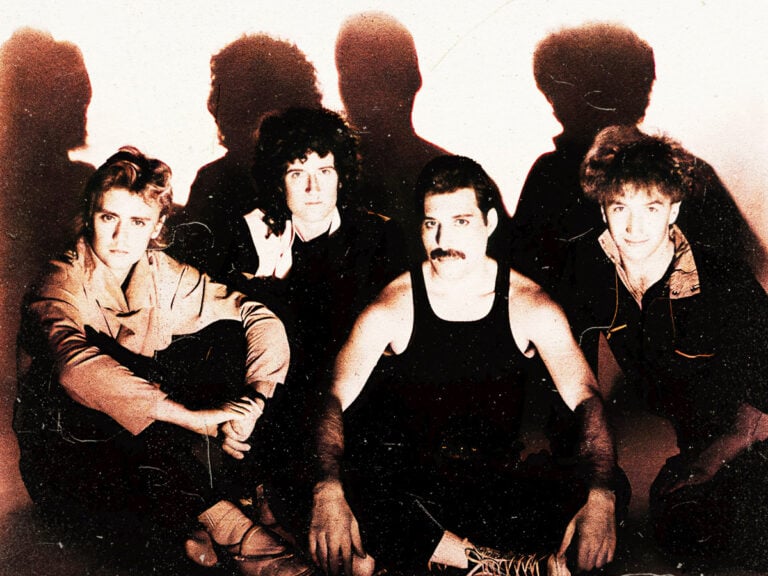

Ultimately, though, Yorke’s view of his album and The Beatles’ influence on it highlights the very paradox that made Radiohead the band they were. He saw the simplicity in their ambitious musical attempts that no one, certainly not Oasis, could see, and so mistook the entire idea of simplicity.
A rudimentary accessible song was more in the feeling it evoked for Yorke, rather than a simple verse-chorus-verse structure, and so despite his attempts, he continued on making an album of intricacy with Hail to the Thief and only cemented his reputation as a masterful but intricate musician, even further.

Never Miss A Beat
The Far Out Beatles Newsletter
All the latest stories about The Beatles from the independent voice of culture.
Straight to your inbox.