


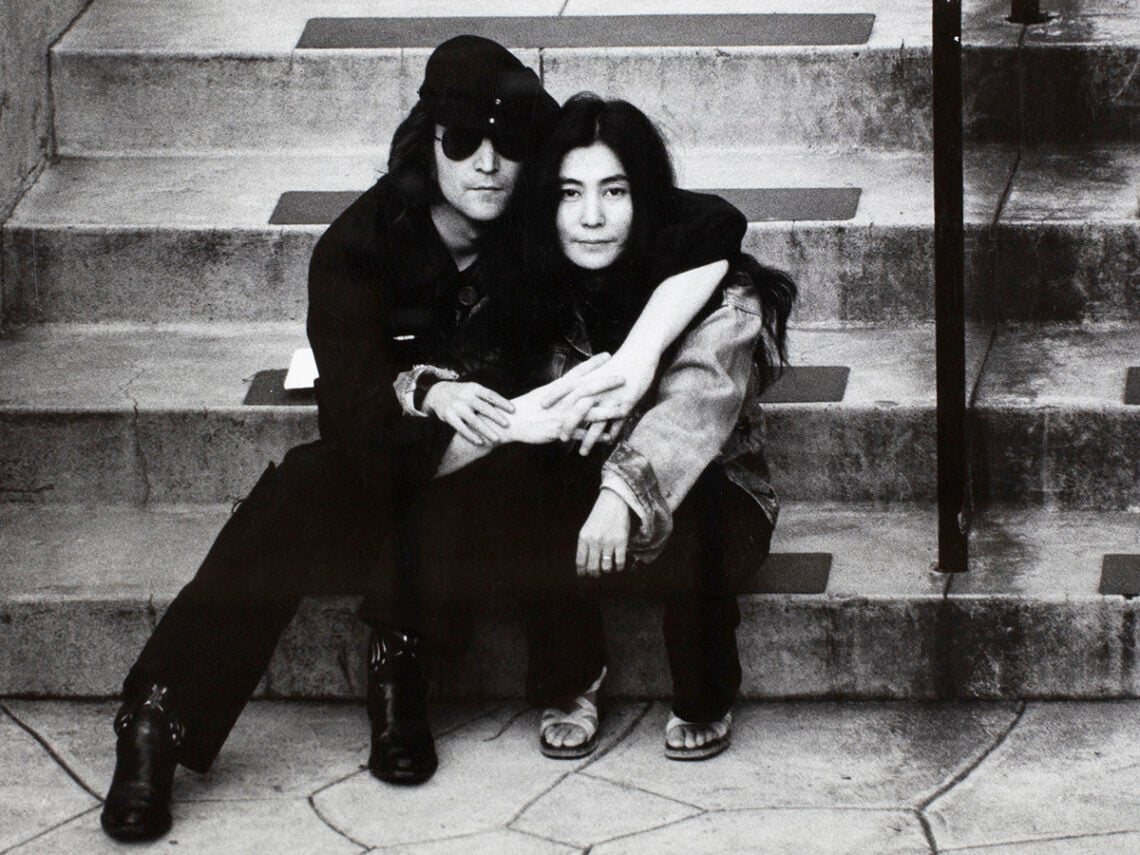
The punk classic John Lennon thought sounded “just like Yoko’s music”

When The Beatles broke the hearts of many and announced their split in 1970, it wasn’t long before John Lennon was already back in the studio with his new wife, Japanese artist Yoko Ono, recording what would eventually become their debut collaborative album John Lennon/Plastic Ono Band. While his former bandmates Paul McCartney, George Harrison, and Ringo Starr continued to create the pop-friendly chart-topping hits that made up so much of their existing discography, it was predictably Lennon, a noted individualist and iconoclast, who went in a different direction with Ono by his side as he did.
Though it was initially met with a mixed critical response, it grew in reputation to become lauded as a classic in the discography of both Lennon and Ono, a redemptive arc not dissimilar to the one punk music would have within a few short years. Specifically, a track like the lead single ‘Mother’ was an intensely raw piece of music, and its influence can still be felt today with bands like Idles.
Yep, sorry haters, but Ono was totally punk rock. Years before ‘God Save the Queen’ was banned from radio stations in the UK, ‘The Ballad of John and Yoko’ received the same treatment for what were also deemed to be incendiary and inappropriate lyrics.
Whether it was staging publicity stunt protests, engaging in passionate social commentary, or scaring the hell out of Chuck Berry, Ono was a maverick and a defiant personality who shared so many of the traits that would define punk rock as it smashed its way through the glass ceiling and entered the homes of boisterous teens the world over. Both on stage and in her personal life (though we may not have seen much of it, as both Ono and Lennon became surprisingly reclusive in subsequent years), Ono seemed capable of representing as many of the same values as Johnny Rotten or Sid Vicious, even if people are hesitant to bestow that comparison upon her.
So, it should come as no surprise that before the end of the decade, and shortly before Lennon’s devastating death, he too saw the similarities and shared the punk rock classic that reminded him so much of his wife’s music and ferocious artistic expression in an interview with Rolling Stone magazine in a conversation about some of his favourite songs.
Explaining, “I was at a dance club one night in Bermuda. Upstairs, they were playing disco, and downstairs, I suddenly heard ‘Rock Lobster’ by The B-52s for the first time. Do you know it? It sounds like Yoko’s music.”
On their debut album, the self-titled LP released in 1979, The B-52s combined shrill and shambolic vocals reminiscent of either a battlecry or a banshee, along with both odd and abstract lyricism and a creative mismatch of abrasive sounds and textures for what has become an underrated classic of both dance-rock and post-punk. Whether it was intentional or not, the group caught Lennon’s attention, and some clear comparisons to Ono became more obvious the more you thought about it.
Though her reputation is polarising among music fans, there’s no denying that Ono played a crucial, if understated, role in the growth and popularity of the type of music and, more importantly, the fiercely independent attitude that would come to define so much of the punk rock explosion of the 1970s. It’s a consideration that deserves respect from even the most myopic critics of Ono and her unique character.
