


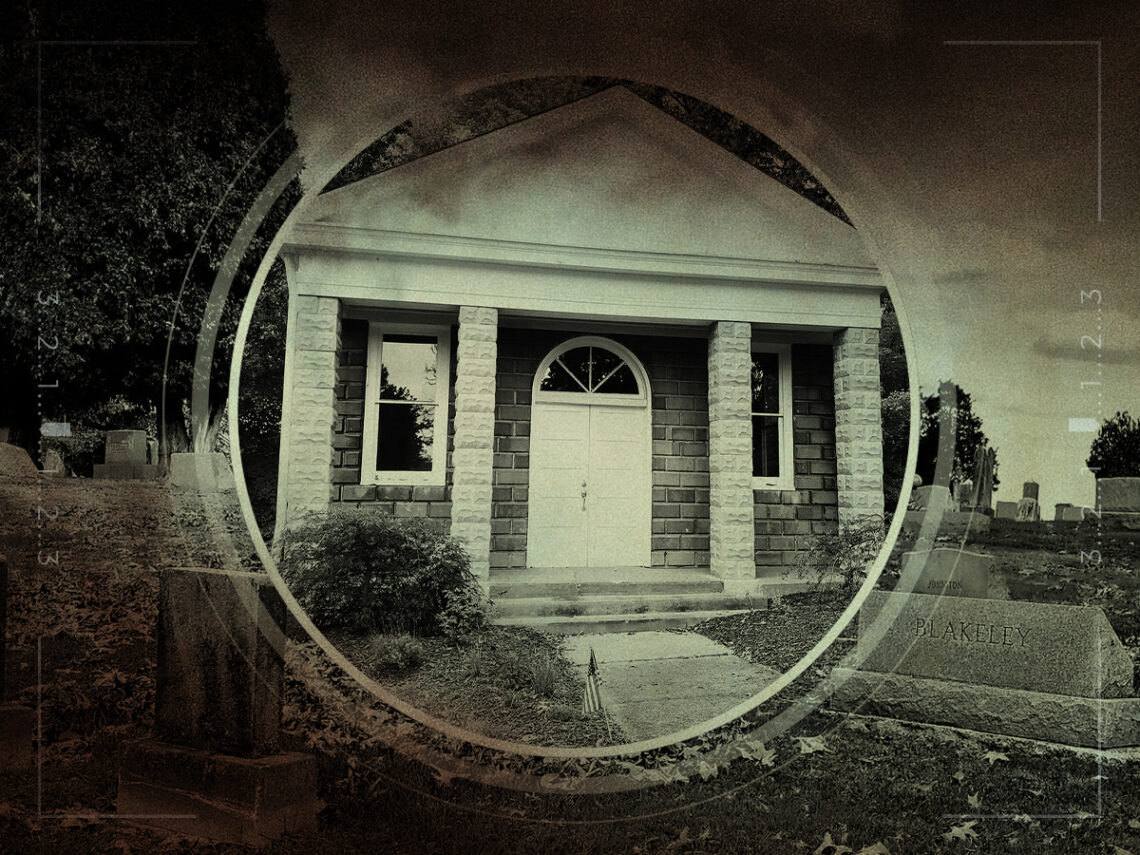
The Pennsylvania cemetery that became a pilgrimage site for horror fans

It’s not that there weren’t any horror movies before 1968. Of course there were. As long as films have existed, people’s fascination with fear and the macabre has found its way onto the screen through vampires, monsters, murder and evil. But before the mid-1960s, those kinds of scares rarely found their way to places like Pennsylvania.
If you look at a list of the most famous horror films from earlier decades, a pattern emerges. Movies like Frankenstein or Dracula in the 1930s, or even Bluebeard in the 1950s, kept their scares at a distance. They were classic tales set in dusty castles, far-off lands and literary worlds of evil. Because they came from old books and distant settings, there was a sense of safety, as though those horrors could easily be placed back on the page and kept far from everyday life.
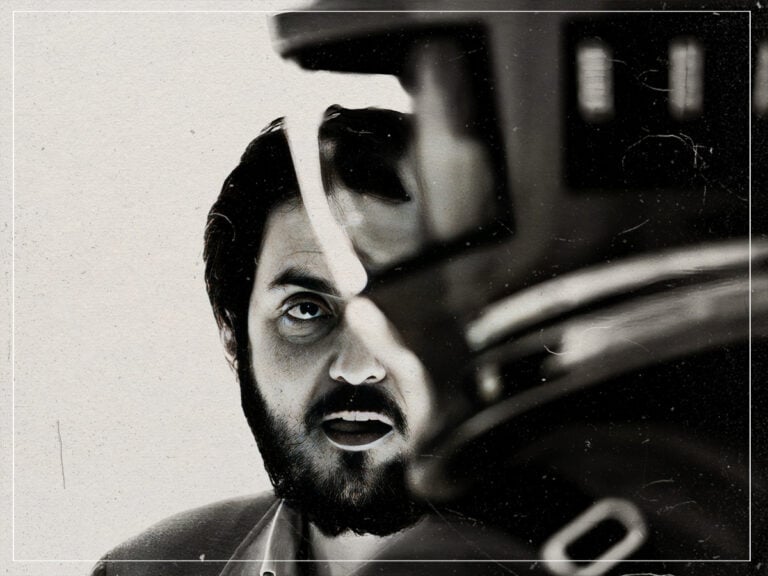
However, by the mid-60s, as cinema was evolving to become more experimental and forward-thinking, thanks to the era where counterculture was king, the ideas moved away from safe playing plots. That’s exactly what made Night of the Living Dead so iconic and so shocking. It’s not just impressive that the independently made movie from George A Romero hit the big time, but it’s impressive that it did that while also completely shaking up the then-stale horror genre, moving it into the modern age.
On the surface, this is a zombie movie, but without this one, there wouldn’t be any others. Romero’s flick was the first to show zombies as we now know them, depicting them as reanimated corpses out to eat flesh. Without them, there would be no 28 Days Later or The Walking Dead.
But mostly, the power of Night of the Living Dead lies less in its actual monsters and more in the fact that they represent something, or are in the context of their time.
Set in Evans City Cemetery in Pennsylvania, the film starts with siblings Barbra and Johnny laying flowers on their father’s grave. The action begins here as Johnny is killed by zombies, sending Barbra on a mission to survive, where she meets Ben, a Black man.
Ben’s race feels essential, for the film was set in a rural area and was released when the fight for civil rights was still ongoing, with segregation legally ending in 1964, but the de facto change was a different story. Black people, especially in non-urban areas, were still treated poorly, so while Romero cast Ben as the hero in this tale, outsmarting the zombies, the film’s power lay partially in its ending and the fact that it refused to ignore the social and political context it was made within.

All that together, paired with the fact that this film is set in your average small town, putting the frights right on people’s doorstep, meant that the movie ushered in a new era of horror movies, leading to more flicks where politics was just as essential to the fear as actual monsters were.
For fans of the genres, Evans City Cemetery then became an essential pilgrimage. Heading there to recreate the iconic “They’re coming to get you, Barbra” scene, the graveyard has even put up markers to show which graves feature in the film. So essential to the film’s legacy, Romero even helped raise money in 2011 to ensure the cemetery’s chapel would remain open, both for the community it serves in Pennsylvania and for fans of horror everywhere.
