


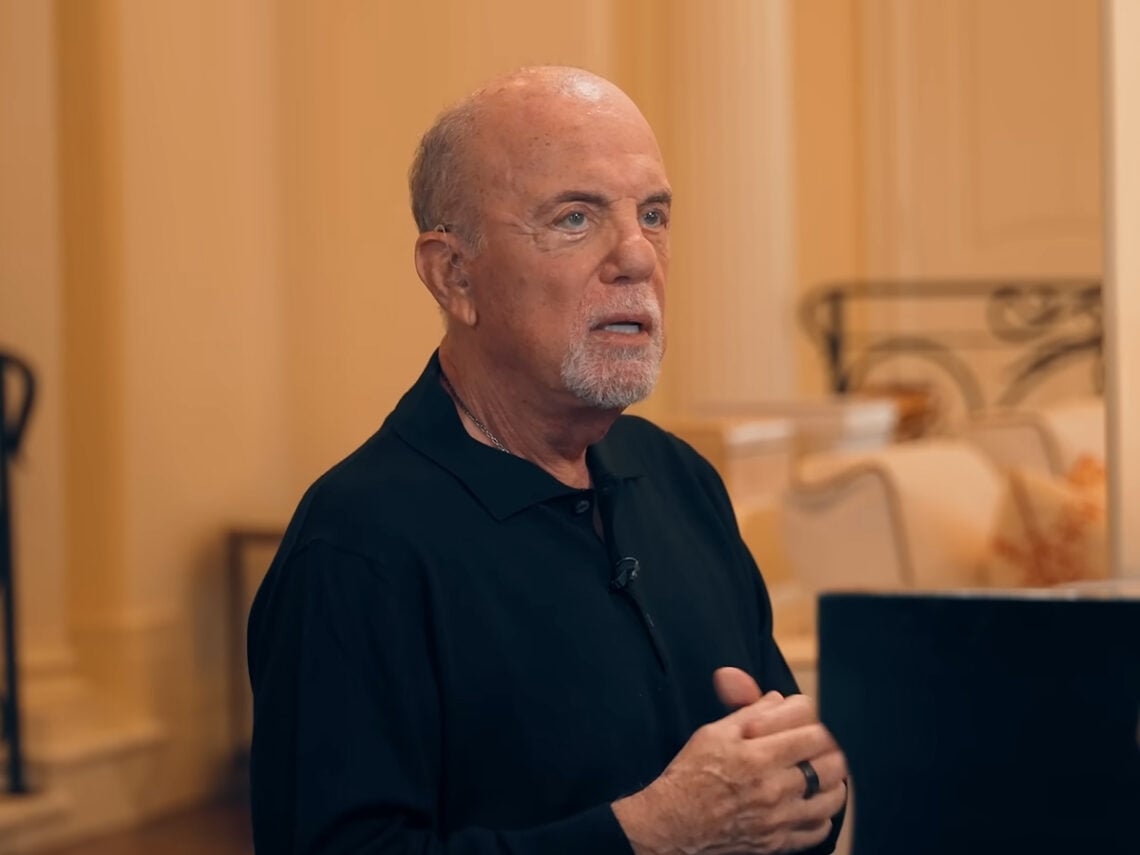
The only artist Billy Joel has ever attempted to emulate: “I am inspired”

Ever heard of The Hassles or Attila? Unless you’re the kind of Billy Joel completist who can recite the tenth track of River of Dreams by heart, probably not.
The Hassles and Attila were, in fact, the two very short‑lived bands Joel passed through after dropping out of high school to chase a music career, before signing with Family Productions and launching his solo life with Cold Spring Harbour in 1971. And even in those early years, Joel never quite suited the trappings of being in a band, but there was one he still admired above all others.
When, in a 1982 Playboy interview, Joel was asked about the idea of stepping back and hanging up his hat, his response was disarmingly calm: “My time will come just like everybody’s. It’s a natural progression. I’m not so hung up on being number one and staying on top that it’s going to drive me crazy. If I’m not number one, it doesn’t mean I’m at the bottom.”
It’s classic Joel: pragmatic, unbothered and allergic to the myth that pop stardom must be defended until old age like a fortress. But then Playboy pushed further, asking whether he’d deliberately chased the new wave boom with Glass Houses, echoing critics who accused him of imitating Elvis Costello. Joel didn’t flinch, stating, “I like Elvis Costello, but I have never tried to duplicate anyone. If I consciously try to emulate anybody, it’s The Beatles […] I am inspired by performers, but I don’t try to copy people”.
This is perfectly exemplified in his track ‘Scenes from an Italian Restaurant’, which he began piecing together as he was sitting one night at the Fontana di Trevi restaurant across from Carnegie Hall, when a waiter floated over to him and said, “Bottle of white, bottle of red, perhaps a bottle of rosé instead?” Joel immediately heard a melody in it, but one scrap of a line alone doesn’t make a song. He needed a structure, a way to stitch these little vignettes into something whole, and that’s where The Beatles’ inspiration came in.
Despite criticising the White Album, Joel was obsessed with the Abbey Road B‑side, a 16‑minute continuous medley conceived by Paul McCartney and producer George Martin, which stitches together eight distinct, unfinished song fragments into a cohesive symphonic finale.
To Joel, it was a masterclass in collage: “George said, ‘What have you got?’ John said, ‘Well I got this’, and Paul said, ‘I got that’. They all sat around and went, ‘Hmm, we can put this together, and that’ll fit in there’. And that’s pretty much what I did.”


So, as he sat in that Italian restaurant, watching Carnegie Hall patrons filter in, from yuppie kids in cheaper seats, to posh opera‑goers grabbing dinner before the show, he realised his scraps could form a story, a mini, multi‑course little opera of his own. The waiter’s wine list became the overture, other half‑baked lines became character sketches, and the musical transitions became table‑to‑table movements under the same warm, ambient glow.
Joel admired plenty of artists, but The Beatles were the only band he ever consciously emulated. And the emphasis here really is on emulated, as the ‘Piano Man’ didn’t try to copy The Beatles’ sound nor their swagger, but their process, their ability to take the mess of life, the scraps, the jokes, the overheard lines, and turn them into masterpieces. And isn’t that the biggest compliment of them all?

Never Miss A Beat
The Far Out Beatles Newsletter
All the latest stories about The Beatles from the independent voice of culture.
Straight to your inbox.