


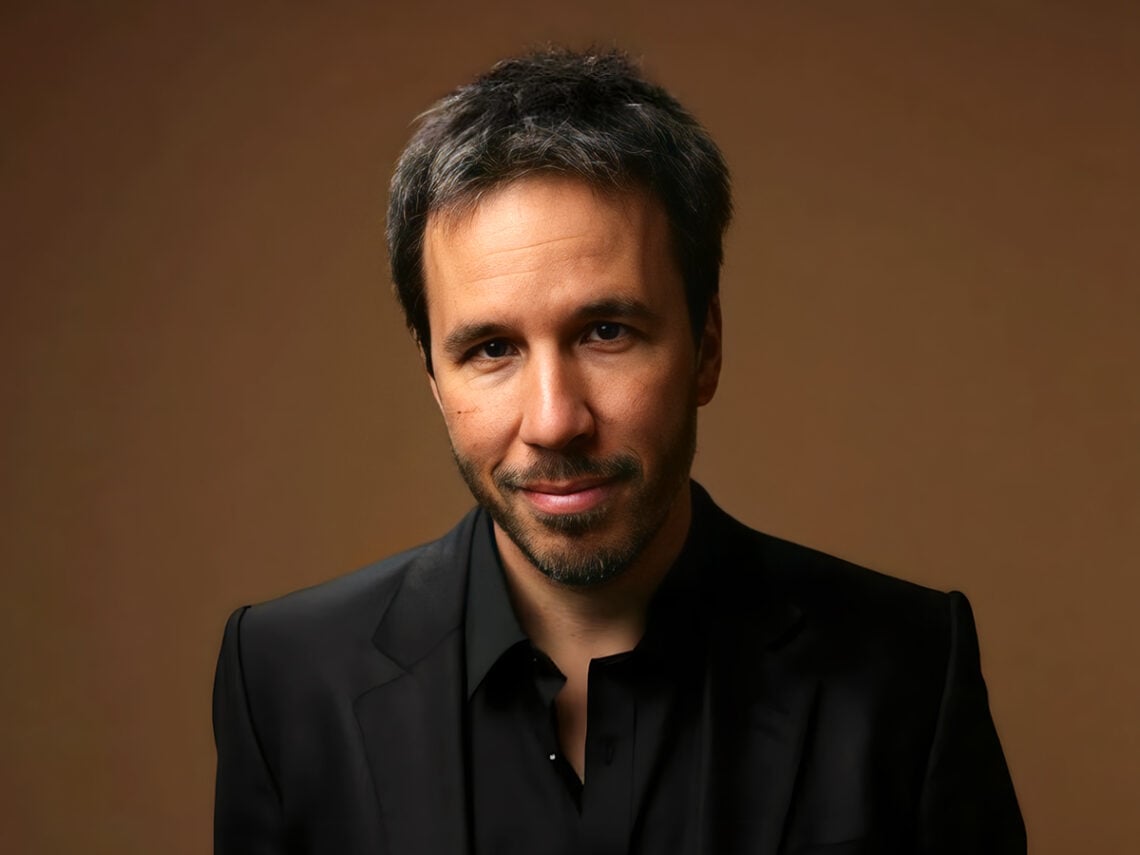
“I’m not interested”: The one thing Denis Villeneuve has always hated about cinema

While he’s acknowledged to be one of the greatest living directors, Denis Villeneuve holds some controversial views on aspects of the filmmaking process.
The film community is desperate to find another filmmaker who could inspire the same dedication and passion as Christopher Nolan does now, and the closest alternative might be Villeneuve, who, much like Nolan, built his career on smaller genre films before becoming a name brand in his own right, and someone who major A-listers have been desperate to work with.
He earned major critical accolades for his work on Enemy, Prisoners, and Sicario before Arrival earned him his first Academy Award nomination for ‘Best Director’, and he’s now graduated to franchise status thanks to his amazing work on Blade Runner 2049 and the Dune trilogy. While the visual style he has perfected has made all of his films feel totally singular, the director admitted that he had more mixed feelings when it comes to dialogue.
“Frankly, I hate dialogue,” Villeneuve said, “Dialogue is for theatre and television. I don’t remember movies because of a good line, I remember movies because of a strong image. I’m not interested in dialogue at all. Pure image and sound, that is the power of cinema, but it is something not obvious when you watch movies today. Movies have been corrupted by television.”
While his comment about hating dialogue may have been tongue-in-cheek, he does raise an interesting point about the capabilities of the visual experience.
Villeneuve’s films are all quite complex, but it’s because he allows the audience to put together his stories by analysing the imagery that they’re presented with, so a film like Sicario wouldn’t have been nearly as intense had Kate Mercer had the twist explained to her early on, and Blade Runner 2049 was much more haunting because of the minimal interactions between K and Deckard.
Moreover, he notably shot a sequence in Dune: Part Two that was in black-and-white, and felt like an homage to the silent era, and according to the director, this is something that he might want to try more of in the future, explaining, “In a perfect world I’d make a compelling movie that doesn’t feel like an experiment, but does not have a single word in it either. People would leave the cinema and say, ‘Wait, there was no dialogue?’ But they won’t feel the lack.”
While the notion of Villeneuve making a dialogue-free experimental film is certainly an exciting possibility, it won’t be his next project because he is currently working on the new James Bond film, which is the first to not be produced by the Broccoli family. There was always going to be high expectations for the next chapter in such a successful franchise, but his version will be the first to feature a new actor as Bond after Daniel Craig memorably exited the role in 2021 with No Time To Die.
Bond is a character who is known for his snarky one-liners and sharp quips, so the filmmaker’s fantasy of making a dialogue-free film may have to wait, but he also has the responsibility of ensuring that his new Bond film doesn’t feel derivative of any past entries in the saga, so reducing the dialogue might actually be a good way to make his sequel stand out.
