


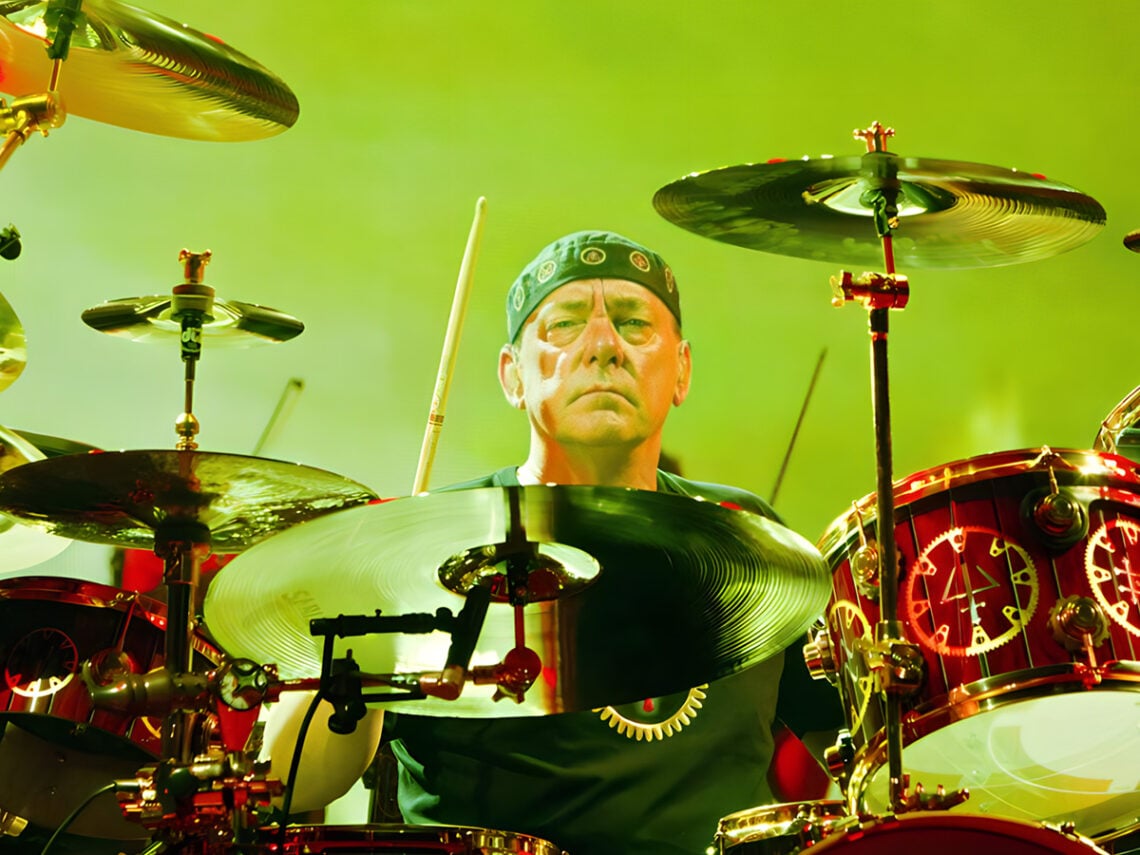
The one song Neil Peart called a perfect blend of genres: “I think that’s a masterpiece”

What makes a musician like Neil Peart a prog-rock genius?
It’s not necessarily through making the most complex music in the world or trying to stretch a song well past what you would think of for a typical rock and roll tune whenever it comes on the radio. No, being progressive is about trying to blend different influences under one roof, and Peart always knew when he was listening to a group that was truly testing the boundaries of what genres could do at every single opportunity.
Because, really, that’s what Rush was trying to do once they got Peart into the band. They could have kept on trucking and been one of the greatest boogie-rock bands this side of Humble Pie and Led Zeppelin, but when they started incorporating different influences into their sound, that’s when things got interesting. And for those fans that shun anything having to do with their synthesiser period, yes, that does include moments when the Casio keyboards are taking centre stage a little bit too often.
Say what you will about how those records are dated pieces of 1980s kitsch, but they are still phenomenal records for their time. Most other acts that had been around for as long as Rush had wouldn’t have thought to be this ahead of the curve with synths, and when listening to Grace Under Pressure, they somehow managed to bring a lot of soul to an instrument that was all about being cold and clinical every single time someone featured them on one of their records.
And when Peart reached the 1990s, he seemed to notice that the same thing was happening all over again. The biggest names in music had already dismantled hair-metal, and while nu-metal was there to take its place with bands like Korn and Limp Bizkit, Peart thought that a band like Linkin Park were doing something different in all the right ways when he first heard the songs off of Hybrid Theory.
Peart is probably the last guy that you would expect to be a fan of anything remotely related to hip-hop, but it’s not like you can’t see what he’s talking about when he merges different styles. Every member of Linkin Park wanted to bring something new to the table, and when listening to something like ‘In The End’, you’re hearing the pieces of everything from the early days of underground hip-hop to some of the most impassioned screams that anyone had laid down on record at that point.
It wasn’t to Peart’s taste, but he could at least see where it was coming from, saying, “It’s strange with modern music right now. As always, I find myself enjoying it. I listen to modern rock radio and like it, but it’s not very much drummers’ music right now. I love what’s developed between rock and rap, like that Linkin Park song ‘In The End.’ I think that’s a masterpiece of combining influences.”

And while everyone and their mother likes to talk about how ‘Crawling’ is one of the most unintentionally hilarious memes that this era ever spat out, there’s no denying that the rest of Hybrid Theory is the exact same way. No one would have thought to give the DJ their own scratch track during any other era, but the beauty of the late 1990s was that it was the golden age of letting every single genre converge on each other whenever someone found the right idea.
Not every one of those tunes might sound fresh today, but it’s not like Peart was ever going to condemn a band for trying something different. Rush has had more than their fair share of albums that turned out to be a terrible mistake, but being able to learn from those experiences is half the reason why it was able to become one of the best prog bands that the world had ever heard.
