


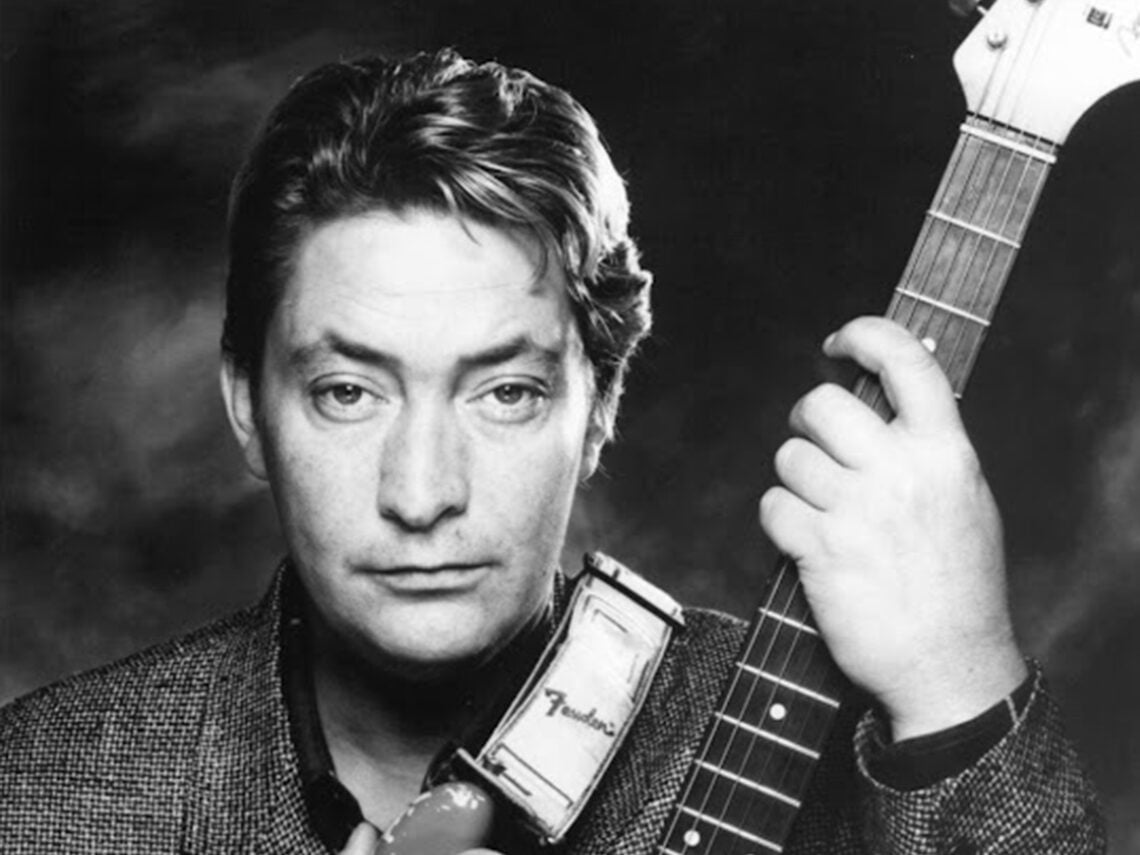
The one musician who inspired Chris Rea to become a singer: “It was him”

There’s a good chance no one was lining up to put Chris Rea in the same category as Freddie Mercury.
He never claimed to have the greatest voice in the world, but the minute that he opened his mouth to sing, it was more about hearing the person behind the voice rather than trying to compete with the X Factor wannabes of the world. The importance was feeling the humanity behind anyone’s voice, and that goes all the way back to the days before rock and roll even existed.
Because when you look at some of the biggest rock and roll stars, none of them were exactly showstopping voices, either. There were people like Little Richard who could blow everyone away with the power in his voice, but it’s nearly impossible to separate the volume from the song in his case, a lot of the time. It was more about the raw assault the music left on you, but there was also the flipside of that when listening to someone like Bob Dylan.
That nasally whine in Dylan’s voice was unlike anyone else out at the time, and while it took a bit of getting used to, it was endlessly captivating listening to him sing about the ongoing problems with the world. So when Rea came out with some of his classics, it was a lot easier for someone to take in Rea’s voice around the holiday season when singing ‘Driving Home for Christmas’ than listening to Elvis Presley singing ‘Blue Christmas’ for the thousandth time.
After all, half the reason why Rea sounded so good was because of that distinct gravel in his voice. It was rough around the edges in the best way possible, but whereas other rock stars focused on getting the raw power in their voice the same way that someone like Robert Plant did, it was much easier for Rea to find a home listening to the old bluesmen that he started with growing up.
The blues never differentiated between the clean and gritty voices, and sometimes the best artists were the ones who could sing their pain as rough as possible. BB King made you feel something inside the same way that Muddy Waters did, but whereas most guitarists were deadset on copying the likes of Robert Johnson, Rea was trying to follow in Charley Patton’s footsteps whenever he started making music.
He didn’t think he had a shot with his voice, but he figured that if someone like Patton could make it to the top with a voice like that, anything was possible, saying, “It was him. My God. I heard him accidentally, on me mam’s radio in her bedroom. It was just one of those unbelievable sliding-door moments. I heard this fella, and his voice sounded like my voice. I’d always thought, ‘Well, I could never be a singer with this horrible voice’. I hated it. Absolutely hated it. Still do. But he sounded like the same kind of thing.”
And as the rest of the world would come to find out, it didn’t exactly matter what anyone sounded like as long as they had a song in their heart. Everyone from Tom Waits to Johnny Cash wasn’t known for having the most versatile voices of their time, but when listening to them alongside Rea, it fits perfectly because you can actually believe every word they are singing.
A lot of other singers may rely on the flash behind every single song they play, but Rea figured out a long time ago that it was never about making the best vocal performance of all time. It was about being authentic whenever he got in front of a microphone, and were it not for the blues, we would have been robbed of an entire lifetime of brilliance.
