


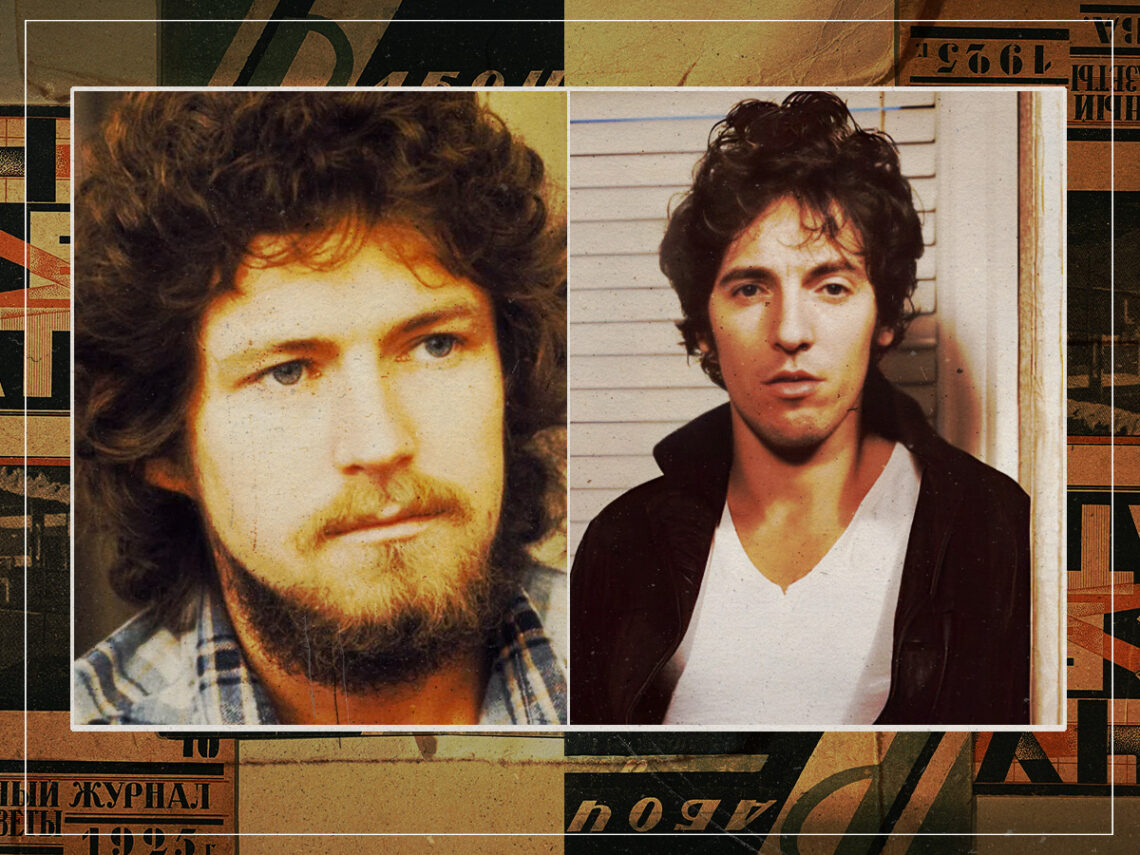
The one line that made Don Henley love Bruce Springsteen

If there was a measure of what American music should sound like, Bruce Springsteen could probably be the spokesman for the entire country. While he may rub some people the wrong way with politics from time to time, hearing him sing about the rough lives of working-class people and how there might be some hope for them to have a happy ever after by the end of their lives is what the American deam was built on when the country got started. The Eagles may have been a different type of Americana, but Don Henley turned himself into a Springsteen with just a few lines of text.
Then again, Don Henley was always one to listen for the lyrics first rather than the song. A melody may be the hardest thing to come by in the music industry, but the real measure of a good artist is whether it actually adds anything to the cultural conversation.
In that respect, though, Henley was never meant to be the most lyrical person in the world. He did have his inspirations from works of literature like Ralph Waldo Emerson, but there’s a good chance that not much lyrical work went into songs like ‘The Greeks Don’t Want No Freaks’ off the album The Long Run.
When Springsteen first emerged on the scene, Henley was a bit sceptical of what the heartland rocker had to say. After all, the American Dream seemed to be about the sunny side of California, and suddenly, here was this grizzly guy from Jersey singing songs about being born on the wrong side of the tracks.
Henley may have thought Springsteen was a bit too hyped, but fellow songwriting veteran Bob Seger introduced him to the E Street Band’s power when telling him about ‘Jungleland’, telling Louder, “Back then Henley was a little unsure about Bruce, and we’re friends. I said: “Well, listen to this line: ‘They’ll meet ’neath that giant Exxon sign that brings this fair city light”. And Henley said: ‘Okay, I’ll buy the album’, I tell him the one line, and he goes out and buys Born To Run”.
At the same time, anyone with a working pulse will have a hard time turning down a song like ‘Jungleland’. Sure, the actual runtime might be daunting at a staggering nine minutes long, but ‘The Boss’ earns every bit of that runtime by talking about the final stand of a kid wanting to get out of his nowhere town.
In just that one line, Springsteen puts the sight of a dingy gas station light on the same level as Shakespeare, almost like he’s painting a picture where the ordinary aspects of life can become extraordinary in the right hands. Although the story of the song doesn’t have the happiest of endings, Henley already knew he had to up his game a bit more.
When looking at his solo career and with the Eagles, Henley took pieces of Springsteen’s song format and put them in his own writing. He might not have been as specific as the Jersey rocker, but singing about people wasting their lives in their old haunts in songs like ‘The Sad Cafe’ seems a lot different than someone checking into a California hotel and never being able to get out.
No matter how much Henley tried to crib notes from Springsteen, there was only one person who could deliver ‘The Boss’s lyrics. Compared to other artists who seem to write universal songs that the world knows by heart, Springsteen is that rare breed of artist who can make a song feel as lived-in as a pair of working boots.
