


The one guitarist Brian May called “superhuman”

There will probably never be a guitar player as lyrical as Brian May.
Just like legends before him, such as George Harrison, May knew the role of the guitar as another piece of the melodic framework, using every one of his lead breaks to give fans the right amount of ear candy to push every Queen song forward. Although May has carved out his lane in rock and roll, he still thinks he can’t hold a candle to his greatest influences.
For all of the legendary licks he has made over the years, May started in the streets of England in the early 1970s, riding the coattails of the flower power movement. Although most acts like The Beatles had legendary guitar parts sprinkled throughout their songs, May was in awe the first time he saw Jimi Hendrix perform.
Donned in bright colours, Hendrix’s dress code was as vibrant as his music. Despite being known as a blues musician at heart, Hendrix touched on every type of music he could think of during his career, dipping his toes into psychedelic rock, jazz, and even traces of progressive music on the tail end of his double album Electric Ladyland.
When May heard that style of playing for the first time, he was thrown back, telling Guitar World, “Jimi is, of course, my number one. And I’ve always said that. To me, he’s still something superhuman. It’s like he did come from an alien planet, and I will never know quite how he did what he did.”
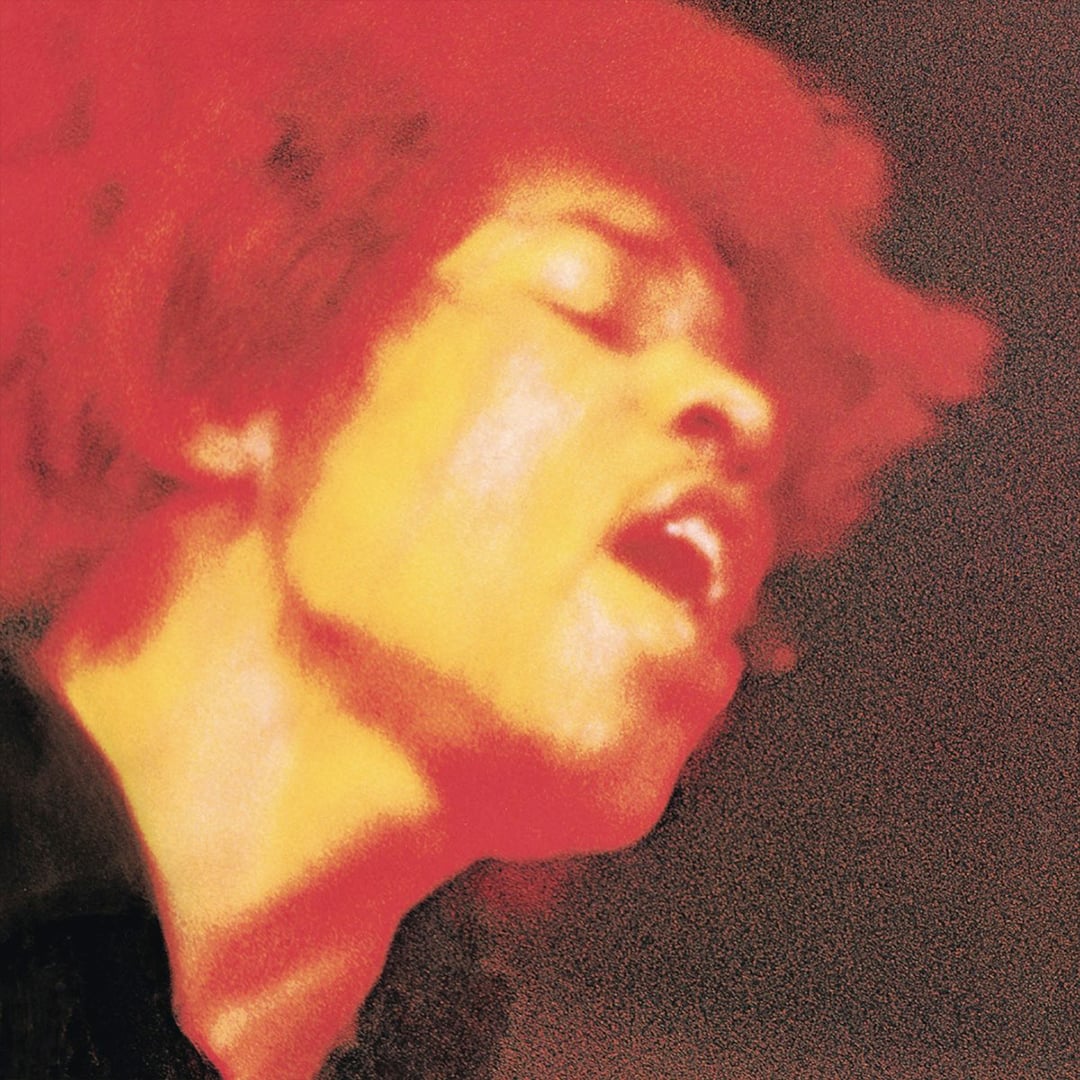
Hendrix was also acutely aware of that alien connotation as well. Throughout his discography with The Jimi Hendrix Experience, Hendrix sang about elements of the universe beyond most earthly possessions, like the strange bluesy dirge of ‘Third Stone From the Sun’ or the cosmic nature of the song ‘Little Wing’.
That sense of otherworldliness wasn’t just about image either; it was baked into the way Hendrix approached the guitar. He treated it less like an instrument and more like an extension of his own voice, bending notes and textures until they felt like they were speaking rather than simply being played.
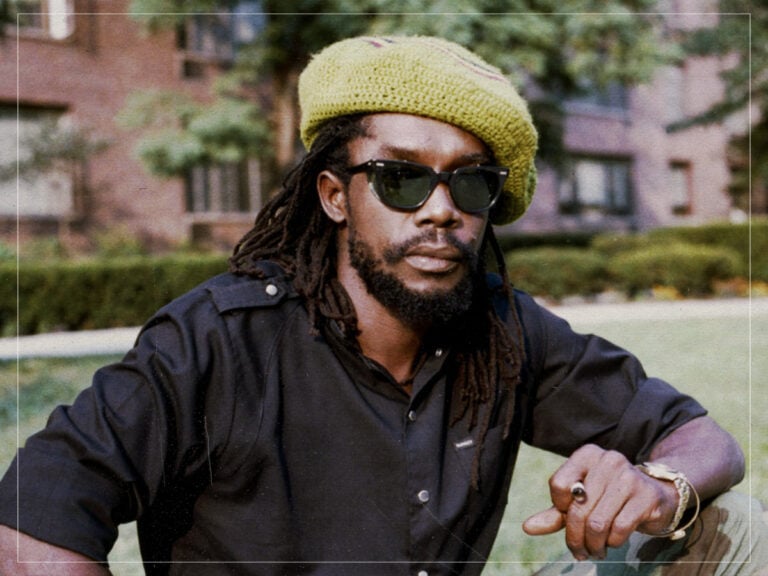
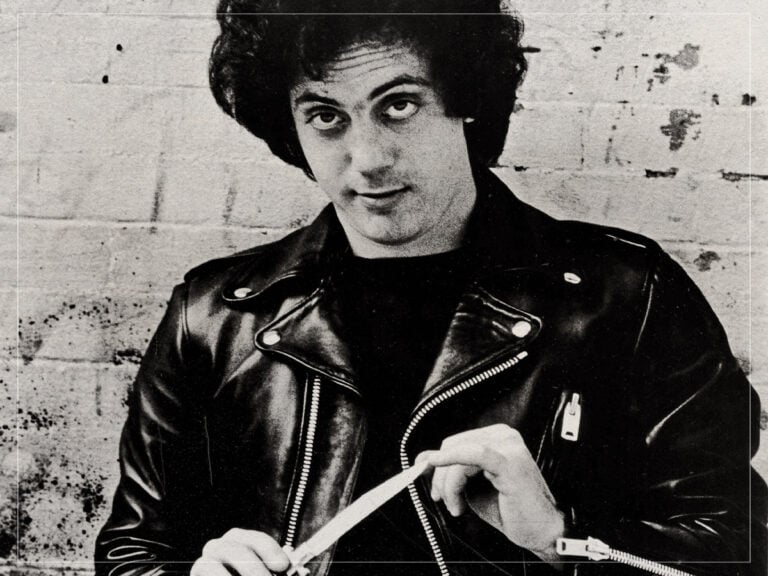

For someone like May, that was the real lesson to take away. It wasn’t about copying the licks or chasing the same tones, but understanding how a guitarist could occupy that kind of space within a song, where every note carried intention and character rather than just technical flash.
You can hear that philosophy echoing throughout Queen’s catalogue. Whether it’s the orchestrated layers of ‘Bohemian Rhapsody’ or the sharp melodic bursts in ‘Killer Queen’, May’s playing always feels like it’s part of a larger conversation, a trait that can be traced back to the moment Hendrix showed him what the instrument was truly capable of.
One of the other significant elements that May took from Hendrix was his ability to use the studio to his advantage. Across Electric Ladyland, Hendrix was trying out spaces within his sound that had never been thought of before, like adding different kazoos doubling his guitar parts on the song ‘Crosstown Traffic’. Seeing how playful Hendrix was with his music, it’s not hard to see how Queen utilised the same principles for their more jovial songs like ‘Seaside Rendezvous’.
May wasn’t the only one admiring the guitar god in his early years. When honing his chops as a frontman, Freddie Mercury also spoke lovingly of Hendrix, later explaining, “He sort of epitomises, with his presentation on stage, the whole works of a rock star. There’s no way you can compare him to anyone, and there’s nobody who can take his place.”
Even after years of distance between his childhood guitar heroes, May still finds ways to incorporate Hendrix’s style into his own, going on to say, “Every time I go back to Hendrix, I’m thrilled and stunned, and I get that feeling all over again, like either I’m going to give up playing guitar because I can’t face up to this, or I’m gonna really have to get into it in a big way and try and do what is in my own body and soul. Strangely enough, these days, I very seldom play his stuff, but it’s kind of inside me anyway.”
