


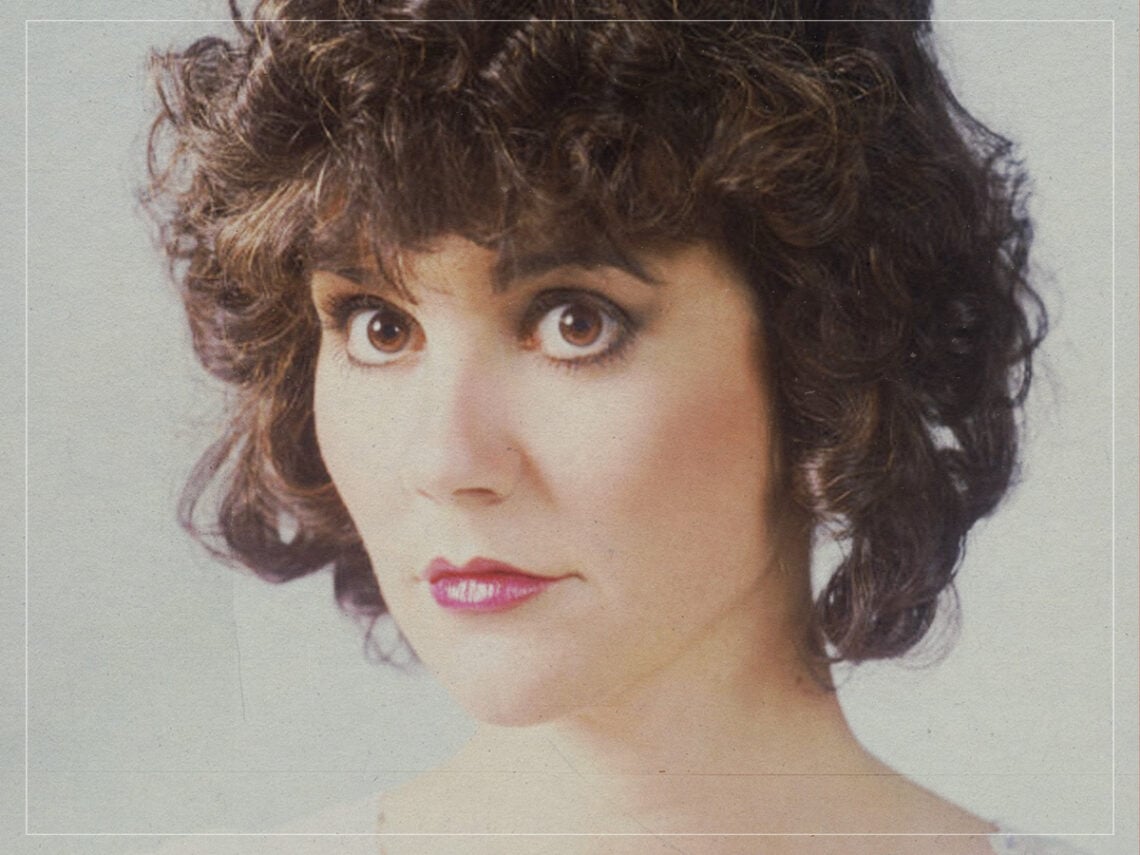
The one band that gave Linda Ronstadt “a headache”

Not everyone is conditioned to like every single strand of rock and roll. The genre has come a long way since Chuck Berry started it back in the 1950s, and even if people aren’t as picky about what falls under the rock category, there aren’t too many rockabilly artists who are throwing on the heaviest metal music that they can in their spare time.
And while Linda Ronstadt cut her teeth playing some of the finest country rock ever conceived, her taste was much different from what was happening on the rock charts at the time.
Not too many people on the Los Angeles club scene at the time would have been flaunting their love for Rosemary Clooney or talking about their desire to make an album totally in Spanish, but Ronstadt was always fearless whenever making her records. She knew that the best music would be the songs that she liked to play, and if that meant getting some grit in her voice or playing as precisely as possible, that was what she was going to do.
And it makes sense that Los Angeles would have gone in this mellow direction, anyway. The Summer of Love had come and gone, and since Altamont proved that things could get frighteningly dangerous, it was easy to listen to bands like James Taylor and Jackson Browne to help you forget about the problems with the world. But half a world away, things were getting much heavier.
The country rock scene may have been indebted to blues music in some regard, but the London blues scene had a bit of a different take. They wanted to make some of the most electrifying music anyone had ever heard, and while Cream was fun while they lasted, Led Zeppelin was the moment millions of people became fans. Jimmy Page was now free from doing what he was told, and with Robert Plant wailing away in front of him, their songs signalled where rock and roll would be headed.
While there were still bands like Eagles writing fantastic melodies in America, Ronstadt thought that Zeppelin were one of the more off-putting bands that came on the radio at the time, recalling, “Andrew Gold from [my] band is indoctrinating me. Their stuff is like insect music to me. I can’t listen to it for a long time without getting a headache, but I’m getting to understand it. What’s Plant look like? That’s such a great name for someone who sings like that.”
But it’s not like Plant was screaming for the hell of it. He was channelling his inner pain the same way that Janis Joplin was a few years before him, and listening to some of those early songs is like listening to a blues band woodshed their songs in the middle of a sweaty bar, especially when ‘Percy’ starts doing a call-and-response with Page’s guitar halfway through songs like ‘You Shook Me’.
It might have been abrasive, but Ronstadt also had her fair share of heavy songs. Many of her tunes may have been centred around love, but it takes a lot of strength to be able to pull off the high vocal range of ‘When Will I Be Loved’, and ‘You’re No Good’ had to have at least a little bit of heaviness to it to eventually be covered by Van Halen years after the fact.
Zeppelin might not have been the first thing that Ronstadt reached for when she finished one of her gigs, but that’s not the right context to listen to them in the first place. This was the kind of music meant for going into a bar or going into battle, depending on which era you were listening to, and despite Ronstadt’s various twists and turns throughout her career, Page managed to steer Zeppelin through tectonic musical shifts throughout the span of a single album.

Never Miss A Beat
The Far Out Led Zeppelin Newsletter
All the latest stories about Led Zeppelin from the independent voice of culture.
Straight to your inbox.