


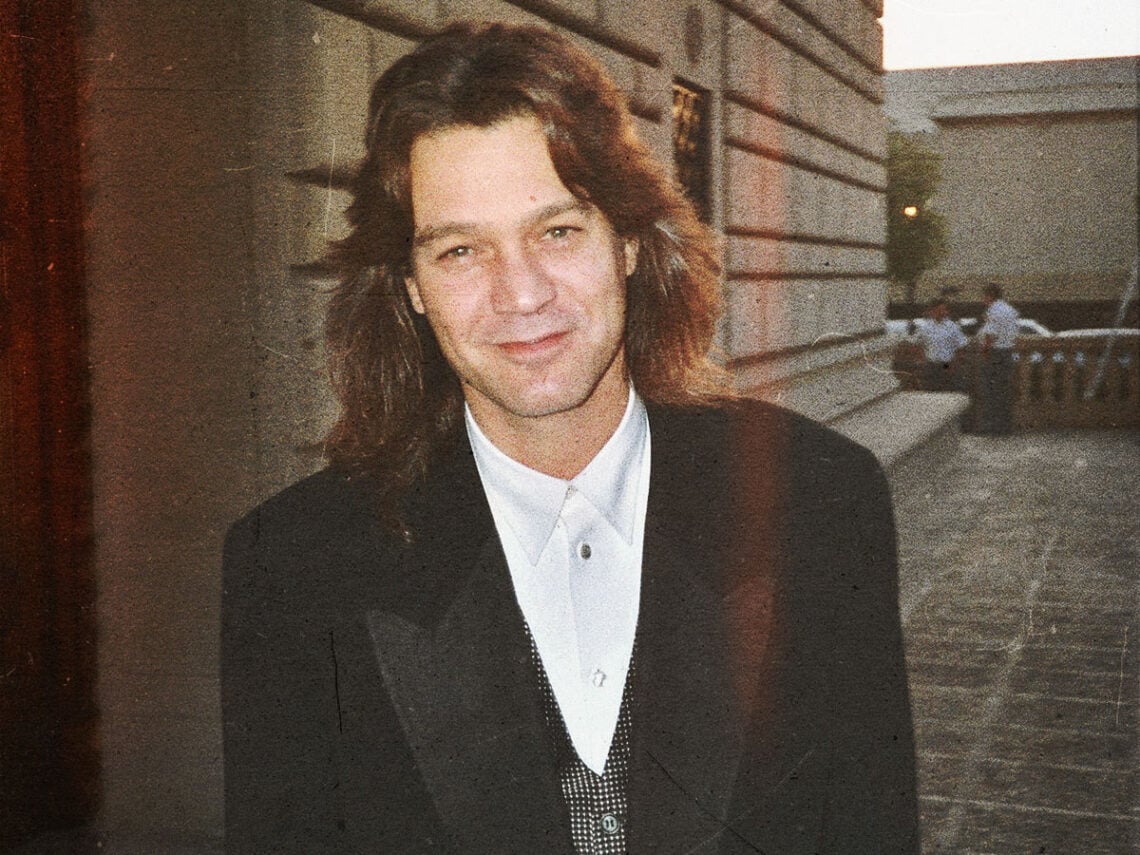
The one band member Eddie Van Halen was never friends with: “He does not want to be”

There’s a good chance that anything Eddie Van Halen played during his prime would have sold decently well.
No one in the guitar community was doing anything like what he was doing back in the day, and even if the band’s frontman changed more than a few times, it was worth it to hear Eddie deconstruct everything about what music could be every time he played one of his solos. But even if there were some bright spots throughout every era, there were some burned bridges that Eddie knew weren’t even built to begin with.
Then again, there are more than a few times when Eddie could air his dirty laundry to anyone who would listen. He had no problem talking about how Sammy Hagar’s lyrics weren’t working for him towards the end of his time with the band, and given the fact that he got his son to replace Michael Anthony in the band so quickly after they reformed, it’s not like he had to have fond memories of the bassist that helped fly the flag for them for so many years.
In fact, one of the biggest appeals of Gary Cherone when making Van Halen III probably had more to do with his place in the band rather than his singing voice. Cherone has a fantastic set of pipes and can go for some crazy notes when the time calls for it, but since most of his one album with the band is way too messy, it feels more like he was doing what he was told and writing the best he could within Eddie’s framework.
But if there was one singer who was going to be identified with the band until the end of time, it’s David Lee Roth. ‘Diamond Dave’ is still one of the most electric frontmen that ever lived, and even if he isn’t exactly bringing the swagger that he used to when working with Van Halen back in the day, you could at least admire the guy trying his best to give the people what they wanted when making A Different Kind of Truth.
Even when both camps let bygones be bygones, though, Eddie was the first to say that he and Roth were on two completely different pages from the time that they started talking about putting the pieces back together, saying, “He does not want to be my friend. How can I put this: Roth’s perception of himself is different than who he is in reality. We’re not in our 20s anymore. We’re in our 60s. Act like you’re 60. I stopped coloring my hair, because I know I’m not going to be young again.”
Granted, we all tend to have that one friend that’s a little too stuck in the past in many respects, but it’s not like the band weren’t willing to accommodate in places. No one can sing the way they used to when they were in their 20s, and when Roth took the mic again on their comeback record, he could at least work around the kind of songs they were going to throw into the set without sounding too squawky.
But in terms of his stage performance, there is definitely a noticeable disconnect from what he’s doing and what Eddie’s doing. Those elongated solos that Eddie plays might look like pure showmanship, but it was all in the service of making a great show every single time he played, whereas Roth seemed more like the rock star that tried to channel his inner Sammy Davis Jr whenever he did his more forgettable stage antics.
Hagar managed to bring the band back down to Earth when he joined the band, but even if Eddie and Roth didn’t want to speak to each other for years, they had the sort of tension that all great bands of their ilk need. Not every song was going to get the approval of both of them, but if they weren’t together when that first record dropped, chances are they wouldn’t have been able to climb all the way up to the top of the world.
