


The 1981 album Phil Collins didn’t want to release: “It wasn’t on my radar at all”

There’s a good chance that Phil Collins was one of the greatest things that ever happened to the 1980s.
When you look at the advancements in musical technology and the advent of MTV that changed the landscape of rock and roll, the idea of Collins being a major part of that development almost doesn’t make sense when you take a look at his track record. But if you bother to look a little bit deeper below the surface, the fact that Collins made as many records as he did gave birth to what modern pop music was supposed to sound like.
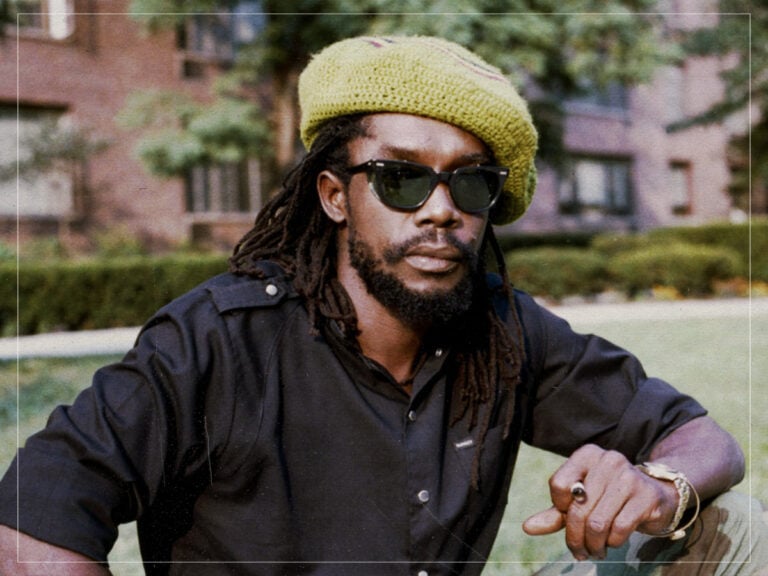
When you look at the way all 1980s pop songs sounded, the whole thing started when Collins was working with Peter Gabriel. They knew that they wanted a unique sound for Gabriel’s third record, but by creating that massive gated reverb sound, they practically invented the idea of what drums sounded like for the next decade. That was only a notch on Collins’s belt, but everyone was stopped in their tracks when they heard him playing a song like ‘In the Air Tonight’ for the first time.
Genesis weren’t a pop band by any stretch at this point, and while ‘Follow You Follow Me’ was the closest thing they had to a hit at the time, the idea of Collins becoming a global superstar on his own didn’t even make sense. He was the one who just started taking over for Gabriel, and yet when everyone heard that massive drum fill running throughout the song, they knew they had landed on the kind of artist they could get behind. And yet with all of those credentials, it was all centred around an album that wasn’t supposed to exist.
In fact, Face Value wasn’t really an album at all when Collins first made it. He was already going through a major separation with his wife, and while he wasn’t good with words and could hardly talk out his problems, he let his songs do most of the talking, whether it was lashing out in anger or wanting to kiss and make up on the ballads. It was only for his own amusement, but Ahmet Ertugen was the one who made the whole record happen.
Collins felt that a lot of it was too personal to get into, but the record mogul wasn’t going to let this immaculate record slip away, either, with the drummer recalling, “He said, ‘Man, that is fantastic. It has to be a record.’ That was the point where I realised I was making a record. It wasn’t on my radar at all.” If he was getting everyone onboard, though, Collins was going to invite a few friends to help him see it through to the end.
Even though it was hard to find him in the mix, getting Eric Clapton to add some guitar colour to the songs was a perfect choice, and getting more horns behind his vocal really helped accentuate his work as an R&B writer. And those talents weren’t lost on the rest of the world when the record kept growing more and more popular in the hip-hop community.

Collins was probably the last person that most people thought of to be in cahoots with someone like Pharrell Williams, but the hip-hop genius said that he would never try to recreate what Collins did on here because it was too perfect. The vibe and the sound were simply too perfect, but a lot of that came down to Collins capturing a feeling that was far beyond what anyone else was thinking at the time.
No one would have expected a progressive rock giant to pull a massive genre switch like this, but his solo career was always his chance to do what he wasn’t allowed to within the confines of Genesis. And while Tony Banks and Mike Rutherford might have been a little pissed off that they didn’t get to hear ‘In the Air Tonight’ on their record, Collins wasn’t about to apologise for making one of his finest albums.
