


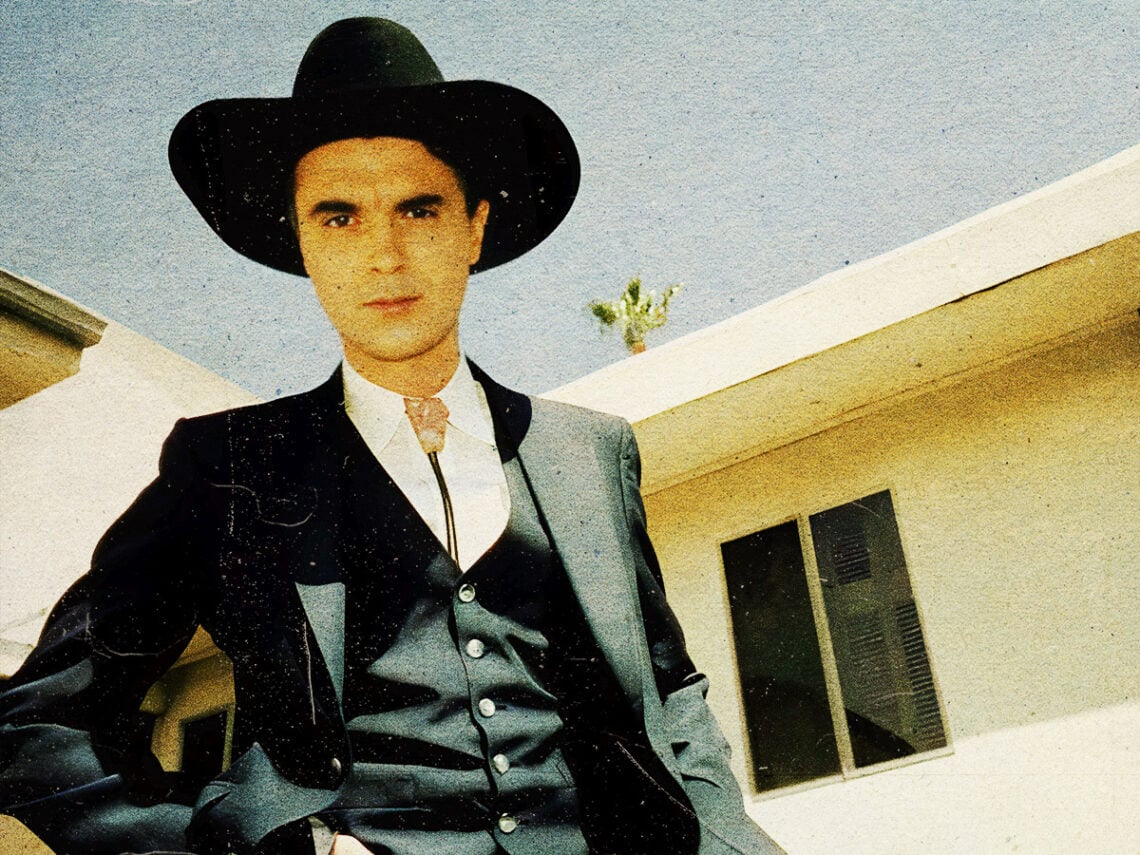
“The best bands, the best players”: The New York scene that reinvigorated David Byrne

While the 1970s was one of the most diverse eras in all of music, come its latter stages, punk rock and new wave were beginning to rule the roost.
The sense of wild sonic exploration that had traversed several genres and subgenres had now concentrated into something more anti-establishment, as the swell of capitalism and the ‘80s beckoned. So, despite building on the back of wild innovation, music wasn’t quite ready for bands like Talking Heads just yet.
Sure, in their music, there were glimpses of the punk scene that was proving wildly popular, but they were mixing it with a fresh soundscape that somehow blended it with art-rock and glittering avant-garde pop to create a sound that was, well… the Talking Heads sound.
“I identified with the do-it-yourself attitude you can express yourself with a minimal means,” David Byrne expressed of punk, adding, “That part of it, I loved it. It was about agency, giving everybody the possibility to be creative.”
But to him, that meant being creative against the tide that had formed within the scene. Rhythm was the primary jumping-off point for him in crafting this new sound, and Byrne sought it out from various parts of the globe. There was, of course, his obvious affinity for afro-beats and the work of Fela Kuti, whose trance-inducing polyrhythms and hypnotic horn riffs first inspired ‘I Zimbra’ on their ‘79 album Fear of Music and then the overall make-up of their seminal ‘80 album Remain In Light.
But it was when Talking Heads came to an end of the ‘80s, that Byrne had a real musical awakening. He had been set free from the creative prison he had built himself, where songs could only be written through his tyrannical Talking Heads leadership. Now, he had time to breathe, reflect and crucially, open up his creative mind to worlds that otherwise seemed alien to the band’s sound.
That was when he discovered the glittering worlds of Latin America and its rhythmic music, which, by the tail end of the ‘80s, was undergoing something of a renaissance in New York. “I wasn’t conscious of it at the time, though,” he first prefaced, outlining his mental state in the wake of the break-up.

But he explained how the music pierced through the haze. “At the time, of course, that was the music I was listening to,” he added. “I was going out to Latin clubs and listening to the records. It was like, ‘Wow, there’s this whole world of music and it’s right here in New York. The best bands, players, the best singers, it’s all right here.’ It was just amazing. And it was under my nose the whole time. So I was just totally excited and thrilled by the whole thing.”
Out of the dust came Rei Momo, Byrne’s latin infused solo record that harnessed this new found inspiration. And sure, it wasn’t the genre-crossing classic that Remain In Light was, and rarely does music history look back and talk about it with any career reverence, but it’s another crucial chapter in the story of a musician who constantly evolved.
