


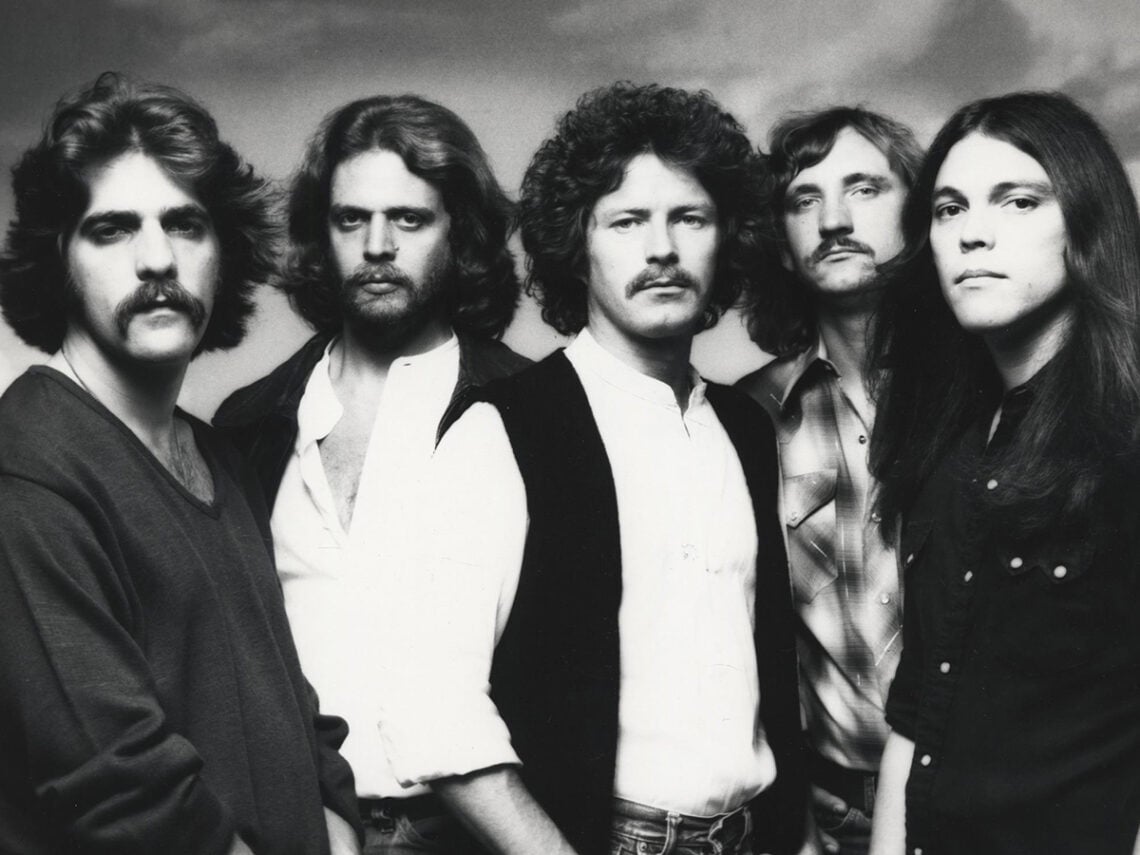
Don Henley on the musicians who hated working with the Eagles: “I was scared shitless”

Working in the confines of the Eagles would never be a walk in the park. Even though the band may have sung about the life and times of living in sunny Los Angeles, the reality behind making all those records did a number on every band member, with everyone growing a particular animosity towards each other. When laying down their first serious songs, though, Don Henley remembered a few musicians not being too enamoured with him in the studio.
When first cutting their teeth, Henley had come at music from a different perspective than most. Rather than learn music theory, Henley was more interested in listening to music through instinct. While he had taken one music course in college, he was always more interested in English, abandoning any musical studies in favour of learning about the written word.
Once he moved out to Los Angeles, Henley started to see the beauty of putting together melodies with Glenn Frey on the first handful of Eagles projects. Compared to the classical pieces that he was used to learning from in his classroom, throwing together basic chords woven together with a sharp melody was all Henley needed to get by, taking the reins for massive hits like ‘Witchy Woman’.
When it came time to produce their next record, Henley knew he wanted to create something far more serious than their debut. Drafting the concept of an album centred around gunslingers on the wrong side of the law, Henley struck gold while working on the song ‘Desperado’.
Written in the same vein as the lonely ballads of country music, Henley understood that the song needed to be given a complete orchestral treatment when brought into the studio. Once he started pitching the idea to producer Glyn Johns, though, the session musicians were less than enthused about playing on a song by a rock ‘n’ roll amateur.
As Henley recalled, the environment in the studio was ice-cold from the classical musicians, telling Howard Stern, “The London Philharmonic was sitting behind me and I was scared shitless. I was trying to sing, and a lot of these guys were older guys, and they brought chess boards with them and set up chess boards in between their chairs so they could play chess between takes. They weren’t into it”.
While Henley remained professional about getting the performance down the way he wanted to, he did admit to facing a bit of ridicule from the classical musicians, explaining, “They’ve done everything. They probably played with The Beatles. And I was sitting there, and I could hear them making remarks once in a while. I would hear one say to another one, ‘I don’t feel like a desperado’”.
Of course, the 1970s and early ’80s were a somewhat confusing place for the landscape of contemporary music. For whatever reason, the period saw a growing interest in bridging the gap between classical and popular music. For rock bands like the Eagles, known for their intricate harmonies and layered arrangements, were seemingly perfect candidates for orchestral adaptation. While Henly had his fears, you can’t argue that The London Philharmonic’s involvement lent an air of sophistication and gravitas to the project, highlighting the compositional depth of the Eagles’ work.
Though the song came together over a few hours, Henley would say that he wished he could sing the material all over again to get over any of the raw nerves he felt when laying the proper track. While ‘Desperado’ may have been seen as a piece of cake for classical musicians, there aren’t many musicians who can deliver the song with the same authority as Henley could.
