


The musician Phil Collins wishes he could trade careers with: “I’m cast aside”

Phil Collins evokes different reactions depending on who you’re talking to.
For those familiar with Genesis and his solo career, he’s likely seen as a more reputable musician, whose contributions to rock both as a drummer and songwriter paved the way for many talented artists to come.
Collins occupies a strange position within rock history because his reputation has fluctuated so dramatically over time. While critics once dismissed him as overly commercial, later generations have increasingly re-evaluated both his musicianship and emotional honesty.
For the younger generations, or those who prefer hard rock, he’s perceived as a gimmick and not in the same category as many of his musical contemporaries. Part of that perception stems from how omnipresent Collins became during the 1980s. His voice and songwriting style were virtually unavoidable on radio and television, which often caused cultural backlash regardless of the actual quality of the material.
Whether or not Collins is taken seriously evades the point of musical enjoyment and its subjectivity, but understandably, it’s a very frustrating thing for him to experience. Despite the fact that corniness was central to Collins’ music long before the Cadbury advert graced our television screens, and contrary to popular belief, he does approach his music sincerely.

In fact, Collins is so serious about his music that he released an album to prove it, one that was rather appropriately titled …But Seriously. To escape from the light-hearted appeal of No Jacket Required, Collins tapped into his most earnest subconscious for …But Seriously to create something that transformed public perception and made him out to be more of a major player within the industry.
One of the major reasons why Collins lost a chunk of credibility was the significant amount of radio play he achieved. While …But Seriously was an attempt at breaking the mould that he had already created for himself, Collins was a radio artist whose music became more and more vilified as time went on. However, Collins isn’t a bad singer, nor is he a bad drummer, so such responses to his artistry likely took a toll on his own self-perception.
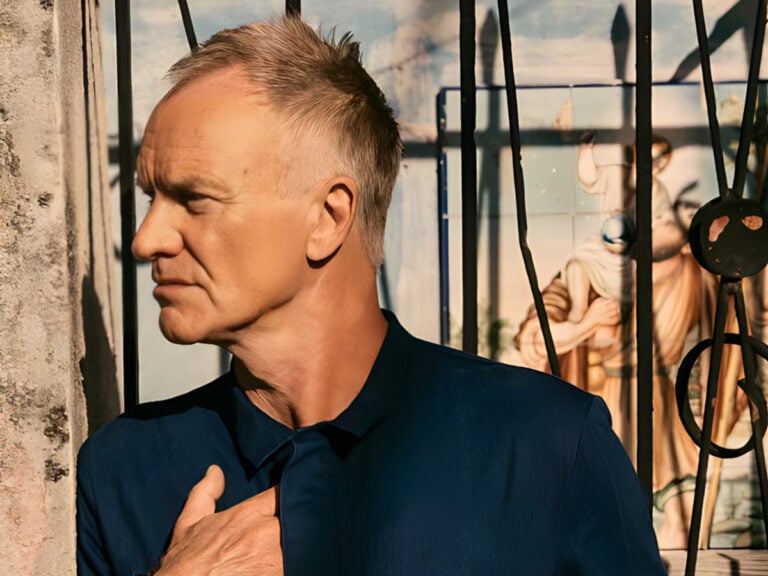
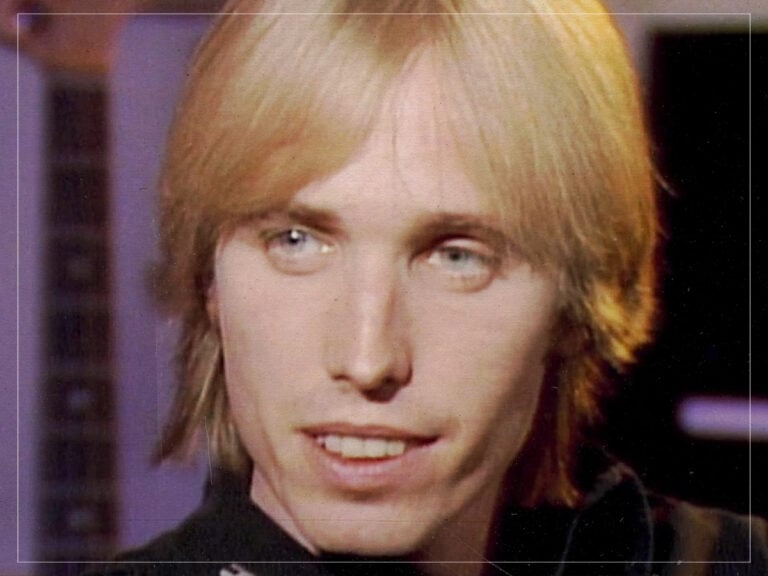

Perhaps this is why Collins so readily explored the idea of stepping into another musician’s shoes, enjoying the momentary escape from his own reality and allowing him to viscerally experience having a well-respected career and reputation. Discussing his mainstream popularity, he told David Sheff: “There’s a tendency for people to be cynical about popularity, like you’re appealing to the lowest common denominator, which is another term for trash. It’s an insulting attitude-insulting to the audience.”
If he did have the ability to swap lives with someone for one day, he chose to give David Byrne’s life a try, seduced by the idea of seemingly smaller-scale success. “God, I wish I were David Byrne, with this small, tight group of fans,” he explained, adding: “The critics would like me. Instead, I’ve been taken less seriously because I’ve been more popular-I’m cast aside as some sort of Barry Manilow. I find it frustrating.”
Although many have a tendency to view mainstream music as lacking in depth, Collins regards this as a major strength. As he put it: “[The music] has a heartfelt thing in it, it comes from someplace deeper, and that comes through in the songs, I think. It hits the chord of truth. People understand it because they have felt it, too.”
That emotional directness became Collins’ greatest strength as a songwriter. Whether listeners loved or hated his music, few could accuse him of hiding behind irony or fashionable detachment in the way many artists eventually would. Collins may remain divisive for many, many years, but denying his widespread appeal is impossible.
