


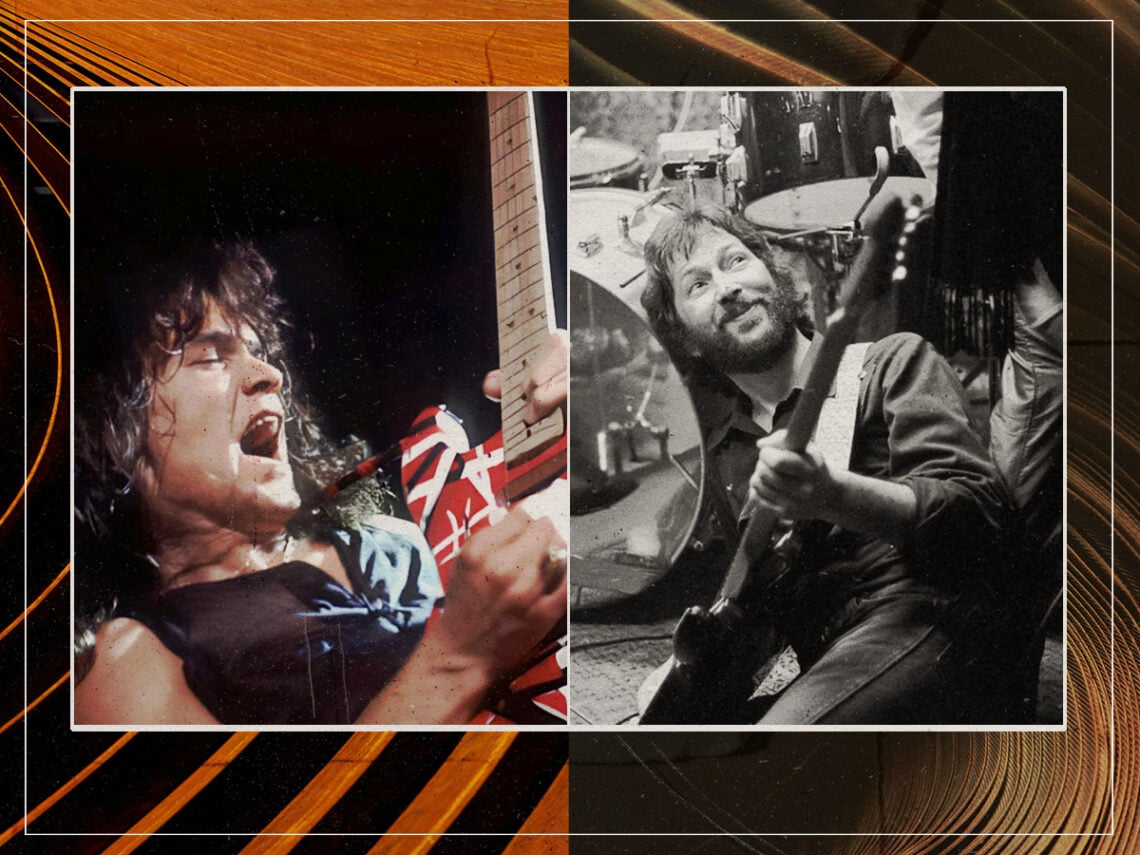
The musician Eddie Van Halen called a level above Eric Clapton: “The most insane thing I’ve ever heard”

There are usually a handful of guitarists that are in the upper echelon of guitar gods for everyone. Jimi Hendrix knows the lay of the land, and Jimmy Page shares some space up there, but Eddie Van Halen was reserved for those hallowed, even if the only thing he ever did was create ‘Eruption’.
Although Eric Clapton was the first guitar that made Eddie want to pick up a guitar, he thought that Jack Bruce might have been a much fiercer player than ‘Slowhand’ ever could.
However, when dissecting both Bruce and Clapton, they seemed to have two completely different vocabularies. Clapton grew up in the blues tradition and created his classic sound with The Yardbirds, while Bruce was the one who took every single great song that they ever made and brought it into the jazz world.
That contrast was not just about style, but about intent. Where Clapton often focused on phrasing and tone, letting notes breathe within a blues framework, Bruce approached the instrument with a restless energy that refused to sit still. His lines were constantly moving, shifting direction mid-phrase and pushing against the structure of the song rather than settling comfortably within it. It created a tension that could either elevate a track or threaten to pull it apart entirely.
For listeners, that dynamic became one of Cream’s defining features. The band was never content to simply groove in place, instead operating on the edge of something far less predictable. It meant that each performance carried a sense of risk, with Bruce’s bass acting almost as a second lead voice rather than a traditional foundation. That approach would go on to influence countless players, including Eddie, who recognised that power did not always come from restraint, but from knowing when to break the rules entirely.
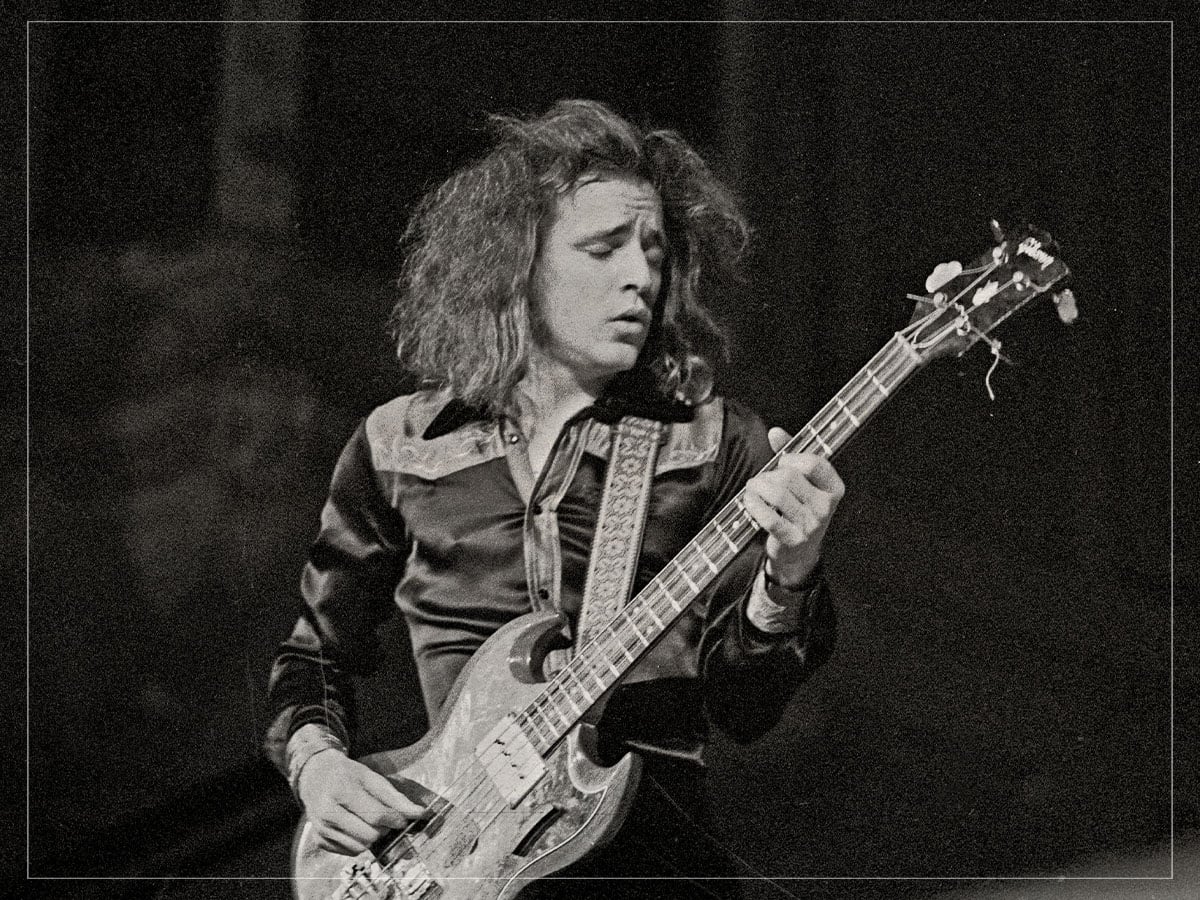
In fact, the whole reason why Cream formed was because Clapton wanted a break from just straight blues. He wasn’t going to sit around and watch The Yardbirds become a pop band, so the most logical thing to do was to work with the few musicians who could actually give him a run for his money.
He just might not have expected Bruce to play his bass like a lead guitar half the time. After years of blues rockers that have come since, Bruce still manages to do with just his fingers what it takes most people years to do with just a pick, usually running up and down the scales and actually managing to lock in with Baker every single time he plays.

Eddie knew that he was listening to brilliance every time he put on a Cream record, but for as good as Clapton was, Bruce might have been better in his eyes, telling Brad Tolinski, “Listen to ‘I’m So Glad’ on Goodbye and adjust the balance to the right–Jack Bruce and Ginger Baker were playing jazz through Marshall stacks. Jack is an insane player. The bass playing is the most insane twisting and changing thing I’ve ever heard in my life. Clapton sounds lost.”
It’s not like Clapton would disagree with Eddie on that, either. In the first few years of the group, half of the guitarist’s licks came from getting an education about how to play certain grooves and how to make the band jump while everyone thundered underneath him.
That’s probably why Eddie was so adamant about his rhythm playing when in Van Halen as well. Sure, he may have just used it to lock in with his brother whenever they performed together, but for all of the great tapping runs that he played, most of the power was in Eddie’s right hand, usually anchoring everything with a rocksteady pulse half the time.
In fact, are we sure that Eddie didn’t end up taking a few licks from Bruce as well as Clapton? There are still some bluesy licks that are totally ripped from ‘Slowhand’s playbook, but looking back to the way that he incorporated swing into songs like ‘Hot for Teacher’ and ‘I’m the One’, Bruce may have been just as important in shaping those songs for Eddie.
