


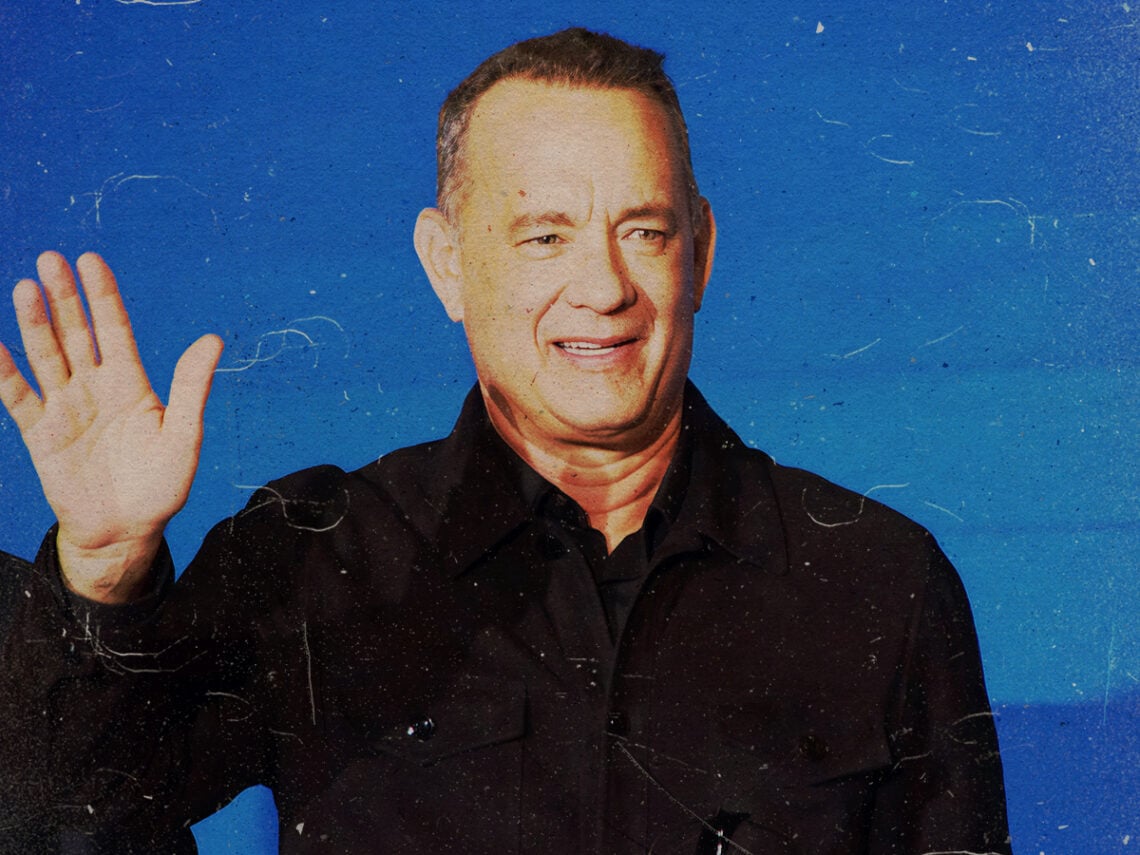
The movie that Tom Hanks says exposed his “worst aspects”

Most cinema fans would need to try hard to find something malicious to say about Tom Hanks. Regardless of what people think of his movies, Hanks’ likeable personality often radiates whenever he comes onscreen, bringing a sense of dignity to every one of his roles. As much as he might like to stretch his limits now and then, Hanks admitted that one movie didn’t feature him in the best light.
When working on his first handful of roles, though, Hanks was already beginning to hone his likeable presence onscreen. Coming from television first, Hanks was known for his breakout role in Big, where he played a child who one day wakes up in an adult’s body. While the film’s premise wasn’t anything spectacular, Hanks brought it to the next level, oozing charisma from the first time he opened his mouth.
As he started to take on his subsequent roles, though, he was drawn to go in a new direction for the film Punchline. Working opposite Sally Field, the film featured Hanks working alongside the actor as she plays a mother trying her hand at standup comedy. Even though the movie had a decent premise attached to it, the film would eventually become a footnote to what would come later.
Despite the lacklustre reception to the film, Hanks would remember the movie as being one of the showcases of his worst tendencies. When discussing the film later, Hanks would say that he related to his stand-up comic character Steven Gold a little too much, thinking he could play up his more self-absorbed tendencies onscreen.
Discussing his approach to Gold, Hanks would recall that all of his negative emotions were a central part of the character, telling Playboy, “The guy in Punchline probably has the worst aspects of my worst aspects. … He is extremely competitive, for one thing. Competitive to a fault. He is unable to balance his daily existence so that real life and what he does for a living have an equal weight. I’ve certainly had those problems. I think any actor has”.
Even though Gold tends to look a little slimy at the start of the film, Hanks can still ground him in reality throughout the rest of the movie. As he starts to work with Fields’ Lilah Krytsick, he starts to loosen up a bit more, looking to put down his confrontational demeanour in favour of helping her become the funniest comedian she can be.
Although Hanks may have had to take a look in the mirror when approaching Gold, those negative aspects of his character would leave a considerable mark on where his career would be going. Throughout intense dramas like Philadelphia or lighthearted affairs like Toy Story, it’s easy to see where Hanks got his emotional chops from, looking to show the audience the man behind the character rather than the actor giving a powerhouse performance.
Even when playing more despicable characters, though, Hanks never sacrificed a moment of screen time in favour of hamming it up for the camera. Whereas most actors may try to use the camera to paint themselves as larger-than-life, Hanks knows that the best performances are much closer to the actor’s reality than most would like to admit.
