


The “war crime” movie Steven Spielberg wishes he could forget

Very few people would question the assessment that the American filmmaker Steven Spielberg is the best director of all time.
Contributing unparalleled creativity to the medium, the beloved auteur emerged in the 1970s with such trail-blazing classics as Jaws, the world’s first blockbuster, and the sci-fi epic Close Encounters of the Third Kind, which established him as a ferocious industry force.
Ever since, Spielberg has proved his worth from one decade to the next. In the 1980s, he devised one of cinema’s greatest action heroes in the form of Harrison Ford’s whip-slinging archaeologist, Indiana Jones, before bringing the horrors of WWII to the silver screen in the next decade with the seminal Saving Private Ryan. Even after so many years, Spielberg remains a contemporary creative titan.
Yet, despite his success, not every single one of his movies has been a sure-fire hit. Recently, such projects as Ready Player One and The BFG have failed to strike a chord, but even during his heyday in the late 1970s, Spielberg was susceptible to a slip-up. The director himself would be the first to admit that his 1979 film 1941 was a dud, once exclaiming that its production was comparable to a “big demolition derby”.
1941 cost $35million to put together but only took $94.9m, which were pretty measly numbers in comparison to the takings of his previous movies, which gathered a combined total of approximately $780m across the globe. A pitiful attempt at a war comedy, Spielberg’s film told the story of Californians preparing for war in the days after Pearl Harbour, with the cast including the likes of such funnymen as John Belushi, Ned Beatty and Dan Aykroyd.
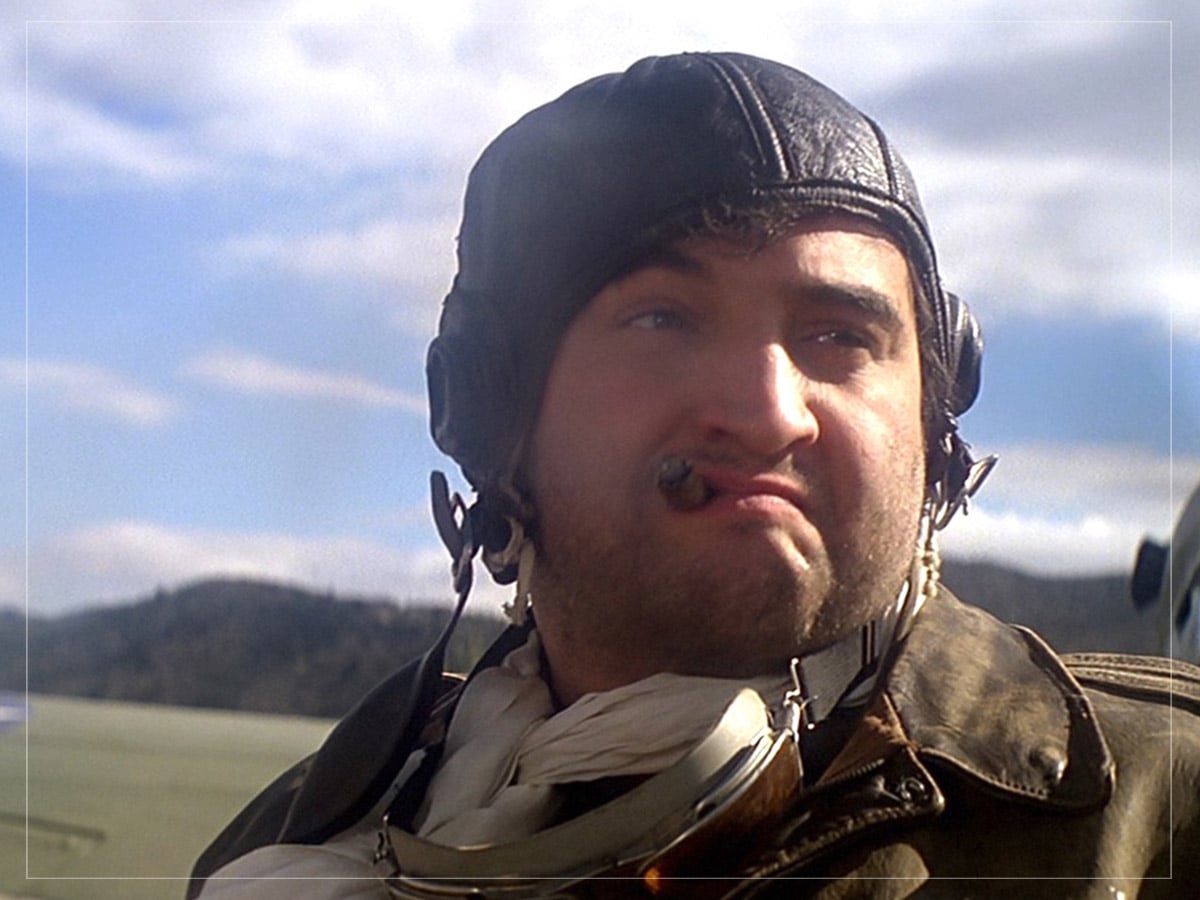
Part of the problem was that Spielberg was attempting to channel the manic energy of directors he admired, particularly the anarchic style of comedy that filmmakers like Robert Zemeckis and John Landis were beginning to popularise at the time. However, the balance never quite materialised.
The large-scale explosions and elaborate set pieces that worked so perfectly in Jaws and Close Encounters felt overwhelming in a comedy setting, leaving the film caught awkwardly between slapstick chaos and blockbuster spectacle.
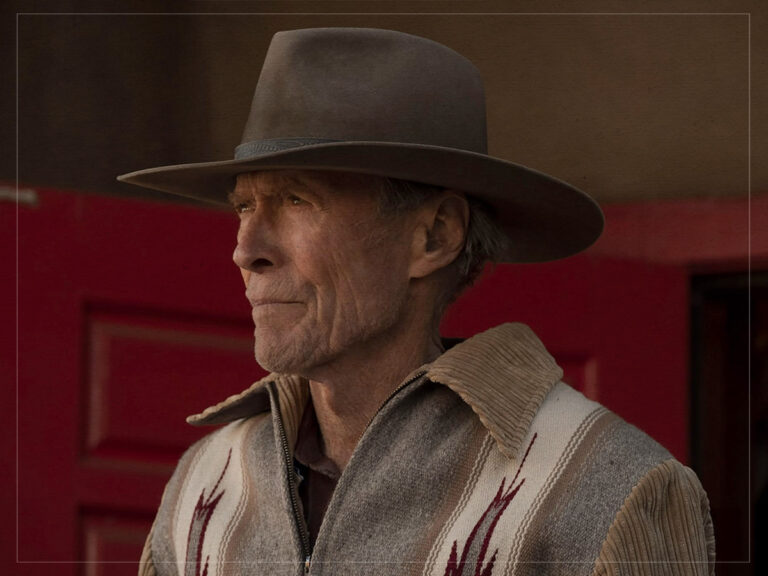

Even Spielberg himself later admitted that his confidence had probably gotten the better of him after a string of unprecedented successes. Having become Hollywood’s golden boy almost overnight, he approached 1941 believing audiences would automatically follow him into any genre he chose to tackle. Instead, the film served as an important reality check, reminding him that even the most gifted directors can misjudge tone.
In hindsight, the failure of 1941 may have ultimately benefited Spielberg, pushing him toward the more disciplined storytelling that would define many of his greatest films in the decades that followed.
Speaking about the movie in the 2017 documentary Spielberg, by director Susan Lacy, the director admits that it is his 1979 comedy that is hard to look back on. “It was like I had committed a war crime,” the director said of the venomous reactions people had towards the movie, with Spielberg having taken on the film after feeling invincible in the industry after his previous back-to-back successes.
One such vocal critic of the movie was none other than John Wayne, with Spielberg even offering the western icon a part in the film long before it went into production. After reading through the screenplay, Wayne was furious at the proposed movie before him, stating that the script was “the most anti-American piece of drivel he had ever read in his life”.
Take a look at the trailer for the movie many people call Spielberg’s worst movie below, and judge for yourself whether it’s quite as bad as the critics say.
