


“The most hated band on the planet,” according to Joe Elliott

As the old saying, there is no such thing as bad publicity. In the music industry, it’s usually good for anyone’s career if your name is heard everywhere, even if some people aren’t as keen on your music as others. Although Joe Elliott may have dealt with his own share of ridicule throughout his career, he thought that one band held the mantle of being one of the most reviled names in the music industry.
When Def Leppard first started out, though, they were a much more grizzly band than what they would ultimately become. Even though the band have been known for years as one of the kings of the 1980s, the original incarnation of the band was birthed out of the golden age of British heavy metal, playing hard-edged rock alongside titans of the genre like Judas Priest and Iron Maiden.
While On Through the Night sold decently for a debut album, it wasn’t until the band got to work with producer Mutt Lange that they came into their own. Creating layers of guitar sounds and unforgettable hooks on every track, albums like Pyromania and Hysteria would become classics of the hair metal genre, turning the band into one of the biggest names in music by 1987.
By the time the 1990s rolled around, the group’s brand of rock and roll was about to take a severe nosedive. As a result of the grunge movement, most of the hair metal scene would cave in on itself, leading to Elliott restructuring how the band would approach their sound on their grunge-adjacent record, Slang.
That shift in the musical landscape showed just how quickly public opinion could turn. Bands that once dominated arenas suddenly found themselves out of step with what listeners wanted, with the polished excess of the 1980s giving way to something far more stripped back and introspective. For artists like Def Leppard, adapting was less about chasing trends and more about survival.
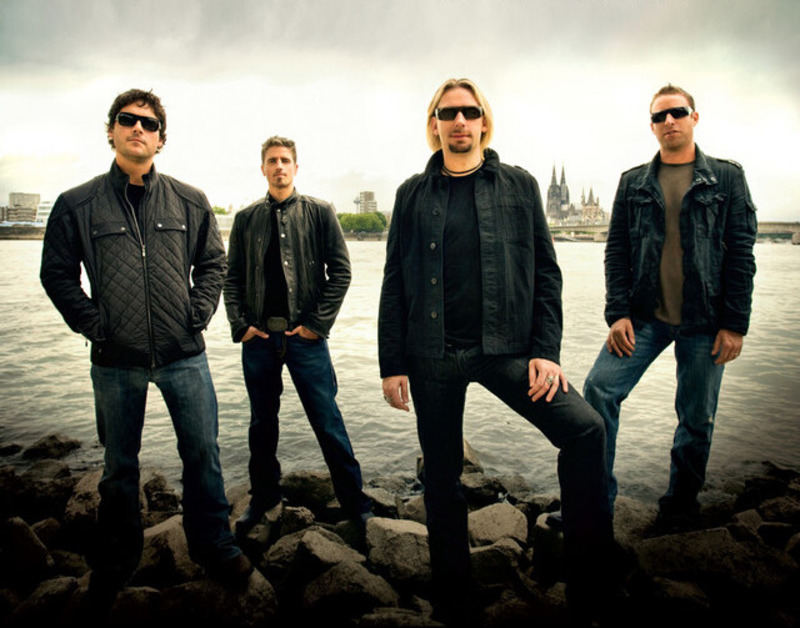
It also highlighted how fleeting favour can be in the industry. One decade’s heroes can easily become the next decade’s punchline, depending on how tastes evolve. In that sense, the backlash faced by bands like Nickelback wasn’t entirely new, but part of a longer cycle where popularity and criticism often go hand in hand.
Once grunge had caved in on itself, Leppard’s style started to get a second wind, featuring a massive return to form for them on the album Euphoria. While the likes of Nirvana had slowly started to fade from view, the leftovers of the post-grunge movement were causing just as much ire among rock fans.
Picking up where the Seattle scene left off, bands like Staind and Creed were looked at as a mockery of what the genre stood for in the first place, making songs that seemed to take all of the sonic elements of grunge without the soul. Out of all the bands to have taken the blame for rock’s downfall, no one saw as much criticism as Nickelback.
Wanting to chase stardom like many before him, Chad Kroeger’s distinct wail became the bane of rock’s existence, reviled by many rock purists while still selling millions of records. Although the band may have gotten a flogging in the press, Kroeger remembered meeting with Elliott and getting a sense of relief from him.
During the American Music Awards, Kroeger would recall Elliott calling them one of the most unpopular bands to like, saying, “When we walked backstage afterwards, Joe Elliott and Phil Collen turned to me, and they were just, like, ‘Dude, thank you so much.’ I’m, like, ‘For what?’ They were, like, ‘For taking the trophy. We get to pass the baton to you for being the most hated band in the world now’”.
While Nickelback may have gotten the brunt of the blame for the death of rock, it was about a popularity contest to begin with. Whether or not Elliott thought that the band deserved the title of the most hated band in the world or not, the sharp divide amongst rock fans in terms of Kroeger’s songwriting had been contentious to this day.
