


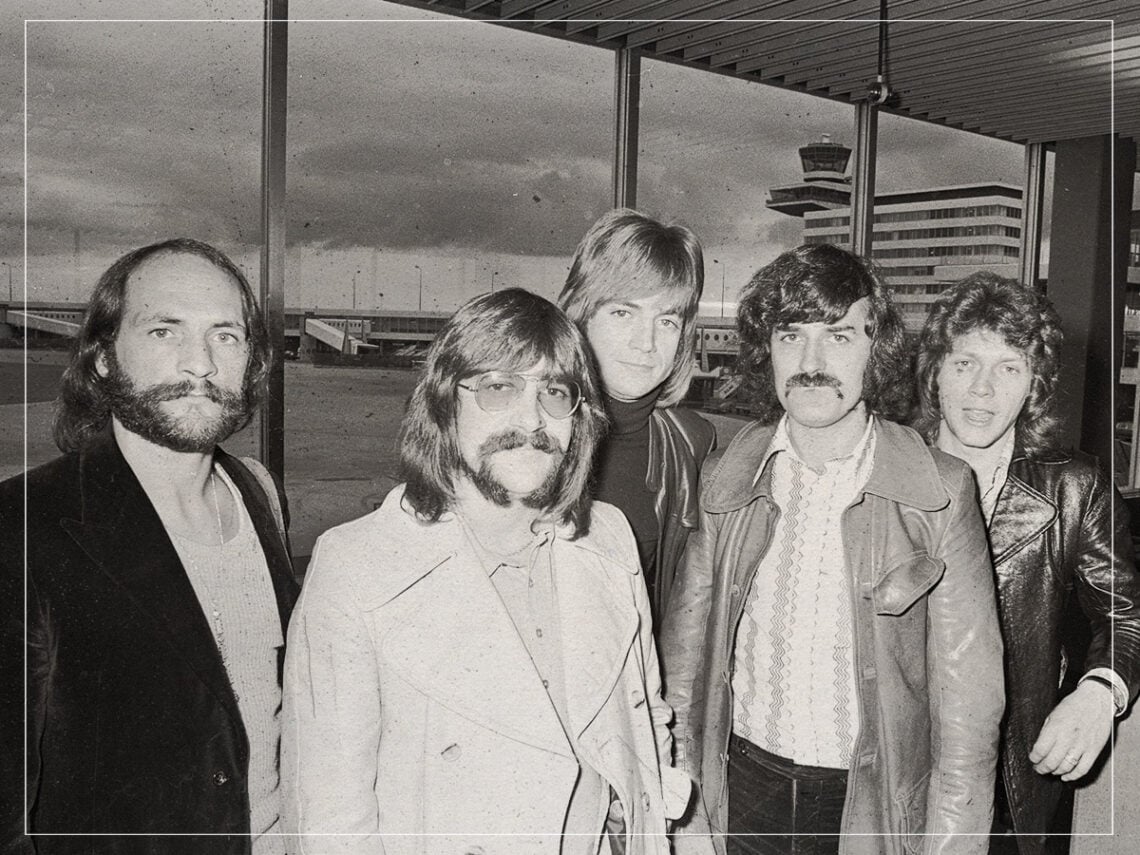
‘Days Of Future Passed’: The Moody Blues’ everyman concept album

When we think about concept albums, it’s usually of big, grand tales. To dedicate an entire album to one feeling, one story, or one thing is typically a vast topic, capable of spanning a whole tracklist. They’re usually stories of made-up worlds, love affairs from start to finish, or political messages told through an extended metaphor or fictional tale. But in the case of The Moody Blues, their concept album Days Of Future Passed was dedicated to perhaps the most common and normal thing of all: a simple day in the life of the Everyman.
Let’s look at some of the biggest concept albums ever made. The Rise and Fall Of Ziggy Stardust saw David Bowie zooming in on one made-up figure, one alien-like rockstar crash landing on Earth. Songs like ‘Starman’ or ‘Ziggy Stardust’ aren’t meant to be relatable. They’re simply vehicles for this character.
The same goes for The Who’s Tommy, as their titular figure is on a mission to become a messiah, something not made people would find something in common with. Alice Cooper’s Welcome To My Nightmares, Frank Zappa’s Joe’s Garage, or any number of concept albums fall into this structure. They’re usually always coloured by a specificity or a voice that’s so particular and so dedicated to the story that it’s more a piece to witness and enjoy than to find yourself in.
However, Days Of Future Passed is perhaps the exact opposite. Instead, they were out to write an album that was at once experimental and adventurous but totally normal and relatable. It came at a moment of change for the group, who had previously been busy trying to be a classic American blues band despite their British origin.
“We had been playing music that wasn’t suited to our characters. We were lower middle-class English boys singing about life in the deep south of the USA, and it wasn’t honest,” their new singer Justin Hayward said, having just joined the band as they began to work on the record. With his influence, they decided to change course by retracing their steps back to the basics, to who they were and where they came from. “That’s why we said, ‘OK, let’s write about English blues. Let’s write about us,” bassist John Lodge said.
But they didn’t just turn their pen to writing British blues. Instead, they created an album wholly and utterly dedicated to nothing more than the average day in the life of the average man. The band new they wanted to create a concept album, becoming interested more and more in perfectionism and creating a fully cohesive piece that would work as a single unit. “I had always wanted to create something that was conceptual,” keyboardist Mike Pinder said, “I wanted to have our albums on people’s shelves… albums that people would want to collect and play in their entirety.”
They weren’t interested in hiding themselves away in some other distant land or false characters. So, instead, they made a vast, cinematic soundtrack to a simple, realistic and relatable day. “Ultimately, it was agreed that the record would be a concept album tracking a day in the life of Everyman, with original songs relating to different parts of the day performed in chronological order, introduced and interspersed with orchestral music,” Lodge explained.

That chronological journey is seen in the tracklisting, which is more like a loose schedule or a clock with tracks like ‘The Day Begins’, ‘Lunch Break’, ‘The Afternoon’ and ‘The Evening’. But while the album might deal with the average day, following the Everyman out to work, into his lunch hour and home to his love, the sound of the album is anything but average.
Days Of Future Passed is an absolute feat. If Brian Wilson’s loose concept album Pet Sounds is impressive, The Moody Blues’ effort is astounding, featuring the entire London Festival Orchestra in glorious, classical moments. From those full orchestral compositions, the band then flow seamlessly in and out of their role as a rock band, managing to place catchy and well-crafted songs amongst it all without disrupting the flow or feeling separate or clunky from the interludes. Instead, it sounds exactly like a birdseye lens, as if the listener is the sky above, changing and turning while routinely dropping in on the Everyman. As each song catches up with him and his day, the orchestral moments paint a portrait of the sky changing colour from dawn to day to dusk.
It’s also an incredibly collaborative album, as every single member of the band was involved in writing. Each took turns crafting a song, proving that all five members were moving in the same direction and working towards the same clear vision. Beyond just lyrics, it even features poems written by their drummer, Graeme Edge, as the world of the album also found its way into his notepad. It’s a victory of collaboration, both within the band and with the wider orchestra, the composer Peter Knight and the album’s producer Tony Clarke, who pulled the whole thing together, navigating this unique project of rock, blues and classical pieces.
But while the entire album is incredible, the crowning glory comes at the very end. As the day fades to darkness, ‘Nights In White Satin’ emerges from its orchestral introduction as if hearing the street lights come on and the house lights go off. The band leave the album with their strongest song, this cinematic, rousing ode to adoration and longing.
“Yes, I love you, oh how I love you,” Hayward wails as a reminder that while the band can be experimental, they’re still a blues troupe at their heart. Then, as the orchestra comes back in and Edge’s final ‘Late Lament’ poem plays the listener out, the final note is like two eyes closing and the Everyman falling asleep, ready to do it all again tomorrow as the glory of normality starts over.
