


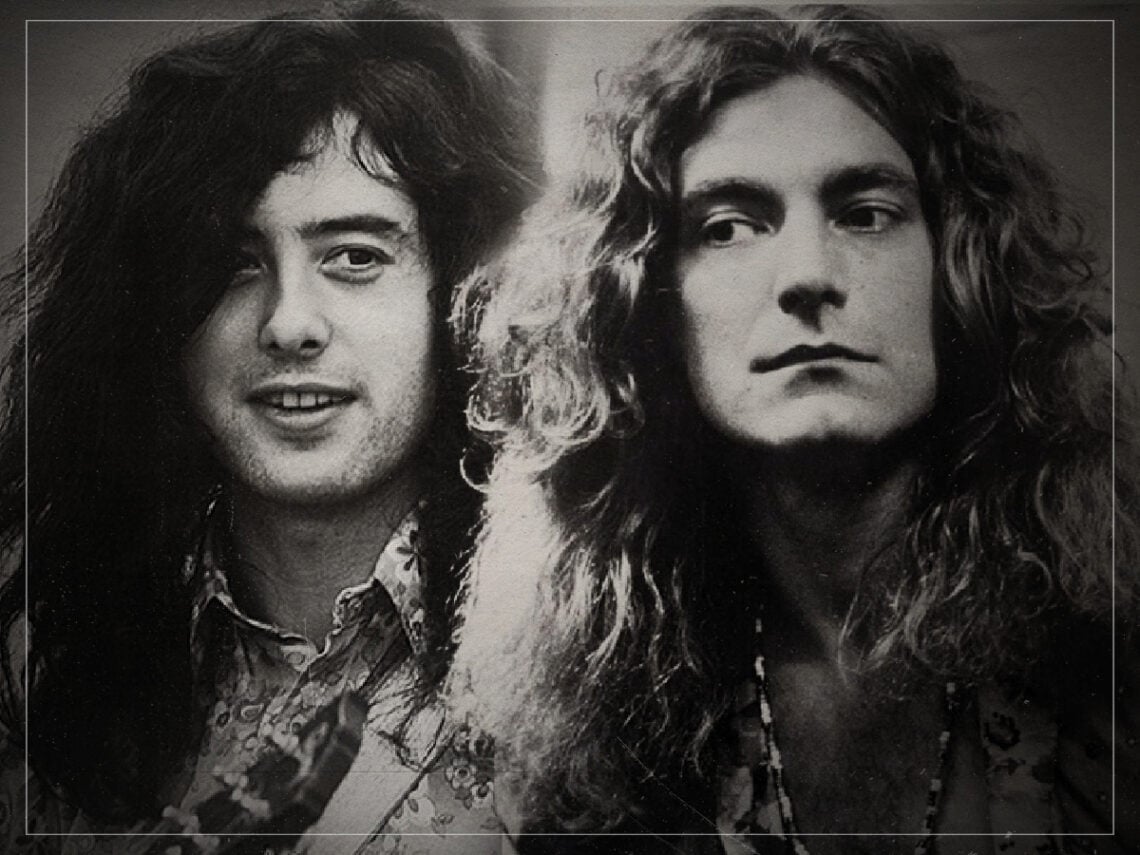
The exact moment in 1998 Robert Plant stopped working with Jimmy Page: “I’d just had enough”

Great friendships and global success never seem to go hand-in-hand, as the music industry has often shown. Partnerships that make up some of the best bands have spiralled into animosity as the heavy burden of greatness weighs down on the intimate trust of a real friendship. Think McCartney and Lennon, Simon and Garfunkel, even Robert Plant and Jimmy Page.
So, the two pillars of focus in Led Zeppelin didn’t have quite as dramatic a fallout as the aforementioned, but there was an inevitable wedge that drove between them in the later years of the band. After all, this was a pair of musicians who fronted one of the most rapid and glamorous rises to fame that music has ever seen.
From 1969 onwards, Led Zeppelin embarked on a collision course with rock immortality, selling out arenas all over the world and delivering a triumphant brand of music along the way. It was hard and fast, naturally spiralling into a sense of madness come the end. A whole host of problems came hurtling down on the band, as the ‘70s drew to a close and the music naturally sacrificed. That was rather acceptable, given just how difficult some of the personal consequences were.
Family deaths, car crashes, and crippling drug addictions brought the machine to a hurtling end in 1980, also appropriately marking the death of their enigmatic drummer, John Bonham. The dust from this rock and roll explosion needed serious settling for at least a couple of decades before the band could even think about reuniting in a musical capacity.
Page and Plant deemed the ‘90s as the moment that finally happened and set about working on a collaborative album, Walking into Clarksdale. Old wounds were attempted to be patched up by the raw Mississippi blues – a historic period that inspired Zeppelin and ultimately inspired this album title.
But it proved to be a flash in the pan. A record that showed time had healed but not regained, and so the Plant and Page partnership came to an emphatic and definitive end. “I just didn’t want to do it anymore,” Robert Plant remembered of the album’s aftermath. “I’d just had enough.”
Page didn’t share that despondency, and maybe that’s because his experiences of the Zeppelin finish weren’t as traumatic as Plant’s. He wanted to keep digging, even expanding the operation to being Zeppelin minus Bonham, but he was met with an emotional resistance that simply couldn’t overcome the musical intrigue.

Page elaborated on the issue, explaining, “I wanted to keep working, but Robert wouldn’t hear of it. Also, I wanted to eventually bring in John Paul Jones, but it was hard enough getting two of us together, never mind three.”
Thereafter, the reality of the Zeppelin counterparts was forged. Page toured with the Black Crowes, performing music from both of their catalogues, while Plant retreated to the much-deserved quiet, where his farm in the Wales countryside brought personal solitude, and the more humble return to music through a collaboration with his old Band of Joy guitarist Kevyn Gammond.

Never Miss A Beat
The Far Out Led Zeppelin Newsletter
All the latest stories about Led Zeppelin from the independent voice of culture.
Straight to your inbox.