


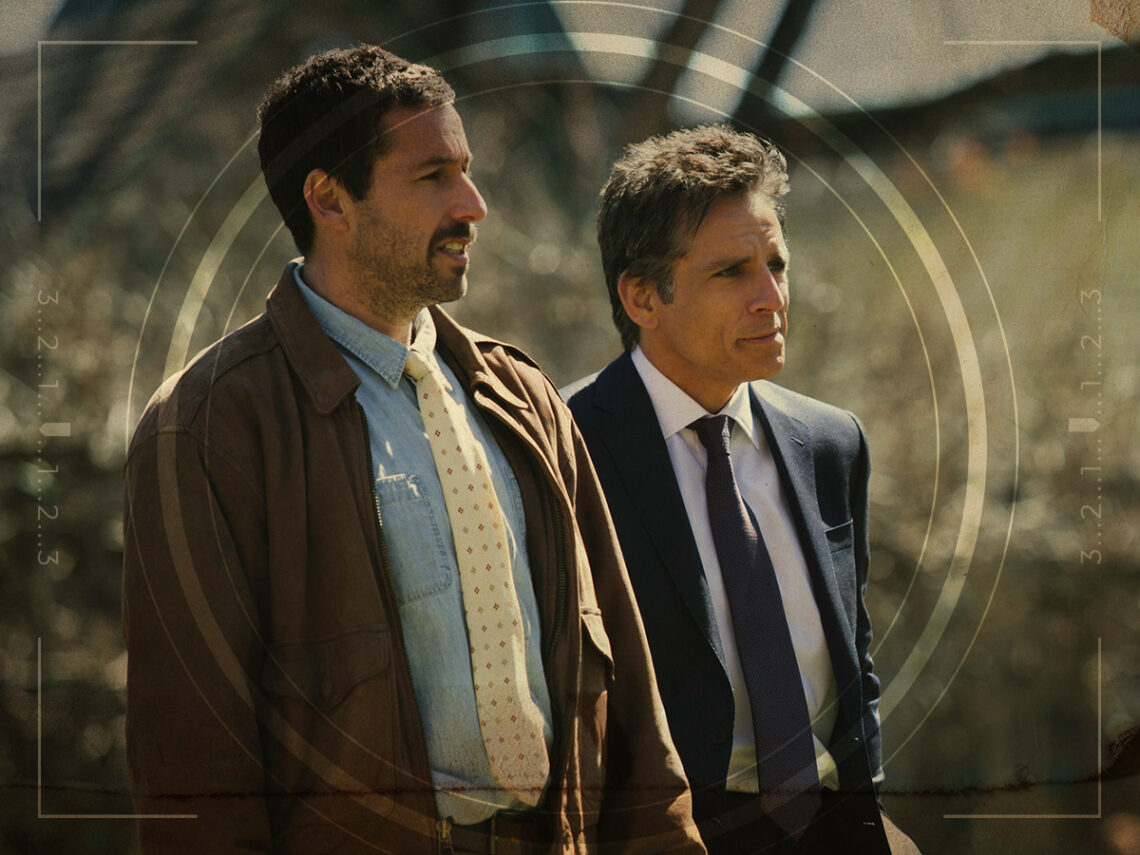
‘The Meyerowitz Stories’ is Noah Baumbach’s most underrated film

Noah Baumbach has had an interesting career trajectory in the last few years, with the director rising to prominence through his extremely low-budget family drama The Squid and the Whale, a loose re-telling of his parents’ divorce and how this shaped his early perception of marriage. This has become a recurring theme throughout his films, returning to the dissolution of love in his 2019 film Marriage Story, which has widely been cited as his best. But after reaching critical success with this project, the director expanded his traditional style into a slightly more experimental (and expensive) realm, collaborating with Netflix for White Noise, his highest budget film to date, which cost over $100million to produce.
Many filmmakers from the indie persuasion have betrayed their craft through high-budget collaborations with parasitic studios, with the likes of Greta Gerwig also following in similar footsteps and signing an eight-picture deal with Netflix to recreate the beloved Narnia series. However, we all know that an excess of money does not guarantee a good film or allow for creativity to thrive, with many filmmakers falling into this trap and being lured by the promise of financial freedom, which only damages their vision by over-indulging in an excess of convoluted ideas.
Baumbach slightly fell into this trap with White Noise, perhaps marking the end of an era for the indie filmmaker as he strays away from the genre upon which he based his entire reputation and style, instead making the bizarre decision to create an existential dread-infused action thriller about the end of the world. While trying something new is always impressive, especially when you’re associated with such a specific style, it also reflects something strange about the current landscape of filmmaking in which directors are being tempted away from their interests and true area of expertise for the sake of cash grab, with studios trying to lure in audiences through the novelty of seeing an action film directed by Baumbach or Disney film directed by the creator of Moonlight.
However, while Baumbach’s case is slightly different given that he was directing an original idea instead of brand movies/adaptations, who knows what lies in store for the filmmaker, and his next move will be most revealing as to the continued trajectory of his career and whether he will stay on the studio path.
But when pondering on his next move, I find myself hoping that he will return to what he does best – portraying complex family dynamics and the strained relationships within them, something that he arguably did best in is sorely underrated 2017 film, The Meyerowitz Stories (New and Selected).

The Meyerowitz Stories (New and Selected) follows an estranged family that gathers in New York for an event celebrating the artistic achievements of their father. Starring Ben Stiller, Dustin Hoffman, Adam Sandler and Elizabeth Marvel, it follows the individual relationship that each sibling has with their father and the many resentments they hold towards each other.
While many films fail to capture the contradictory perspectives of multiple characters, Baumbach has a unique knack for doing so, carving out space for each sibling while connecting them through an overarching thread. Each sibling has had a wildly different experience of growing up with their father, and while each one feels betrayed and hurt through his lack of praise or attention, they are ultimately drawn together through the hurt they all feel.
With masterful dramatic performances from the central trio of siblings, played by Stiller, Sandler and Marvel, we begin to understand the facades each one of them projects in front of their father and the reasons for their respective bitterness, charting the fallout and eventual reconciliation between them as they try to see their childhood from an alternate perspective and approach their individual pains with kindness instead of trepidation and contempt.
What most stands out about Baumbach’s writing of each sibling is his generosity and maturity in understanding the truth and simultaneous blind spots of each perspective, acknowledging their grudges while also poking delicate holes in their sometimes blinkered way of seeing things. This is perfectly encapsulated through the feud between the two brothers, who both have very opposing views on how to deal with their father’s declining health and see themselves as being the ultimate victims of his behaviour.
However, Baumbach eventually highlights the all-consuming nature of the male ego and how their close-mindedness prevented them from seeing the wider picture, with the true victim of their family being their withdrawn sister, who casually reveals that she was sexually abused as a child.
Baumbach has this ability to tap into the messiness of family dynamics with such ease and fluidity, imbuing each character with such authenticity and humanity, effortlessly weaving a narrative that forces us to empathise with every character through seeing their experiences from multiple perspectives. The director structures the film so that each sibling spends a certain amount of time as the main character, a unique approach that allows the audience to become fully immersed in the world of this family.
While it still has its flaws, it remains my favourite from his recent string of Netflix projects, returning to what he does best and creating a rich portrait of familial trauma, failure and reconciliation, resulting in a touching message about the pains that push us apart and how they can eventually bring us back together.
