


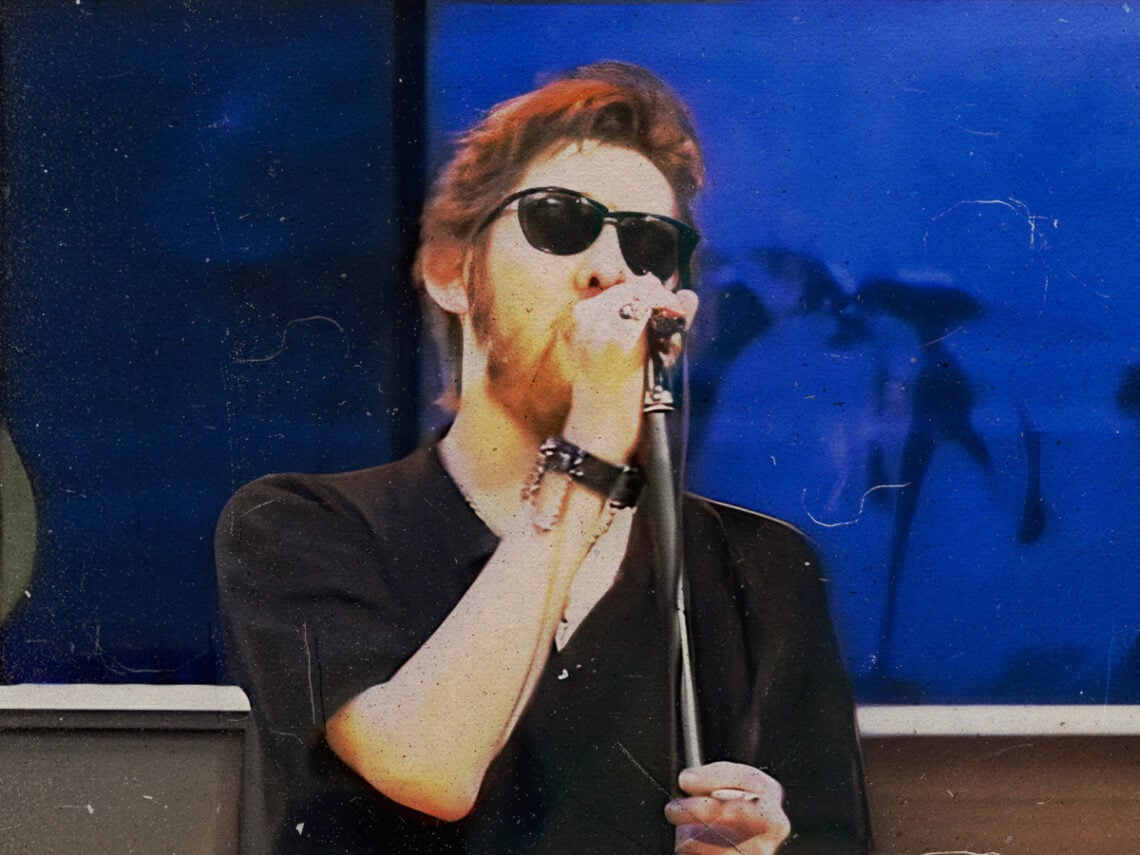
The lyric that inspired Shane MacGowan more than any other

Shane MacGowan was a figure unlike anyone else. The man lived and breathed music, possibly to his detriment. Claiming to be in tune with muses and connected to a long lineage of musical greats, MacGowan’s life was one lived for art. But when it came to his own inspirations, another artist always stood out as special to him.
When HMV launched their ‘My Inspirations’ campaign, hundreds of musical figures were asked to name their biggest musical idols. The answers were obvious as names like Leonard Cohen, Bob Dylan, David Bowie and Joni Mitchell were thrown around. Bobbie Gillespie of Primal Scream, on the other hand, actually picked MacGowan and The Pogues as his idol.
But when it came to MacGowan’s own answer, he didn’t pick some dizzying legendary idol he was always looking up to. Instead, he picked a peer: Nick Cave. In particular, he mentioned the lyrics to a lesser-known album track, The Good Son. “Now the bell-tower is ringing / And I shake on the floor / O Lucy, can you hear me? / When I call and call,” Cave sings as the chorus of the track ‘Lucy’.
It was a song that MacGowan loved. In fact, he treasured it so much that in 1992, he joined Cave to lend his voice to a new version of the track. When listening to the original, it’s easy to see why MacGowan would have such affection for the song. It sounds like it could be an old Irish folk number, or even a Pogues number. With lyrics about turning to the one you love with desperation and calling out for help, it feels well within MacGowan’s own artistic realm and interest.
The mutual admiration between Cave and MacGowan is well documented. After meeting in the 1980s, the pair struck up a friendship off the back of a chaotic roundtable interview with Mark E. Smith in tow. But even in this early meeting, they seemed to understand each other. “It seems to me that in your songs, Nick, you’re doing a Jung style trip of examining your shadow, all the dark things you don’t want to be,” MacGowan said to Cave.
“You’re exploring the world through the subconscious. I’ve done that on occasions for various reasons, whether it be illness or self abuse, or whatever. Once things start to look grotesque I don’t write them or sing them. I couldn’t write them the way you do, I couldn’t – making nightmares into living daylight,” MacGowan continued.
Drawing his own lines of relatability and affiliation between their work, MacGowan clearly saw a brother within Cave. But at the same time, he seemed to look up to the artist as a major source of inspiration.
“I think you do a pretty good job of it in some of your songs,” Cave responded, as the feeling was entirely mutual.
