


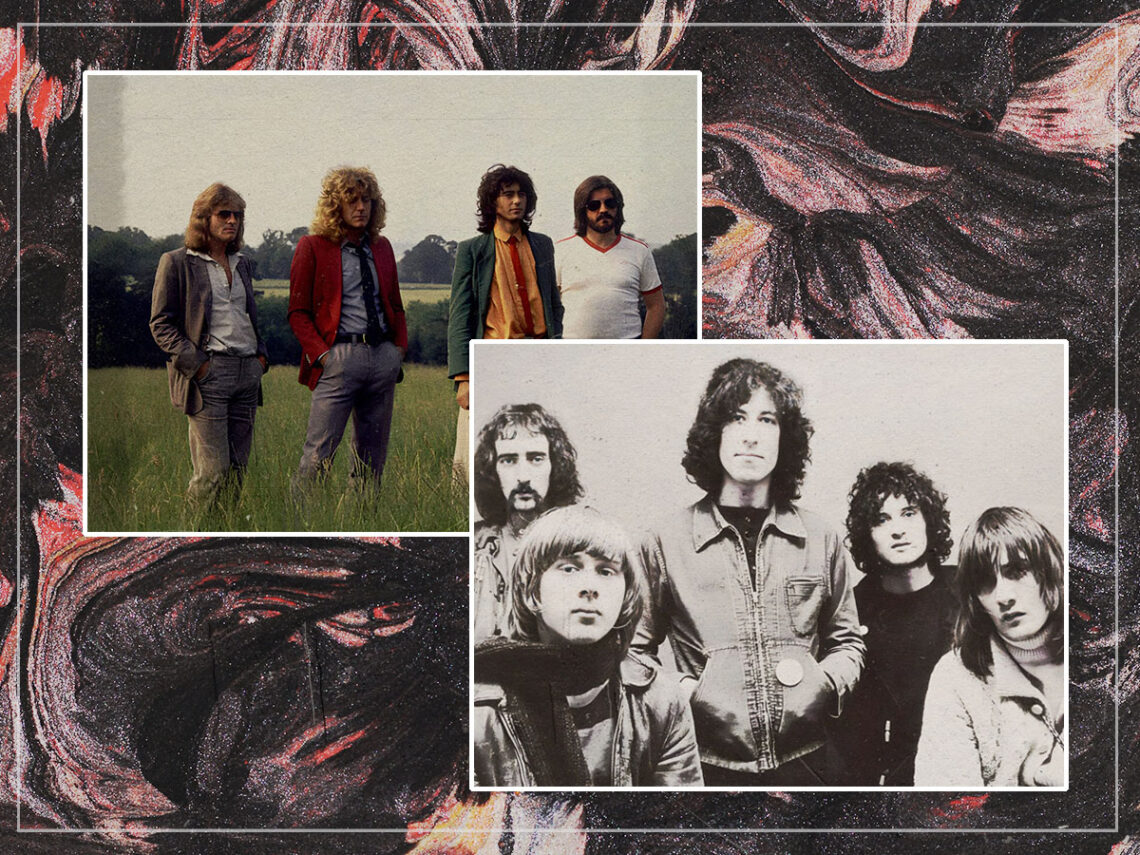
The 1971 song Led Zeppelin ripped off from Fleetwood Mac: “I guess”

Towards the end of the 1960s, no one had heard anything like Led Zeppelin before.
Even though the band may have been rooted in the same blues-infused foundations that birthed bands like The Yardbirds, the way that each of them interacted onstage made for a sonic force whenever they performed together, bridging the gap between hard rock and heavy metal without even knowing it. Although the band’s magic may have been hard to come by at the time, they never claimed to be the most original band in the world.
Part of Led Zeppelin’s genius lay in their ability to absorb influences and transform them into something entirely their own. While critics would later accuse the band of borrowing too heavily from blues and folk traditions, Zeppelin’s greatest achievement was often the way they reshaped familiar ideas into music that felt revolutionary.
From day one, the band’s penchant for penning great riffs was only matched by the amount of riffs that they stole from other people. Throughout their time together, Jimmy Page and Robert Plant were known for trying their hand at old blues standards or reworking those older songs into their demented riffs, like co-opting the standard ‘Killing Floor’ for ‘The Lemon Song’ on their second outing.
By the time the band had reached their fourth album, though, they had turned into a rock and roll tour de force. With little to no promotion to sell the record, Zeppelin’s untitled album would become their defining masterpiece, containing one classic after another on tracks like ‘Rock and Roll’ and their magnum opus ‘Stairway to Heaven’.

While the band did have one foot trailing back into the blues on the album closer ‘When the Levee Breaks’, John Paul Jones had one of the band’s most complex riffs up his sleeve for the song ‘Black Dog’. Featuring a cascading time signature throughout the verses, the tune’s structure is unusual for any standard rock and roll song, featuring the riff taking centre stage for most of the track with the vocals filling in the gaps between the track.
Although Page is happy to give Jones credit for coming up with the riff, he admitted there may have been some overlapping influence. Around the same time that Zeppelin was mining their typical hard rock songs, Page thought that ‘Black Dog’ bore a passing resemblance to what Peter Green was doing in Fleetwood Mac.
Having come on the scene concurrently with Zeppelin, Green’s unorthodox approach to typical blues made Fleetwood Mac a rock institution years before Stevie Nicks and Lindsey Buckingham were brought in. When listening to his contemporaries, Page thought the song ‘Oh Well’ may have subconsciously inspired them to construct their signature tune.
When talking about the vocal breaks in the song, Page recalled, “I guess if you want to say that we leaned on something as far as the structure of it, you remember ‘Oh Well’ by Fleetwood Mac, where it stops and there’s the vocal? So there you are…now they’ll sue us”. Despite the unconscious borrowing on Page’s part, the band make it their own by having a deceptive sense of timing.
As the riff plays out, the band turn the time around when the riff changes key, almost sounding out of sync with the drums before going back into the standard pattern on a dime. Even after Zeppelin, many other hard rock bands would use a similar technique, most famously used by Soundgarden in the verses of their song ‘Spoonman’. Led Zeppelin may have a reputation for being musical thieves now and again, but getting ‘Black Dog’ from ‘Oh Well’ is something that only seasoned rock veterans can pull off.
If anything, ‘Black Dog’ serves as a reminder that originality in rock music is rarely about creating something from nothing. More often, it comes from taking existing influences and pushing them into unexplored territory. Led Zeppelin may have borrowed a spark from Fleetwood Mac, but the fire they created remains uniquely their own.

Never Miss A Beat
The Far Out Led Zeppelin Newsletter
All the latest stories about Led Zeppelin from the independent voice of culture.
Straight to your inbox.