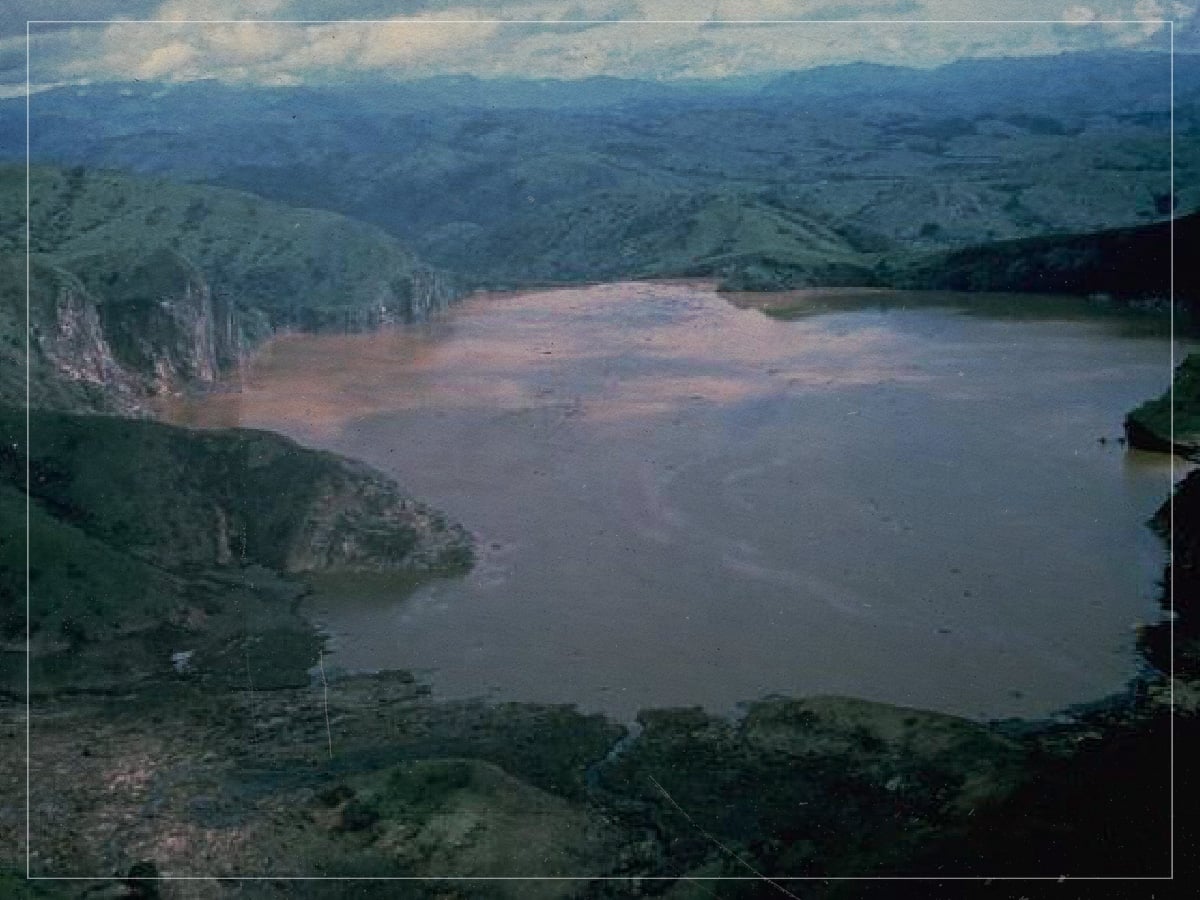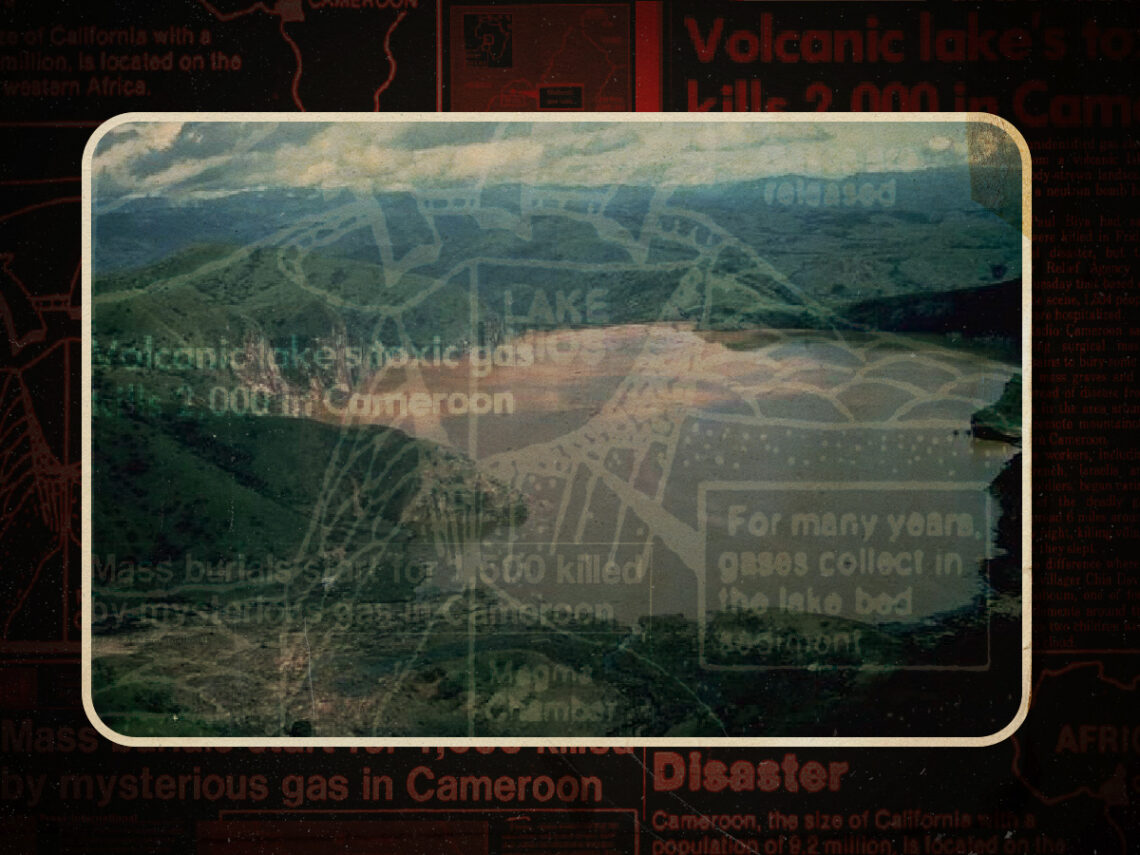
Lake Nyos: The lake that tragically killed 1,746 people in a single day

Mother nature is a dangerous mistress, and there are a variety of ways that we can perish in natural disasters, something people of Africa learnt 40 years ago when there was a horrific natural event that killed 1,746 people in an incident that will shock even the most hardened of readers.
This isn’t your usual earthquake, hurricane or tsunami, but something more unusual, and it killed in absolute silence in Cameroon, which sits in Central Africa. The 1986 disaster occurred in the North West of the country, at Lake Nyos, which is nearly 200 miles from the capital of Yaounde, shaking the country and the wider world, and changing how scientists understood Lake Nyos as well as the threat that similar lakes could harbour.
On August 21st, Lake Nyos quietly released a gigantic cloud of invisible gas into the atmosphere, and it wasn’t long until people and animals in nearby villages began to be asphyxiated by this limnic eruption, leading to 1,746 casualties, with thousands of animals joining them, decimating the local population. A deep volcanic crater lake, Nyos, was one of a few on the planet that was saturated with carbon dioxide, which came from sources deep beneath the surface, and while usually, lakes see water mix between layers, but Nyos was meromictic, which means that deep and surface water don’t frequently merge.
Deep below the lake, there’s magma, which slowly releases gases, resulting in carbon dioxide-heavy water stagnating at the bottom of the lake, the whole thing acting as a pressure cooker. The CO2 levels continue to grow and grow, due to the water of the Nyos not mixing, and eventually build to such a point that it becomes critical and it needs expelling, leading to a powerful surge up and out of the lake and into the atmosphere. In many ways, it looks like a shaken bottle of Coca-Cola exploded when you undo the lid.
Science wasn’t aware of this potential threat at the time, and it wasn’t until seconds before the disaster that there was any clue to the horrors that were set to unfold. Nearby villagers reported thunder-like rumbling noises just before the carbon dioxide burst from the lake, with estimates that between 100,000 and 300,000 tonnes of CO2 were released within minutes. There are even some reports that as much as 1.6 million tonnes could have been released in total.
Being 1.5 times heavier than air, the gas sat low and rolled down into nearby valleys, displacing the vital oxygen from the air, and, akin to a domestic gas leak, people remained unaware, due to its odourless, colourless properties, unable to breathe before they even understood what was happening. Cha, Nyos and Subum, all local villages, were overrun with victims meeting similar fates, and at 9:30pm, many were asleep when this happened, dying in their beds, seemingly peacefully.
The size and scale were unprecedented, and people up to 25km from the lake were caught in the net, such that, apart from the official death toll, it’s believed that the events caused significant respiratory distress and future illnesses in others, as well as a longer-term impact, with communities displaced and the local ecosystem being damaged.
It wasn’t the world’s first known limnic eruption, and it wasn’t even the first in Cameroon, with an incident at Lake Monoun killing 37 people just two years earlier, but it was the biggest and the most notable, and one which instantly caught the attention of scientists across the globe. The reason was quickly found, and people began to work on potential ways of prevention. In 2001, the addition of controlled degassing pipes was found as a solution. These are long, vertical pipes that are sunk down to the lower, gassier levels of the lake, which allow small amounts of deep water, and therefore air, to ascend, and a near-constant stream of CO2 to be released, effectively mimicking the limnic eruption but on a far smaller, and crucially, safe, level.
Now Lake Nyos is at a state of carbon dioxide equilibrium, but the disaster changed our understanding of limnic eruptions and the risks that gas-saturated lakes possess, which led to other lakes receiving the same treatment as a precaution, such as Lake Kivu, Africa’s sixth largest lake, between Rwanda and the Democratic Republic of Congo.
Life eventually resumed, and communities began to return near Nyos, with early warning systems added to help reduce the risk of a tragic repeat. The collaboration between scientists from across the planet acts as an important reminder that science can work together to fix issues and prevent recurrences with great success.