


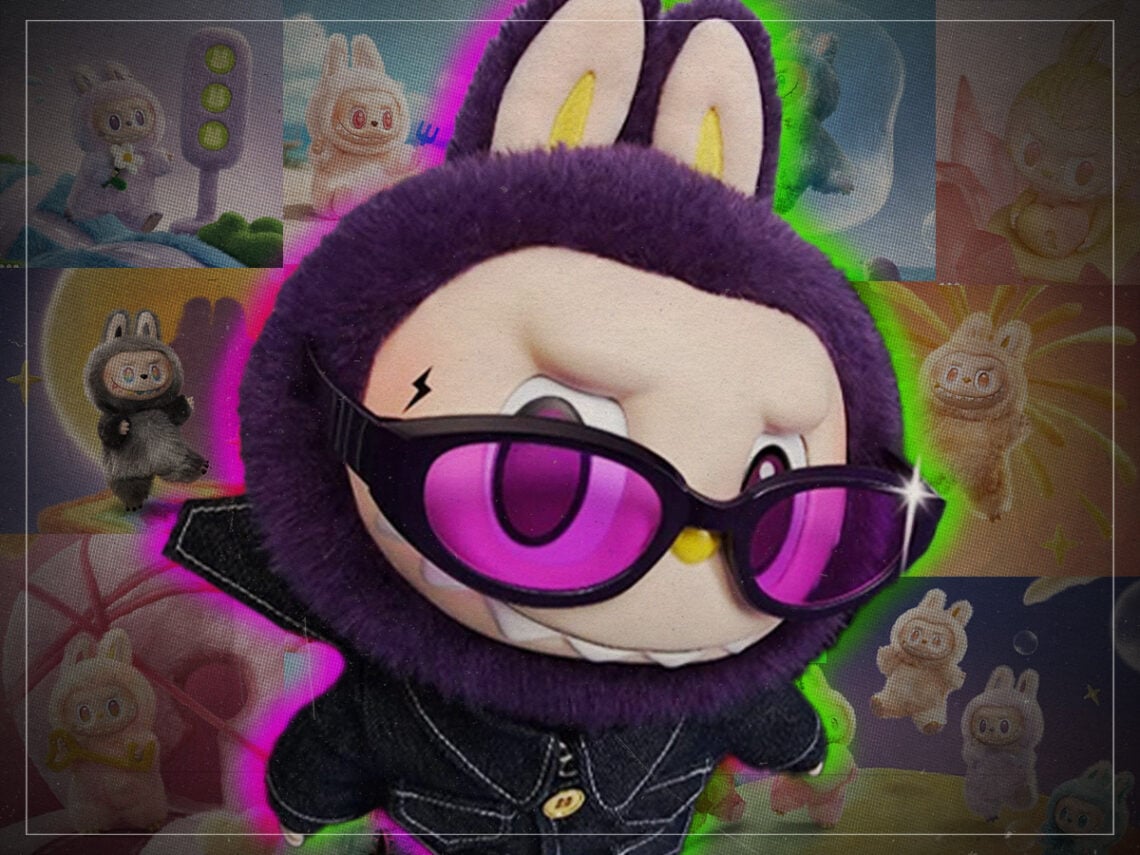
The Labubu frenzy: the ‘kidults’ phenomenon with cheap collectables

If you’re on TikTok, Instagram, YouTube or any other form of social media, like me, you might have been recently bombarded by photos and videos of “Labubu unboxing”, “Labubu hauls”, and children shrieking at the sight of these gremlin-looking furry toys.
The new ‘It Item’ plaguing my phone screen and millions of others is the Chinese Labubu toy. Just yesterday I was greeted on my morning TikTok scroll by a girl freaking out about giving Selena Gomez a customised Labubu with a Rare Beauty T-shirt in honour of the pop star’s makeup brand. This immediately enraged me, thinking I had spent two minutes of my precious two-hour-per-day scrolling limit watching this video.
But it’s not just regular people who are milling about the internet yapping about this pretentious plushy; it’s A-listers I love as well: Rihanna, Dua Lipa and Central Cee are just some of the celebs that have fallen for the trap, attaching them to their exclusive Birkin bags.
It all started with Lisa from Blackpink, a member of the famous South Korean girl band, who, in a Vanity Fair interview, confessed to her obsession with Pop Mart, a Chinese character-based toy store and prime seller of the ghastly Labubu.
I simply cannot understand the obsession with this fuzzy stuffed toy with its bulging, menacing eyes and spiky teeth that are akin to a drugged Cheshire cat. Who could possibly want to walk around with such a nightmarish figurine, let alone have it in their bedrooms…but it gets worse.
People dress them up, sometimes in customised designer clothes, basically treating them like their children. Since Lisa decided to expose her little obsession with Labubus, the world has gone outright rabid over them. Videos show how mile-long queues are swooping around shopping malls that sell the toys, with everyone from children to millennials desperate to get their hands on one.

Why is everyone suddenly obsessed with Labubu toys?
But buying a Labubu is not all that simple. Indeed, these toys fall under the category of ‘blind box toys’, meaning that when you buy one, you have no idea which one you are going to get. There are various collections of Labubus now; in addition to the regular designs, there are also ‘secret edition’ ones, which are rarer and sought-after by collectors.
In terms of finances, one of these toys usually costs around £30, but the rarer breed can cost almost triple. It isn’t just these toys that are sold in this mysterious way, but a lot of collectables adopt the ‘blind box’ approach because it ensures that you are addicted to getting them. The theory behind it is much like gambling, where the thought of a better or desired outcome keeps one spinning the wheel, or, in this case, buying boxes. The Chinese government was so concerned about this addiction to collecting mystery toys that in 2023, it introduced stricter regulations, banning their sale to children under eight.
Shopkeepers have been frantically restocking their aisles with the toys weekly, but in the blink of an eye, they are sold out. So, those who are unsuccessful in getting one of these Hong Kong-designed fur babies, or don’t want to splash the cash, resort to dupes and knock-offs like Lafufus or Fauxbubus, which are surprisingly less creepy.
What’s more, the Chinese haven’t stopped patting themselves on the back since just recently, Wang Ning, the CEO of Pop Mart, made $1.6 billion in a single day merely from Labubu sales. The previous year saw extra success with the superstore making $703 million. And who can they thank for this? Americans.
Yes, that’s right, Americans have long been obsessed with Asian stationery, toys and fashion, which is quite ironic given the extortionate tariffs that have recently been imposed and modified every other day by Trump on China.
However, this week, every Labubu addict’s nightmare has come true. Pop Mart declared on Instagram that they would be pausing sales of the toys in the UK: “To ensure the safety and comfort of everyone, we will temporarily pause all in-store and roboshop sales of plush toys until further notice”. Fear not, Labubu lovers, you can still purchase your toys online.
But where does this obsession with cheap collectables come from? This phenomenon is not that new and has been around for decades. Our older readers might remember the Beanie Babies craze or the Cabbage Patch Kid riots of the 1980s. That’s right, the sheer obsession with yet another ugly toy almost led to stampedes in stores in New York City in 1983.
More recently, the collectables trend keeps turning every other year. First it was Moshi Monsters, then Mini Brands, and since last year it’s been Sonny Angels—those small naked baby figurines with different hats—and Jelly Cat plushies. The constant and ever-increasing preoccupation with collecting toys has been studied by psychologists who argue that the activity is a sense of escapism for millennials and Gen Z, who seek a return to a nostalgic lost childhood. This has given rise to the ‘kidult’ phenomenon.

Collecting toys is a stress relief from the worries of adult life, while also creating a small personal space for the expression of the identity of one’s inner child. In 2024, Melissa Symonds, the executive director of Circana, a market research company that specialises in toy sales, said that toys purchased by adults “accounted for £634m”, which is 18% of all toys on the market.
Rightfully so, toy companies have been using this to their advantage, gearing many of their toys towards an older age demographic. Symonds argues that the global pandemic also worsened the toy-collecting phenomenon, as people locked in their homes sought unusual ways to entertain themselves, with online shopping being one of the only forms of fun.
But kidult activities reveal a darker reality. First, people are increasingly choosing to express themselves through what they wear, own or carry (like a Labubu) than through who they are. This places greater importance on what one sees on the surface as a measure of value than who one actually is.
Additionally, psychological studies have proven the change and evolution in the human mind following addiction to cheap collectables, causing problems not just for your mind but also for your wallet. People anxiously wait to see what toy they are going to get, then they’re either disappointed, prompting them to buy more until they get what they want, or they feel instant gratification from getting the one they want, which undoubtedly proves a quick hit of euphoria, prompting them to spend more money on other toys. I, like many, find this to be an extremely hollow and worrying form of happiness-hunting.
Then what happens when collecting that specific toy is no longer trendy, and we start to move on to the next trend on the conveyor belt? Most of these cheap collectables are low in playability because they are usually accessories or decorations, meaning that interactivity with customers is low and decreases after a certain amount of time. Thus, they have a short period of novelty, which leads to people throwing them away as quickly as the time they spent getting and enjoying it.
I could go on about the severe environmental damage that this naturally results in, but I think my much-needed tirade against the cheap collectables trend, and especially the Labubu, can end here.
