


The James Cameron feud at the centre of ‘The Abyss’

Presumably, James Cameron decided early on in his filmmaking career that water was going to become a recurring theme, although it stands to reason he was not stricken by that epiphany while making his feature-length debut on Piranha II: The Spawning.
Try as he might have done at the time to get his name removed and then subsequently distance himself from the low-budget horror sequel, history will always remember the man who continuously reinvented the face of cinema through technological and digital innovations as having arrived on the scene by helming a gratuitous schlocker about killer fish.
Not that it dissuaded Cameron from indulging his love of the sea, though, and that extends far beyond The Abyss, Titanic, and Avatar: The Way of Water. Proudly proclaiming that he’s spent more time on the infamously sunken ship than its own captain, the Academy Award winner has spent enormous amounts of time and resources indulging his love of underwater exploration away from the bright lights of Hollywood.
In addition to the briny deep becoming a hallmark of his work, Cameron’s productions are often characterised by tensions on set, with the director developing a reputation for pushing his cast to their physical and mental limits in the name of realising his imagination on-screen. The crew of Titanic being spiked by PCP had nothing to do with him, but Ed Harris refusing to speak about his experience on The Abyss for years definitely did.
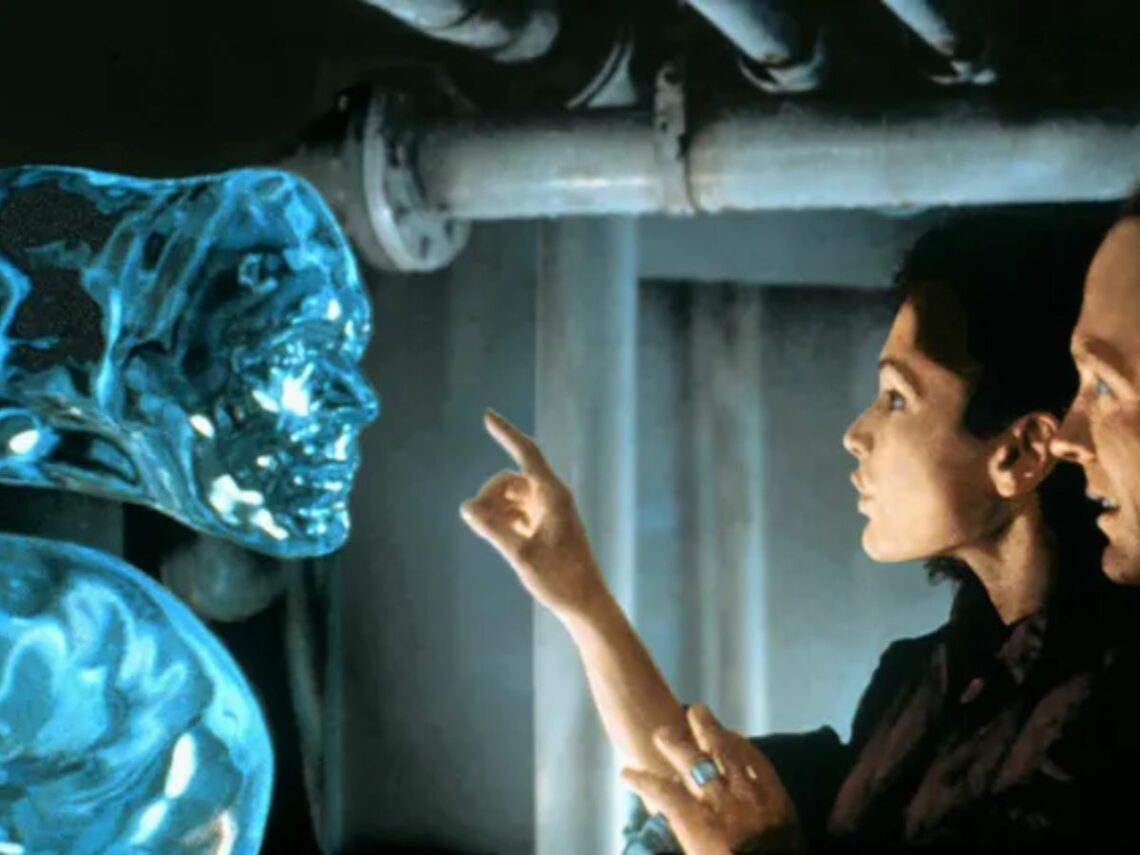
Under normal circumstances, the aquatic sci-fi’s pioneering use of the first fully digital creation that took six months and dozens of effects artists to bring to life would be the recipient of the most headlines, but instead, the torturous shoot that placed several cast members into genuine danger ended up inadvertently becoming the lasting legacy of The Abyss.
Movies have shot in, around, and under water for decades, but Cameron being Cameron, he decided to push the envelope. The key players only had one week of intensive training before cameras started rolling in the specialised tanks used by The Abyss, but his insistence that it be ready ahead of schedule caused it to spring a leak on the very first day.
For one particularly intense sequence, Harris’ character Bud Brigman uses breathing fluid to submerge himself even deeper into the ocean, but seeing as the technique had only ever been rigorously tested on animals – with the rat seen in the film surviving – he wisely opted against ingesting the liquid in favour of simply holding his breath.
Still, that didn’t prevent him from referring to himself and co-star Mary Elizabeth Mastrantonio as “guinea pigs” in an interview with Entertainment Weekly because “Jim wasn’t quite sure how this was all going to go down”. He even ended up slapping her in the face as part of a resuscitation scene, only to discover the camera had run out of film and wasn’t even recording the intense exchange.
At one point, Harris found himself breaking down in tears and sobbing uncontrollably on his way home from set on account of the rigours of matching Cameron’s vision, and allegedly even punched the director in the face for his demand to continue rolling even when the leading man found himself in real danger of being drowned in the name of entertaining audiences.
Although he changed his tune eventually, Harris once stated that “I’m not talking about The Abyss and I never will,” such was the lasting impact it had on him as a person and performer. Cameron regularly likes to cast his favoured stars in a number of projects, but having only collaborated that one and only time with Harris, it’s right there to be inferred that the simmering tensions between the two swore them off ever entering each other’s orbit again.
