


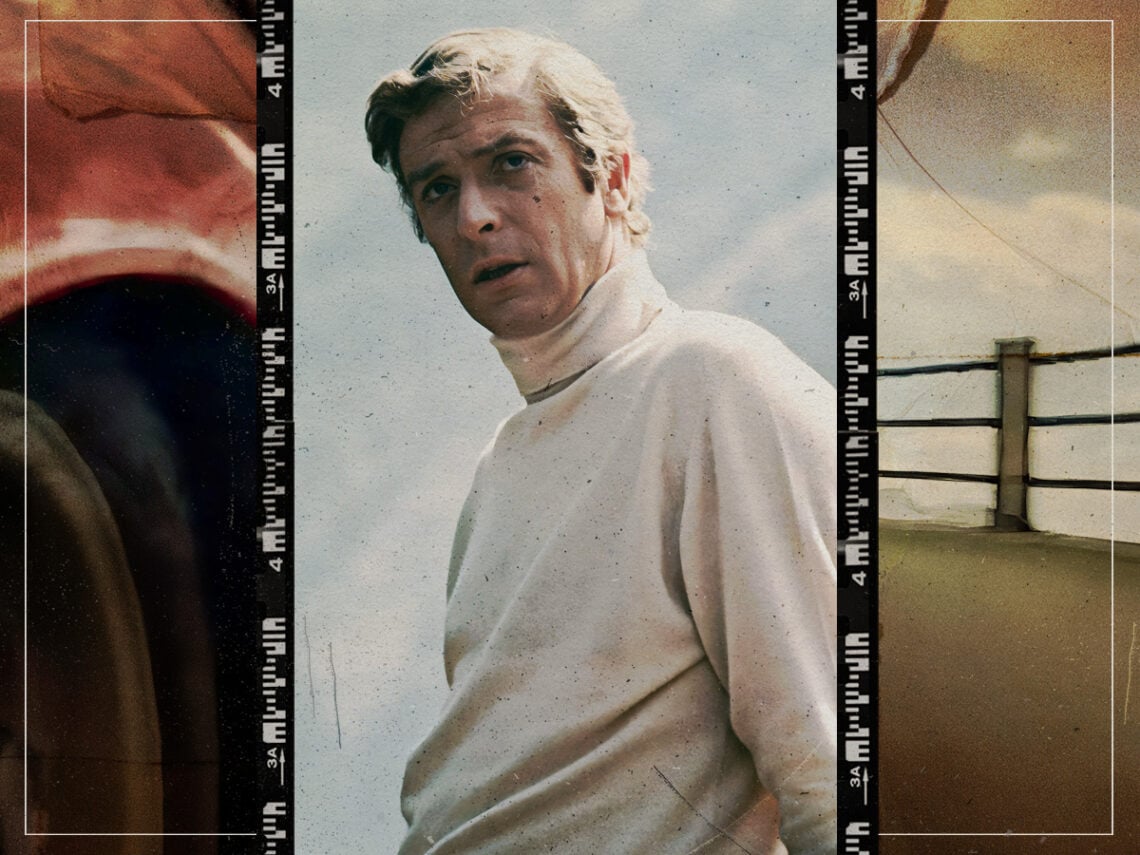
‘On Days Like These’: why ‘The Italian Job’ has the perfect opening scene

Mini Coopers, Michael Caine and a soundtrack provided by Quincy Jones: The Italian Job has virtually everything you could want from an action film. Opening credits scenes are often underutilised within blockbusters, especially during the 1960s. Often, these scenes would merely be composed of a blank screen overlaid with names, interspersed with shots of the cast or setting. For the opening of The Italian Job, on the other hand, director Peter Collinson created a masterpiece.
As the screen fades up with picturesque imagery of the Italian Alps and the audience hears the first roar of a Lamborghini Miura, Collinson wastes no time in establishing the film’s manifesto. Over the next four minutes, the audience is taken on a journey through the hairpin bends of the Great St Bernard Pass, high up on the mountain roads, following this unidentified character in an expensive Italian sports car. As is to be expected for an opening credit scene, the screen is soon awash with the names of the production crew and staff, but among the mountains and the sound of Matt Monro, it is difficult to really pay attention to them.
A big part of what makes the opening scene so infectious is the backing music, Matt Monro’s ‘On Days Like These’. The velvety tones of the English crooner act as a kind of guide through the mountains. On a deeper level, though, the culmination of the ethereal track with the engine sounds of the Miura and the stylish shades of the driver creates an endlessly cool atmosphere, which continues throughout the film.
The swinging sixties is viewed – perhaps with rose-tinted spectacles – as a vibrant new era for British culture. Characterised by stylish new music and modernist fashion, the decade is among the coolest periods in British social history. In many ways, The Italian Job is representative of that period. Everything from Quincy Jones’ soundtrack to the wardrobe of Michael Caine screams 1960s modernism, creating a ruthlessly stylish atmosphere for the film. That atmosphere is immediately established within the opening credits scene, helped along by Matt Monro and those mountain roads.
Collinson’s shot choices are particularly commendable in the opening sequence, too. Whereas many mainstream directors of the time would simply have had the Lamborghini flying past the camera from varying angles and locations, the director placed the camera inside the vehicle. This technique was likely inspired by the revolutionary filming style of new wave cinema, which had become more widespread during the 1960s. You could draw definite parallels between the opening of The Italian Job and certain sequences within the work of Jean-Luc Godard or even Jerzy Skolimowski’s Le Départ.
As a result of being inside the car, for the most part, the sequence feels much more natural and organic, giving the audience a sense of the surroundings and the journey of this unidentified figure. To an extent, you become attached to the man in the driver’s seat, which makes what happens towards the end of the sequence all the more radical. After all, The Italian Job is an action film. It is not all going to be tranquil drives through the Italian Alps.
When the Miura disappears into the inky blackness of a tunnel, to be met with an explosive end at the hands of the Italian mafia, the movie is perfectly teed up. Over the course of a seemingly inconsequential four-minute sequence, Collinson succinctly and effectively conveys the mood and manifesto of the entire feature. When it comes to conversations surrounding the incredible 1969 film, the bulk of discourse surrounds either the admittedly impressive car chase or the famous cliffhanger ending, but the opening credits sequence is just as worthy of praise, if not more so.
You can have your own arguments about whether The Italian Job has aged well or not, but the opening scene remains an undisputed masterpiece.

Never Miss A Tale
The Far Out Michael Caine Newsletter
All the latest stories about Michael Caine from the independent voice of culture.
Straight to your inbox.