


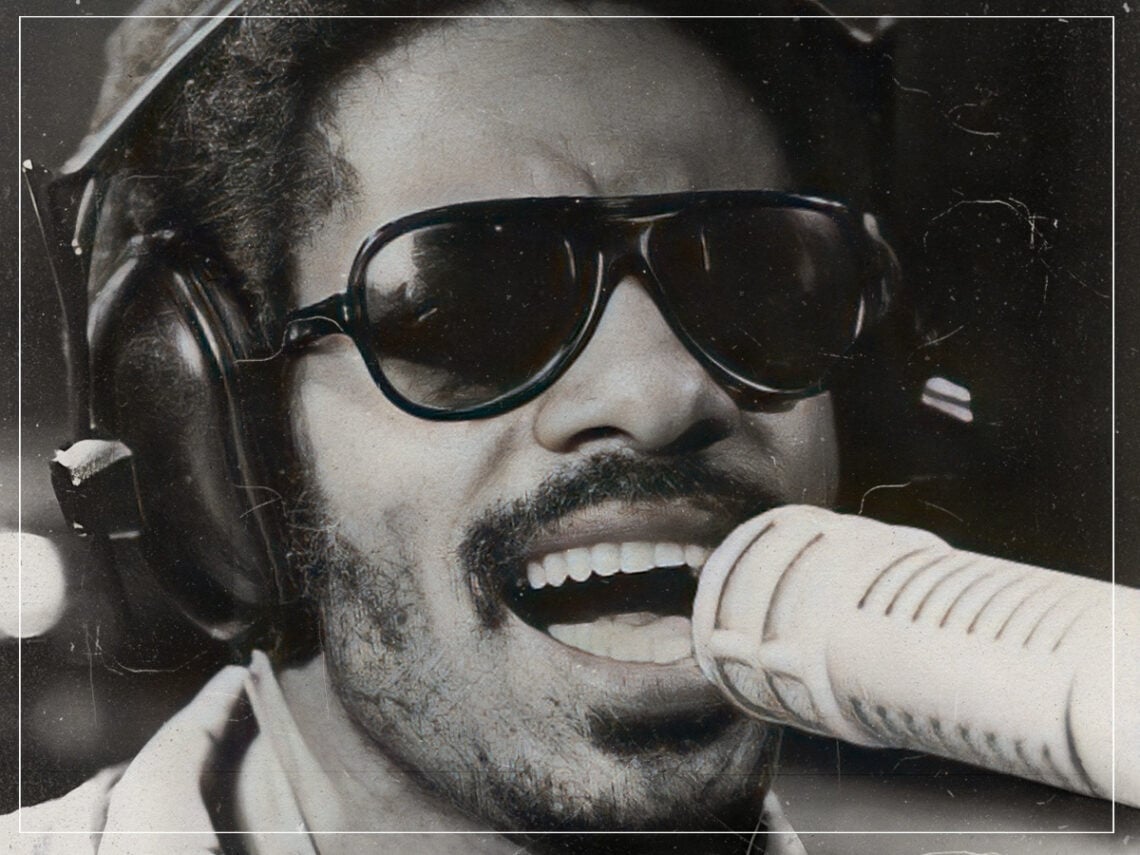
The iconic 1970 pop song Stevie Wonder called a pure “expression of love”

For Stevie Wonder, a great song doesn’t have to be sonically complex or a deep dive into social or cultural issues. Most of the time, it’s about the simple art of feeling.
It’s like the first time he discovered his favourite artists – many of whom are those familiar big vocalist types whose voice carries most of their emotional appeal, like Sam Cooke and Ray Charles, or, namely, anybody who can seemingly deliver a good, angelic melody that expresses a path for “the heart to follow”.
“I think the voice has a lot to do with your spirit,” Wonder once said, adding that, “If the spirit feels right, the voice will stay pretty consistently the same from that point of maturity.” Singers like Cooke, then, represent something far beyond the simplistic nature of playing or performing music, instead venturing into spiritual territory, the kind that isn’t always easily explained by simple descriptions.
Many people regard Wonder in the same way. As one of soul’s most defining figures, Wonder’s main selling point has always been his voice, though a close second are his words and stories, many of which are characterised by the same simplicity that gives space to some of the biggest and most relatable everyday musings, like love and belonging, or loss and grief.
However, he also has the power to carry multiple interpretations in both his lyrical and musical compositions, ticking all the boxes that regularly come with labels like “genius” or “innovator” – especially when looking at some of his more straightforward hits, and how many also come accompanied by sections you wouldn’t necessary expect of, say, a simple love ballad.
‘Isn’t She Lovely’, for instance, isn’t exactly conventional in its structure, but it’s a song people still frequently revisit. And it’s because Wonder simply has it all, hitting all the pillars of what he himself considers the ultimate symbol of greatness, like presenting something simple yet with multiple twists and turns that leave lots to unpack.
This is also part of the reason why Wonder first became endeared to Elton John. Like most of us, Wonder fell in love with John’s voice and his words, but beneath all of that, and despite the seeming simplicity of his performance, there was much more at play. As Wonder once explained to Billboard, John had such a “great voice” that it left him wanting to “hear more”.

He also recalled the first song he heard being the one that broke John onto the scene – ‘Your Song’ – and praised it as the ultimate “expression of Love”, adding, “The piano playing I liked, the arrangements I liked. It was just great.” Funnily enough, John appreciates his musical comrade just as much, once saying that he even “eats me for breakfast as far as musicianship goes”.
It makes complete sense, then, that the pair would cross paths more than once over the years. Kindred musical spirits in almost every sense, Wonder and John share the exact same vision when it comes to timeless music, specifically with cross-blending different threads of romanticism and sociopolitical contemplation, and occupying that special middle ground where angelic melodies leave a lasting impression, simply because of the simple art of feeling.
