


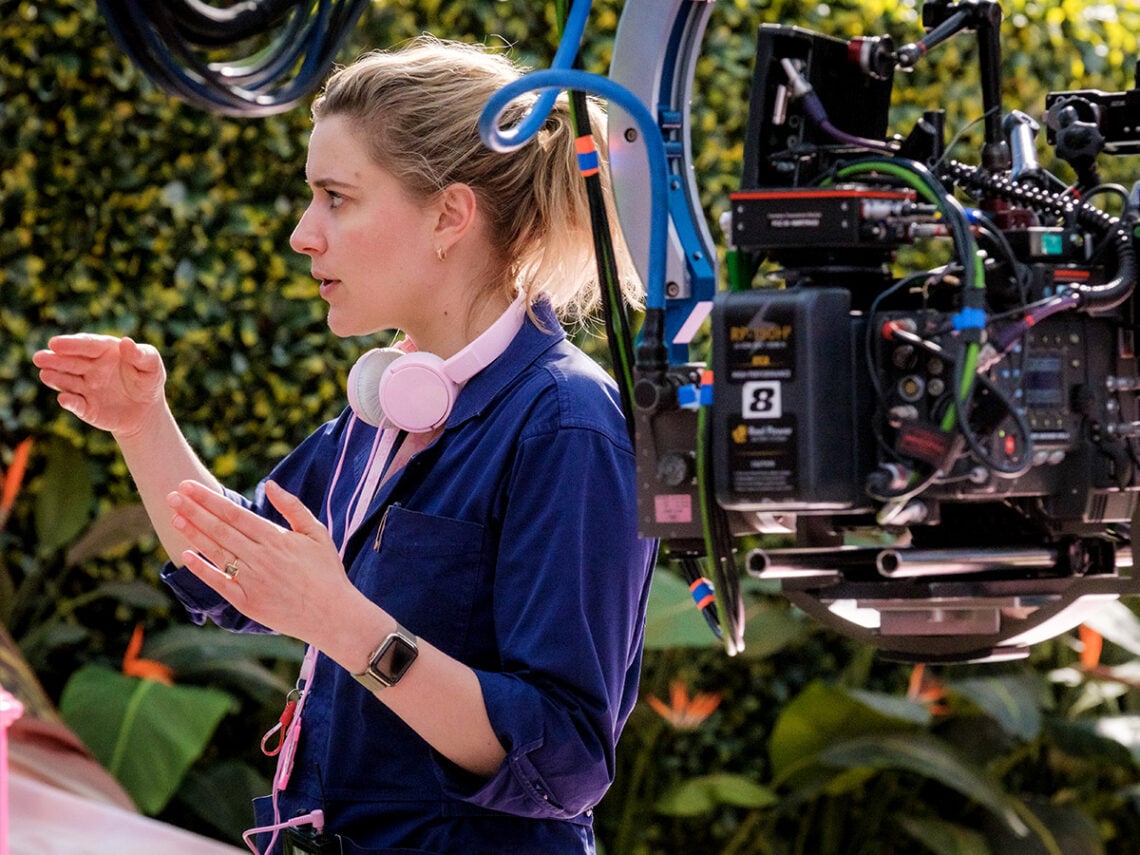
The iconic Greta Gerwig line that she heard on the subway: “I wrote it down. And I put it in the movie”

Greta Gerwig might now be a studio filmmaker, working with Netflix on an eight-picture deal to adapt The Chronicles of Narnia series, but her roots lie in independent filmmaking as one of the pioneers of the mumblecore movement.
Starring in low-budget films like Hannah Takes The Stairs and Baghead, Gerwig began her cinematic journey as an actor, later trying her hand at writing and working with partner Noah Baumbach on the screenplay for Frances Ha.
Now considered a cult classic gem from the 2000s, nobody knew that this would then become the start of a huge journey for Gerwig, going on to discover her love for directing and crossing over to the other side of the medium. While we now know her for blockbuster hits like Barbie and her adaptation of Little Women, Gerwig’s first venture behind the camera came with her coming-of-age dark comedy, Lady Bird.
Directed in 2017, Lady Bird follows teenager Christine who is desperate to escape her small-town life and make something of herself in the big city, often butting heads with her slightly abrasive mother.
At the time, Christine’s story made space for girlhood in cinema, with few stories centring the inner worlds of teenage girls, something that was made all the more hilarious and touching through Christine’s often temperamental and feisty nature.
There are countless moments in the film that deeply resonated with audiences, such as the protagonist’s strained relationship with her mother and the desire to escape her roots for want of something bigger, only to find herself missing both as soon as she made it out.
But many people will describe the hilarity and strangeness of the opening scene, in which ‘Lady Bird’ has an argument with her mother in the car and attempts to hurl herself out of it while she is still driving, complaining about her life and all the things she wants to do.
When discussing this, Gerwig explained how inspiration had struck from a very organic place while travelling on the New York City Subway, saying, “I was actually on the subway in New York, and I heard two teenage girls talking. One of them said to the other, ‘I wish I could live through something’. And I laughed, and I wrote it down. And I put it in the movie. Because I think that’s such an understandable feeling, particularly for teenagers, this feeling like life is happening somewhere else but not to you.”
For anyone who’s grown up in a small town and longed to escape, to find a space that fits your motivations and ambitions or allows them to grow wings, it’s a very relatable feeling that Gerwig herself has captured through the nostalgic qualities of the film.
The filmmaker expanded on her motivations to capture this side of growing up, saying, “I wanted to explore the fact that I think when you’re a teenager, you’re trying to figure out who you are through the reaction of other people. It’s reaching for a definition of oneself through relationships. And sometimes, rejecting the ones that are close to you because you are sure that someone else is better; someone would reflect a better self to you. It’s like that wanting to be reflected back as cooler than you are somehow.”
