


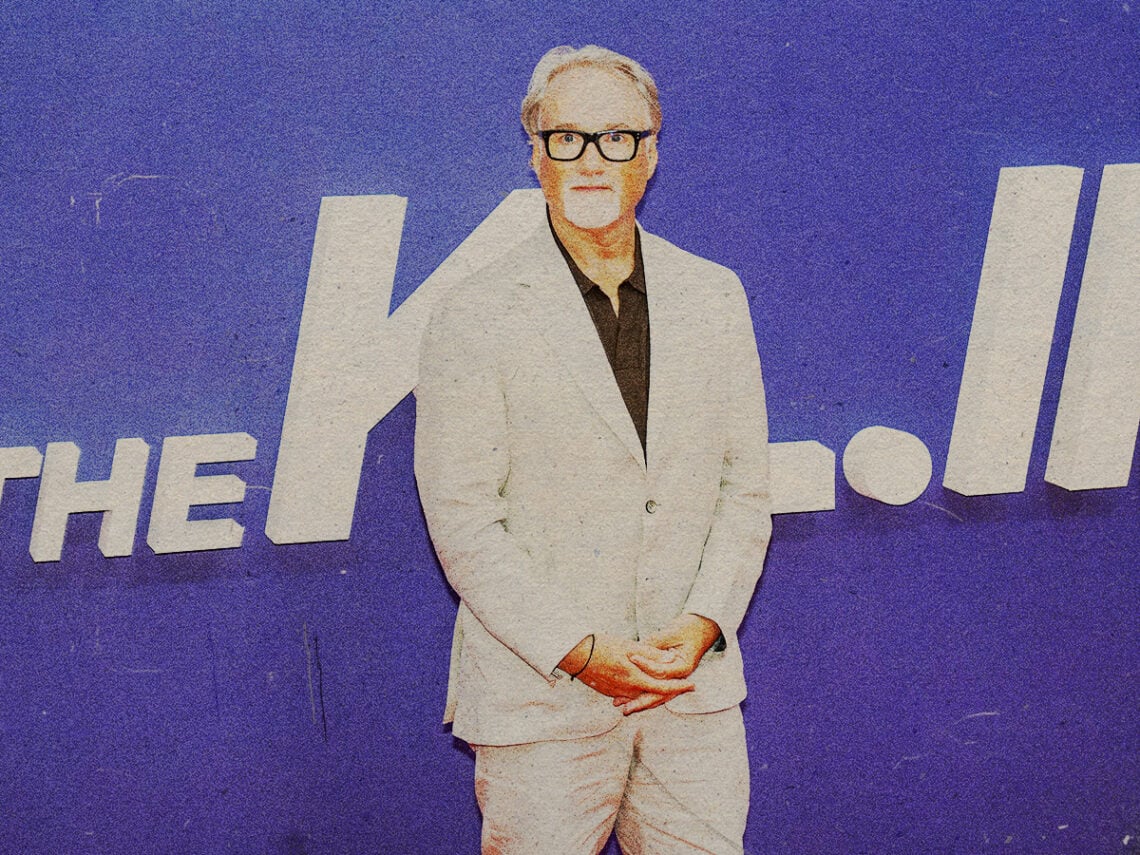
The horror movie David Fincher called “the best”

Trying to understand how David Fincher’s filmmaking operates is like removing the face of a well-crafted Swiss watch and witnessing the intricate mechanics spin in perfect motion inside. There’s a clinical approach to Fincher’s process – with snappy dialogue, precise camera framing, and meticulous use of sound gelled with incredibly fine-tuned editing, it makes watching a Fincher picture an unmistakable experience.
The combination of all these things also creates a somewhat austere and cold final product and something resembling horror. Fincher has never made an out-and-out horror movie, and Seven is probably the closest the director has come to the genre, but his films are certainly cast in its murky shadow. So when Fincher shared with A Frame the horror movie he thought was the “best ever”, it certainly caught attention.
Fincher’s crime thrillers Seven, Zodiac, and Girl With The Dragon Tattoo, all serial killer mysteries, definitely flirt with the horror genre. But it can even be seen in flashes within his brilliant – and very funny – The Social Network. Aaron Sorkin’s sharp script certainly lays the groundwork for the film, but Fincher’s nuanced approach of channelling Jesse Eisenberg’s detached and deadpan delivery, fused with the hallmarks of Fincher’s propulsive filmmaking, created an incredibly creepy and unsettling depiction of the Facebook origin story.
According to Fincher, John Carpenter’s cult classic horror Halloween from 1978 is his favourite. For those unaware of Carpenter’s most famous picture, the story follows a masked killer, Michael, who kills his mother on the night of Halloween and, after spending 15 years in a mental asylum, escapes in 1978 and goes on a terrifying killing spree. Halloween, which stars Jamie Lee Curtis and Debra Hill, was an immense success and essentially invented the slasher genre, acting as the blueprint and the catalyst for the huge wave of ‘slasher’ pictures that followed all the way up until the 1990s.
Halloween had a total of 12 sequels that came out after its release, the latest, Halloween Ends, coming out 44 years after the original in what is a testament to Carpenter’s early brilliance. Halloween, however, is indeed very, very scary. The masked madman’s incredibly slow and almost comical walk towards the terrified Jamie Lee Curtis as she desperately tries to get her keys in the door, where she delivers the classic line “The keys! The keeeeys!” encapsulates true terror. Carpenter’s sparse and jarring score of piano keys and droning synth also beautifully keeps the tension and panic at edge-of-your-seat levels throughout.
It’s this feeling of dread that Fincher finds so impressive within Carpenter’s film and why he refers to Halloween as the greatest. He elaborates on this when chatting with A Frame, stating: “Debra Hill and Jamie Lee Curtis’ teens were the first real ones I think that I had seen. A murky sense of culpability imbues every thrilling steadicam P.O.V. with heretofore unknown dread — whilst its “relentlessness of evil” metaphor in Michael Myers was pure and twisted glee.
Interestingly, there are also some subtle nods to Psycho within Halloween. Jamie Lee Curtis’ mother had a role in the Alfred Hitchcock classic, and Carpenter names the psychiatrist in his film Sam Loomis, which is also the name of a character in Psycho. It’s an intriguing trail of breadcrumbs that runs through the genre, leading you to the seminal classics that helped shape the films that followed them.
