


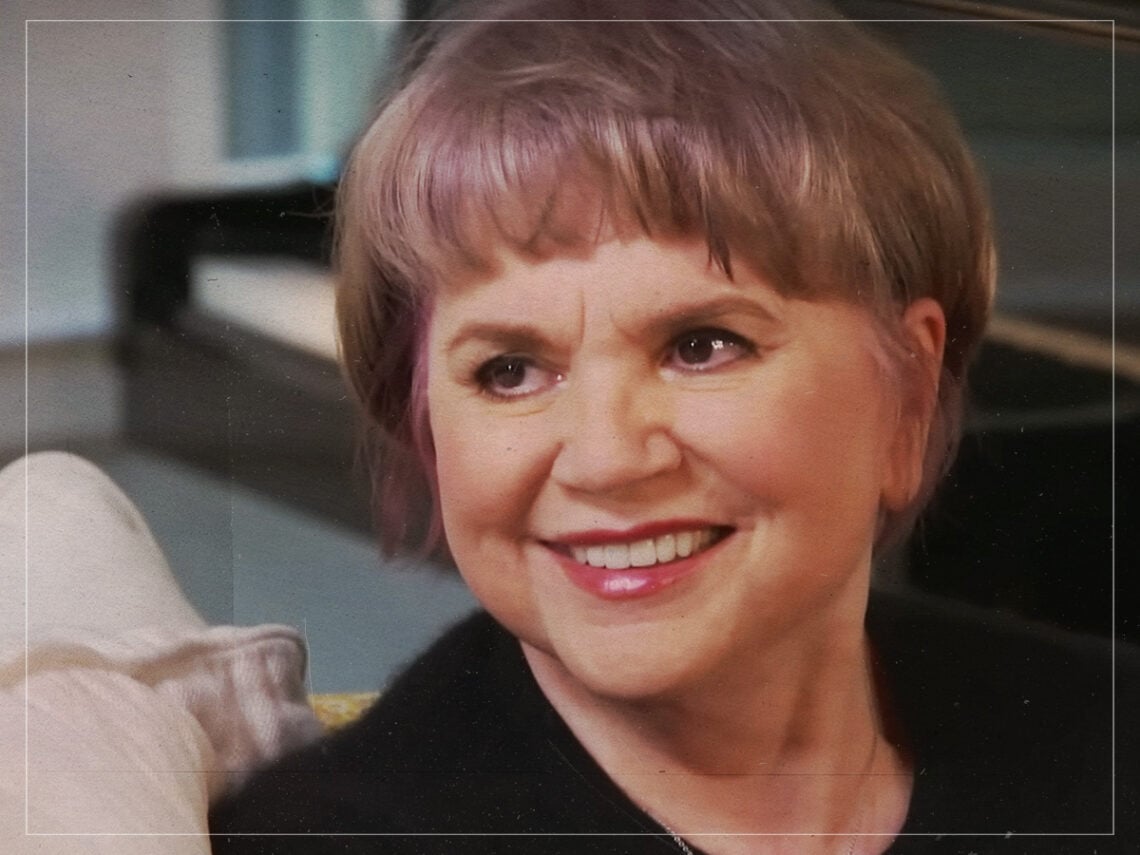
“Too corny”: The hit song Linda Ronstadt almost scrapped

No matter what anybody says, being corny either works or it doesn’t. Most of us try to avoid it, like it is somehow a badge of honour that proves we’re worthy of respect. Why, therefore, if it’s such a bad thing, do the corniest songs often end up being the most popular? Linda Ronstadt isn’t someone usually associated with clichés, especially not ones that reduce her music to mere banality, but one song felt a little too close to what some might scrunch their noses up at.
In life, being corny isn’t the worst thing you can be. In fact, sometimes it’s quite comforting to see someone acting corny, even if it comes across as what some of the youngsters might call “millennial” behaviour. In those scenarios, however, you have to ask yourself: what’s wrong with that? If someone’s biggest turnoff is how much they show emotion, why is that a bad thing? Should people try harder to spend whatever time they have left being lifeless forms on a dull planet?
That said, being corny is embarrassing. It’s undeniable. It’s the one trait most of us with self-awareness fight tooth and nail to push away, the one thing that most of us think about when we get to the end of another long day: “God, I hope I wasn’t cringey today.” Perhaps that’s anxiety speaking, or maybe it is a commonly shared experience—hoping and praying you came across as cool as a cucumber at all times—but in music, there’s often more space to poke around in the ripples of what constitutes “corny”.
But that’s only if that space is pre-agreed upon in the first place. Some artists get torn to pieces for it, others get commended for it, but somewhere in the middle, there are those trusty authentic figures that, no matter what they do, will always be seen as “cool”. Linda Ronstadt is one. Weirdly, she’s never felt that way herself, but that only adds to the fact that that’s exactly what she is, ignorant of her own magnetism, like the caterpillar that became the butterfly.
It comes as no surprise, therefore, that Ronstadt is also oblivious to her own corniness, even when it presents itself to her, clear as day. This made itself known when she first heard ‘Heart Like a Wheel’, when her manager told her it was “too corny” to earn respect. “I just thought they were the most beautiful lyrics I’d ever heard,” she told The New Yorker, an excitement that no doubt got quashed the moment her then-manager tried to pour cold water over it.
In this scenario, however, it’s clear that they had simply misinterpreted its gorgeous melody and heartfelt harmonies as something to be ashamed of, as not only did people love Ronstadt’s version of ‘Heart Like A Wheel’, it also became a live staple, one that people waited for with wide-eyed admiration, hoping that, for one special moment, they could feel the one thing the anti-corny will likely never know: the in-the-moment bliss of feeling, and letting it show.
After all, corny either works or it doesn’t. But in music, when it comes from a place of pure emotion, perhaps that isn’t the right word. Perhaps the right word isn’t something that represents showing yourself up, but showing up for yourself instead. In that way, no one can ever accuse perceived “corniness” of being a bad thing, especially not when Ronstadt is in front of the microphone.
