


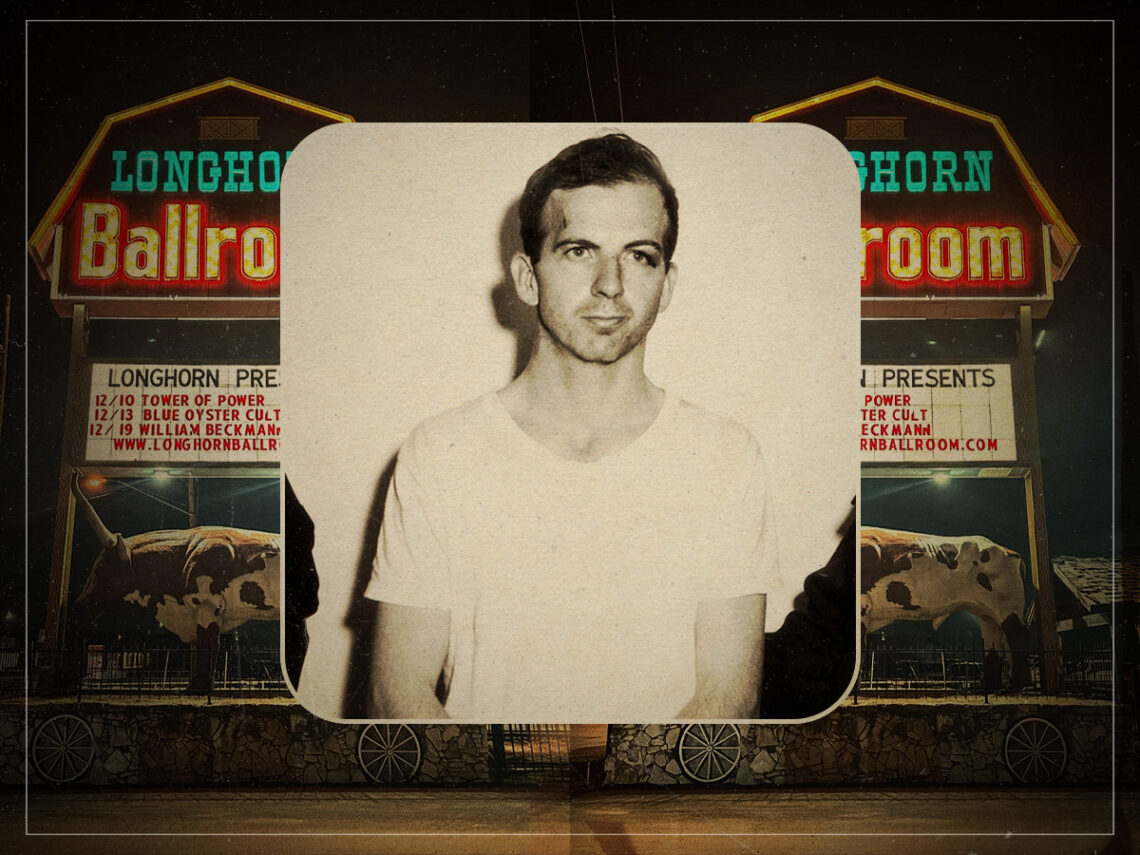
The Longhorn Ballroom: The hip nightclub owned by Lee Harvey Oswald’s assassin

It might not have the rebellious reputation or worldwide recognition of a CBGB or Whisky a Go-Go, but the Longhorn Ballroom in Dallas, Texas, has seen just as much talent pass through its doors, and probably a comparable amount of debauchery.
Founded in 1950s as Bob Wills’s Ranch House, the club started life as the home base for the ‘King of Western Swing’ Bob Wills and his band the Texas Playboys, but it quickly evolved into a fascinating melting pot for the prevailing sounds of the 1950s and ‘60s, hosting not only the biggest names in country and western music, but also legendary jazz, blues, R&B, and rock acts.
Very early on in the venue’s existence, it was acquired by a 40-year-old club owner named Jack Ruby, an intense fella with ties to the mob in his hometown of Chicago. “He was cocky, and he had a harem of pretty girls around him,” country singer and eventual Longhorn Ballroom owner Dewey Groom said of him in a 1988 retrospective in the Dallas Morning News, adding, “It was prestigious to know Jack Ruby.”
In the same piece, former Dallas columnist Tony Zoppi talked about being introduced to Ruby at the club, which was still known as the Ranch House at the time. “There was Jack, all decked out in a white cowboy outfit,” he recalled, “entertaining and telling jokes. But there were only about seven or eight people in the place. Afterward, he came over and said, ‘Hi, I’m Jack Ruby from Chicago. Right away, he started dropping names, Irv Kupcinet of the Chicago Sun-Times and Dingy Halper, owner of the Chez Paree. I found out later he didn’t know these people.”
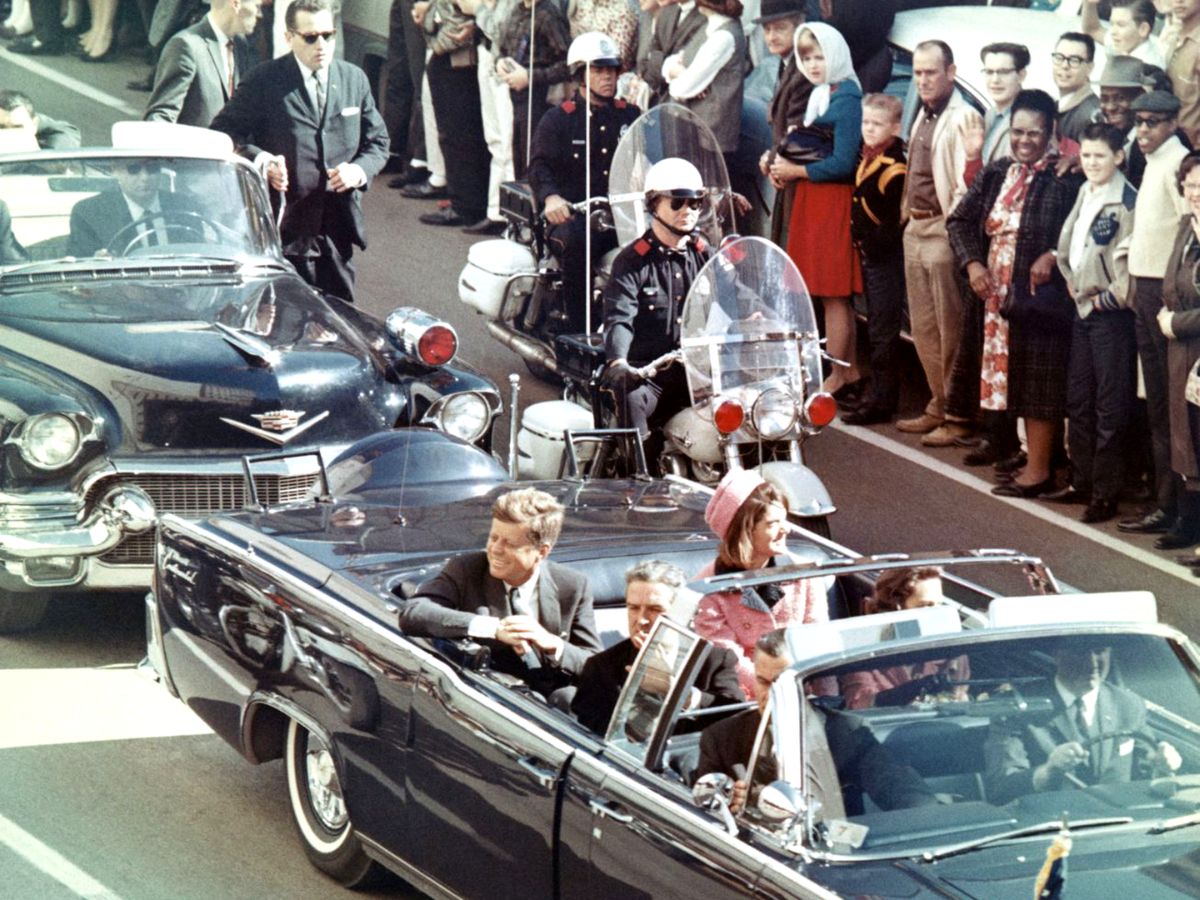
Ruby was the kind of smarmy businessman who said a lot of things and rarely backed them up, which was until 1963, when he said he was going to kill President Kennedy’s alleged assassin Lee Harvey Oswald, and actually went and did it, giving him eternal fame, or infamy, as one of the strange characters and great trivia answers in American political history.
The morbid appeal of the Jack Ruby connection has become considerably overblown in the telling of the Longhorn Ballroom story, however. He struggled mightily running the club concurrently with another Dallas venue, the Silver Spur, and he sold his majority ownership by 1953, meaning he was only involved with the Ranch House / Ballroom for about a year.
This also means that some of the credit that’s been retroactively given to Ruby for hosting African American performers at the Ranch House is potentially overstated, as the appearances of Count Basie and Nat King Cole, and later Ruth Brown, Ray Charles, Bo Diddley and a host of other stars, occurred mostly after he had bailed [he later owned the Carousel Club in Dallas at the time of Oswald’s shooting].
It was Dewey Groom, who took over in 1958 and owned the club for nearly 30 years, who rechristened it the Longhorn Ballroom. During his management, the venue thrived, becoming a must-stop for touring country stars, including Patsy Cline, George Jones, Johnny Cash, Loretta Lynn, and all the other A-listers of the genre. What made it considerably different from, say, the Grand Ole Opry, however, was a willingness to put on a diverse array of other types of shows, too.
A famous photo from 1978 shows the Longhorn Ballroom’s marquee advertising the infamous Dallas stop on the Sex Pistols’ ill-fated American tour, with outlaw country legend Merle Haggard listed as the next performer coming to town. This was the notorious Pistols show in which a cowboy threw a bottle that cracked Sid Vicious’s nose open, and he continued to play with blood streaming down his face. A decade after that, the venue was the site of a melee when the controversial rap group 2 Live Crew refused to go on stage, leading to an angry mob situation and numerous arrests.
In the 2000s, the Longhorn Ballroom fell into disrepair but was recently renovated under new ownership as well as added to America’s National Register of Historic Places in 2024, and is back to hosting big names once again, its legacy cemented.
