


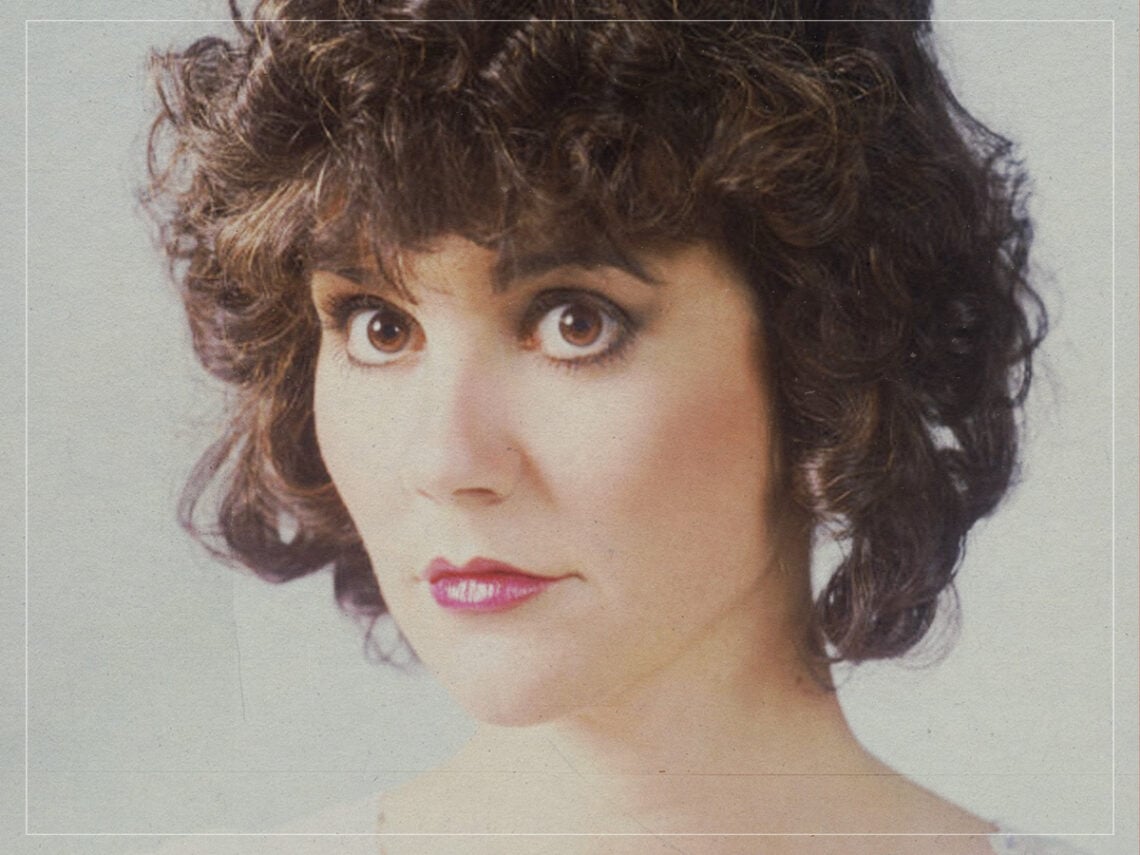
The hardest album Linda Ronstadt ever worked on: “This is as good as it gets”

Some of the greatest songs come down to the way that two artists work off each other. Anyone can claim to have all of the musical swagger that they need to get through a tune, but when two people are singing their songs back to each other or having a conversation with their instruments, it’s a lot easier to relate to what they are getting at whenever they hit that emotional apex during one of their songs. It’s never easy to find that kind of musical chemistry, but Linda Ronstadt could truly claim to be spoiled when it came to some of the best musicians in the business.
Granted, there’s a good chance that most artists would have given anything to be able to play on a song with her voice. Ronstadt had the kind of tenderness and strength in her voice that could leave any other musician stunned, and while she had the good fortune of featuring on songs by Neil Young, it’s almost a power move for her to treat the rest of the Eagles as backing musicians during her first incarnation.
Both Don Henley and Glenn Frey could have made fabulous harmony lines together, but whenever they came in singing ‘Love Sick Blues’ or ‘Nightingale’, there was no one paying attention to anyone else but Ronstadt when she sang. So if someone is that talented with only their voice, what the hell was she going to sound like when she went outside the realm of rock and roll?
Anyone who breaks their genre conventions is going to be playing with fire, but Ronstadt never felt that she should be tied down to any one thing. Even if it was considered career suicide in many respects, going on Broadway for a time or trying her hand at singing Mexican songs totally in Spanish helped expand her audience in a completely different way. Fans may have been perplexed, but if she really wanted to turn some heads, she was going to work with one of the best artists that she knew.
Outside of working on country-pop music, Ronstadt always had a soft spot for those Rosemary Clooney records from her youth, and that meant listening to the work of Nelson Riddle. His arrangements were what made some of those standards come alive, and when he agreed to work on a record with her, Ronstadt felt that she couldn’t ask for anything more.
The sound that she heard in her head was always Riddle’s arrangements underneath her voice, and hearing him working felt like reaching musical Nirvana for her, saying, “The standards were really hard. There’s no room for forgiveness. You can’t be an inch out of tune. Your voice is completely exposed. It was really hard but it was worth it when I got to when I was singing and I wasn’t thinking at all. The first time I ever started singing with Nelson Riddle and the Orchestra, I just thought, ‘This is heaven, this is as good as it gets.’”
And for someone who primarily worked in the world of traditional pop music, Riddle never bothered trying to phone it in. These are the kind of arrangements that George Martin would have been proud to have made, and even if they weren’t in touch with the times, it was better for Ronstadt to follow her muse than get caught up with whatever MTV was showing at the time.
Ronstadt could have easily spent her time singing country music, but the fact that she worked this hard to bring this album to life was all a part of her musical identity. She wanted to reach out for different influences, and it didn’t matter if two people bought it or 20,000 people did as long as she believed in what she was singing.
