


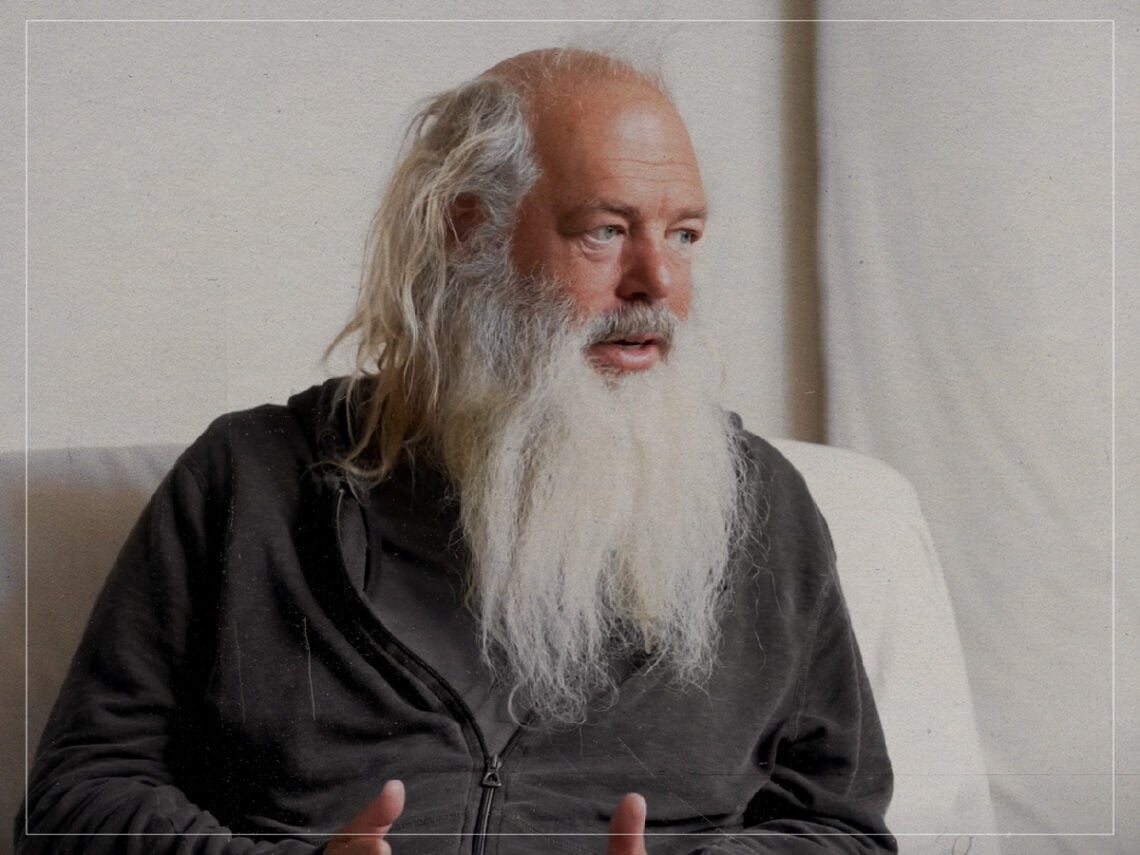
The hard rock band that made Rick Rubin leave hip-hop: “My first rock record!”

The number one rule of working with Rick Rubin is that absolutely nothing is off the table.
From the first moment he fell in love with music, he didn’t want to put parameters around himself, and some of the greatest albums that he ever made are the kind that feel like they could go in any one direction depending on which song you’re listening to. But even if he moulded himself into one of the most versatile producers that the world has ever seen, he will forever go down in history as the one helping to bring hip-hop to the mainstream.
You have to remember that hip-hop wasn’t exactly the most respectable genre in the world in the era of the Sugarhill Gang. There were many artists who had something to say, but even if it took a while for Rubin to help break a band like Run-DMC, he wanted to make sure that everyone could appreciate them the same way that he could appreciate his favourite rock and roll bands back in the day.
Because when you listen to a lot of those early records Rubin was involved with, it was almost like he was making rap with a rocker’s mindset. Public Enemy were using the samples the same way that Jimi Hendrix used a wah-wah pedal, but if he could put that kind of crushing production around a band that didn’t even have guitars, The Cult was his first experience with a band that had everything that he was looking for in a group.
Technically, Aerosmith was one of the first bands that he championed when working on the remix that Run-DMC did of ‘Walk This Way’, but The Cult were like a hard rock band that the 1970s never got to appreciate. Ian Astbury had an almost Gothic Jim Morrison impression going on whenever he sang, and when looking at the kind of record that they ended up with, Rubin started to think that he could venture out into other genres instead of being the king of hip-hop.
With The Cult, he finally found another outlet for himself after getting done with the album Electric, and he felt that there was a whole new world that he hadn’t yet explored, saying, “Electric was my first non-rap record – my first rock record! Everything I’d made up to then was created in the studio with machines and scratching, pretty much doing all the music myself. Electric was my first collaborative effort with a band. It ended up being more exciting. For the majority of time since, I’ve made more of those kinds of records.”
And when looking at his track record, the fact that Rubin was able to make as many left turns as he did was like watching a production version of David Bowie. No one could have even imagined the same person who made classics for Beastie Boys suddenly turning around and working with everyone from Tom Petty to Johnny Cash, but lo and behold, Rubin was always the one there, always stroking his beard and letting the artist know what they needed to make to sound like themselves again.
All coupled with the fact that Rubin barely manages to do anything that seems to require effort in the studio. No one would have blamed you if you thought that he was a spiritual advisor in every one of his projects, who was only listening to see if the vibe was right, but that’s not usually the case. He’s not going to pick up a guitar and start rewriting songs or anything, but you can tell that he has a clear idea of what the song should be doing sometimes before the rest of the band does.
He might have learned the ropes of that kind of production style when deciding which samples to use and how to structure a lot of his best songs, but what Rubin was learning was about more than putting together a decent hip-hop break. It was about finding the essence of what the audience wants to hear, and he was willing to spend the rest of his life chasing after that same kind of musical high that made people go crazy.
