


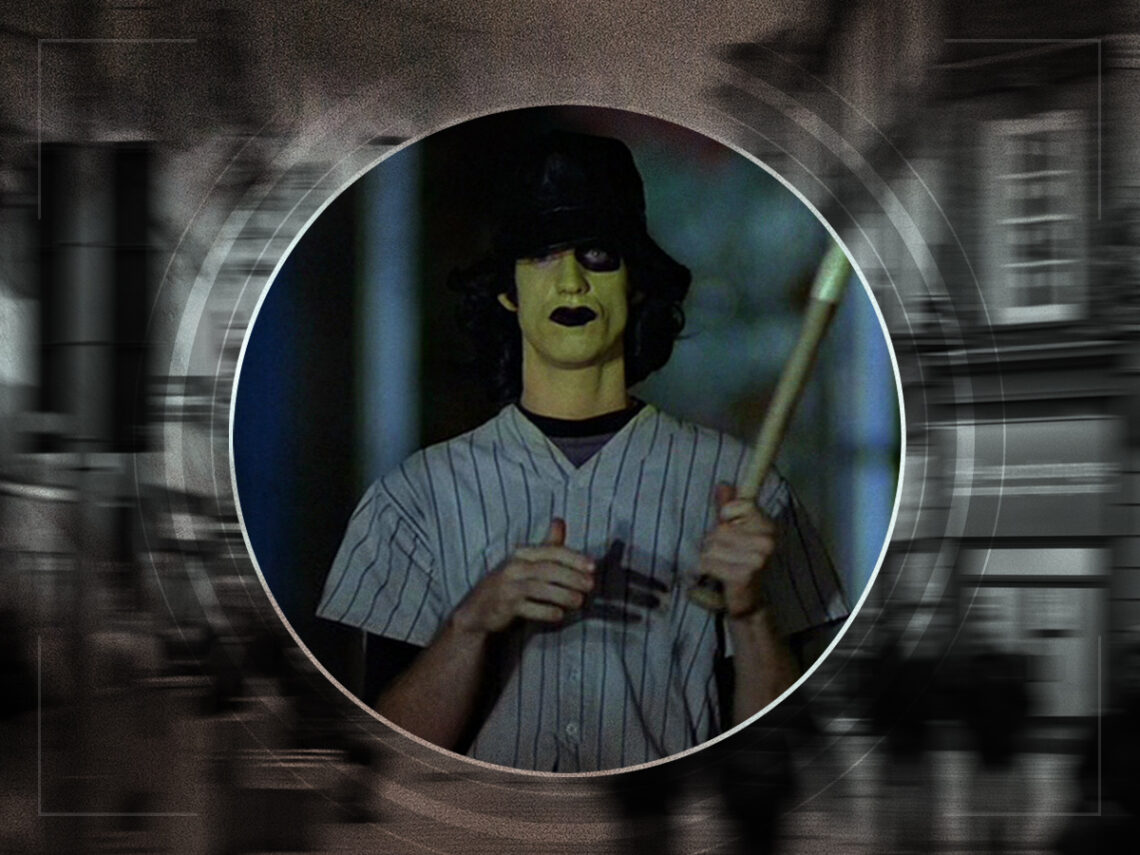
“Warriors, Come Out to Playyy”: How a 1970s cult classic became public enemy number one in Leeds

Leeds, Leeds, Leeds! – It’s a chant you’ll often hear if you’re in the glorious Yorkshire city, or dirty Leeds, whatever you prefer.
Whether you’re an ardent Leeds United supporter, prefer the city’s ever-evolving music scene, or do all you can to avoid the place (especially the city centre on a Saturday; I think that’s what hell might look like), you can’t deny that it’s a pretty special city full of character.
It might not be the poshest place or have the best public transport (Leeds is literally the largest city in Western Europe not to have a proper mass transit system, including a tram network), but it does have a rich cinematic history, so that’s something.
Back in the late 1800s, French inventor Louis Le Prince moved to the city for work, and it was here that he developed his idea for a motion picture camera, subsequently recording some of the first ever films in the city, including Roundhay Garden Scene and Traffic Crossing Leeds Bridge, and since then, the city has become home to many beautiful cinemas, including the UK’s only gaslit cinema, Hyde Park Picture House, which dates back to 1914.
Many incredible cinema houses have come and gone over the years, like the Scala Cinema on Albion Place, Quebec Street’s Majestic Cinema, and the Plaza on New Briggate. While the city still has various chain cinemas, cosy indie theatres like Cottage Road Cinema in Headingley, and various DIY spots that regularly put on screenings, Leeds used to have so many more, often built within glorious theatres with stunning interiors.
Interestingly, right near the side entrance to the train station, near the front of The Queen’s Hotel, was once a cinema that managed to bypass various censorship laws back in the day, known as the Tatler Cinema Club, formerly the News Theatre, which showed newsreels, but in the ‘60s, it became the Classic Cinema. Soon after, it tapped into the ever-growing market of adult movies and became the Tatler Cinema Club, specialising in erotic films.
It was quite a central location for a cinema screening illicit movies, and you’d likely get spotted walking in there, so you couldn’t have had any shame; then, eventually, it went back to showing more socially acceptable movies in 1979. Before that, however, it used its private members club status as a way to get past a ban that the council had put on a certain film they deemed outrageous.
Released in 1979, The Warriors was directed by Walter Hill, but its exploration of gang violence proved to be too controversial for some, and even though it was given an X rating by the BBFC, local authorities in Leeds sought to ban the film from the city, believing it to have the power to potentially incite violence among youths. However, even though they were successful in preventing it from being shown in cinemas across the city, because the Tatler was a private members’ club, they were able to get around the censorship.
In a clipping from The Yorkshire Evening Post, a critic argued that the film was supposedly less violent than Stanley Kubrick’s A Clockwork Orange, which had been banned in Leeds, and yet, it was the film’s ‘notoriety’ across the pond that really sealed the deal, with it reportedly causing fights and, in some extreme cases, the death of three people. So, inside the seedy Leeds theatre that you could access as soon as you hopped off a train, a strong case against the censorship of movies was being made, and The Warriors was given the chance to hit the big screen in the West Yorkshire city.
