


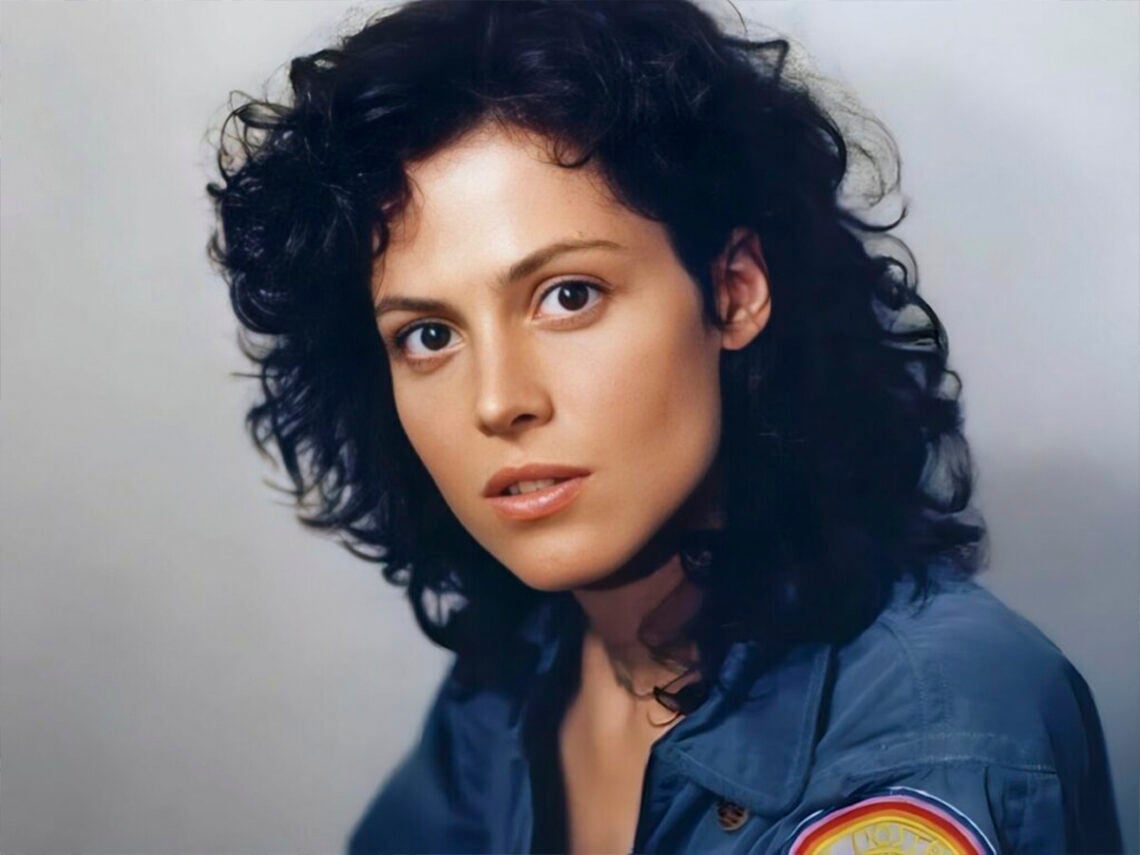
The greatest director Sigourney Weaver ever worked with: “It was very, very liberating”

Sigourney Weaver is one of the most effortlessly iconic women in Hollywood, widely celebrated as one of the first heroines of the action genre through her fiercely dedicated performance in Alien, starring as Ripley in the series as she tries to find the mysterious creature that is slowly eating her crew. But her work did not end there, with the film going on to spark a long franchise, with Weaver remaining as a star of the genre through performances in Ghostbusters and Avatar, also working with directors like Woody Allen, Mike Nichols and Paul Schrader throughout her time on the silver screen.
However, given the many directors that Weaver has collaborated with, she described one has having the most profound impact on her, and given their filmography, this effect is hardly surprising.
Australia has given birth to many of the greatest modern filmmakers, with the Australian New Wave leading to works such as Walkabout, Picnic at Hanging Rock and My Brilliant Career. With the likes of Nicolas Roeg, George Miller and Gillian Armstrong on the block, a new movement emerged that paved the way for unconventional new voices, creating a blend of dystopian and satirical stories that commented on the corruption of the natural world through capitalism and modernity and the loss of innocence.
However, one of the most crucial directors within this movement Peter Weir, with his 1975 film Picnic at Hanging Rock being one of the most mesmerising and unsettling stories coming-of-age stories about desire, female sexuality and the perceived loss of innocence. From this point, he went on to make a mark in Hollywood through cult classic films like Dead Poets Society and The Truman Show, also continuing ideas about surveillance and the stifling impact of oppressive values.
As a result, it comes as no surprise that Weaver was endlessly inspired by his cinematic voice and creativity when working with him in 1982, starring in The Year of Living Dangerously alongside Mel Gibson.
The film follows an Australian journalist who travels to Indonesia, befriending a Chinese Australian photographer with a deep connection to the people and falling in love with a British national. When asked about her most memorable production, Weaver was quick to mention Weir, saying, “I guess it would be The Year of Living Dangerously, working with Peter Weir. I think it was Peter who introduced me to film, really. I learned so much from him.
Weaver expanded on this, saying, “I had to play an English woman, but he said, ‘Just be you talking to Mel [Gibson]. That’s all I want the camera to see. Don’t worry about the character.’ I was so thrown by that because no one had ever said it so simply to me, that it was about being present. He would also say things which were very hard for me to hear. Sometimes you think you’ve got a great scene. You see it in dailies, and it’s never as good as you think it’s going to be. But it’s never as bad as you think it might be. He said, ‘It’s okay if it’s just okay.’ And I was like, ‘It’s just okay?!’ It was very, very liberating to work with him and that philosophy of film, which is, ‘It’s all going to go wrong and that’s going to work for the scene.’”
Ultimately, filmmaking comes down to spontaneity and the moments that cannot be planned, but the journey of letting go of control is never an easy one, something that Weaver learnt through her time with Weir.
