


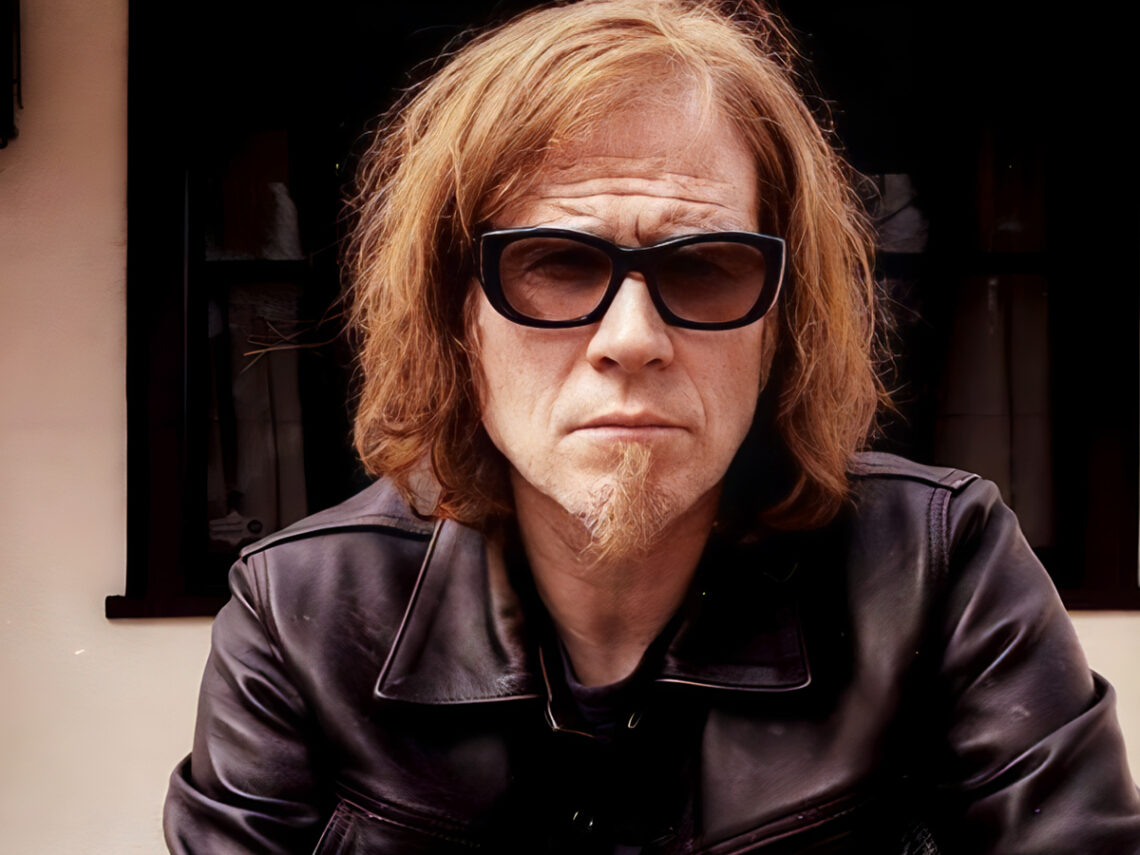
The “genius” Mark Lanegan thought was “in a class” of his own

If there’s one thing that always made Mark Lanegan’s work instantly recognisable, it’s the omnipresent rasp in his voice that permeated through every track he featured on.
Whether it’s his work as a solo artist, as the frontman with Screaming Trees, or on the handful of guest appearances he made on records by Queens of the Stone Age during his lifetime, the vocals he delivered were unmistakable. Even if you weren’t familiar with the song, it would always be easy to determine that Lanegan was the man behind the microphone.
Having a style so easily identifiable is something that will always help you throughout your career, and the coarseness of Lanegan’s guttural growls weren’t just a trademark, but a selling point. Fans actively wanted to hear him grumble as though he had a mouthful of hornets and ballast at all times, and while some might think that’s the sort of trait that might wear down his capability over time, one could argue that he only became more suited to this grisly tone as his career progressed.
Of course, while this style made him easily identifiable, that doesn’t mean it was entirely unique, and because of how rough he could sound, it was also easy to trace his vocal influences back to the bluesmen who were known for their equally gruff timbres.
While Lanegan was known for having recorded an unreleased album of Lead Belly covers alongside Kurt Cobain in 1990, allowing the pair to indulge their mutual appreciation for American traditional blues, he’s also been widely compared to the likes of Tom Waits, Howlin’ Wolf and Captain Beefheart over the years for how he managed to consistently deliver in such an abrasive manner.
It’s no coincidence that Beefheart happened to be one of Lanegan’s earliest obsessions, and in a 2019 interview with Fred Perry Subculture, he proclaimed that the opening song from the first album he released alongside The Magic Band, ‘Sure ‘Nuff ‘N Yes I Do’, was the first song he recalled listening to on repeat, largely because of how transfixed he was by Beefheart’s delivery.
“When I first heard Safe As Milk as a fourteen-year old I was instantly captivated by Beefheart’s voice,” Lanegan explained. “The music itself seemed, at first, like some psych ward patients had got ahold of some instruments and were attempting to play the blues.”
He then went on to discuss how Beefheart’s subsequent material opened his mind to an even more experimental approach to blues music. “A couple of years later I got a copy of Trout Mask Replica and it was a hundred times more insane,” he added. “Then I realised they had created something not just ahead of its time, but something outside of time altogether. Pure genius, not of this earth.”
It’s not surprising to learn that Lanegan was long inspired by the avant-garde blues leanings of the Captain, but for a teenager to be exposed to a style so off-kilter is either going to deter them from ever listening to anything of this ilk again, or going to send them on a lifelong mission to emulate its strangeness. Luckily for us, Lanegan opted to take the latter path and follow in the footsteps of acid blues’ premier shrieker.
