


‘The Furious’ review: A bold brutal action thriller with some of the decade’s best stunts

There isn’t a wasted moment in director Kenji Tanigaki’s ruthless, blisteringly entertaining Hong Kong action film.
The Furious is a direct, kinetic thrill ride that does everything that an action film could do, mostly because it’s cut down to its core essentials. While it is by no means a reinvention of the wheel, the latest film from the noted choreographer and stunt coordinator Kenji Tanigaki has a keen understanding of the necessary emotional beats to hit, the appropriate complexity of the story, and the right amount of absurdism that avoids feeling weightless.
Although comparisons will be made with The Raid films, given their international popularity, The Furious doesn’t mistake itself for a sprawling crime epic; there are noted moments of political commentary when it comes to the fractured state of justice, but nothing is more important there than the immediate goal of each set piece. It’s pitched at a scale where there is room for the incalculable talent of the stunt artists to be on display, but doesn’t collapse under the weight of budgetary expectations. In other words, it’s both the best action film of the year and a shining example of what the genre can be.
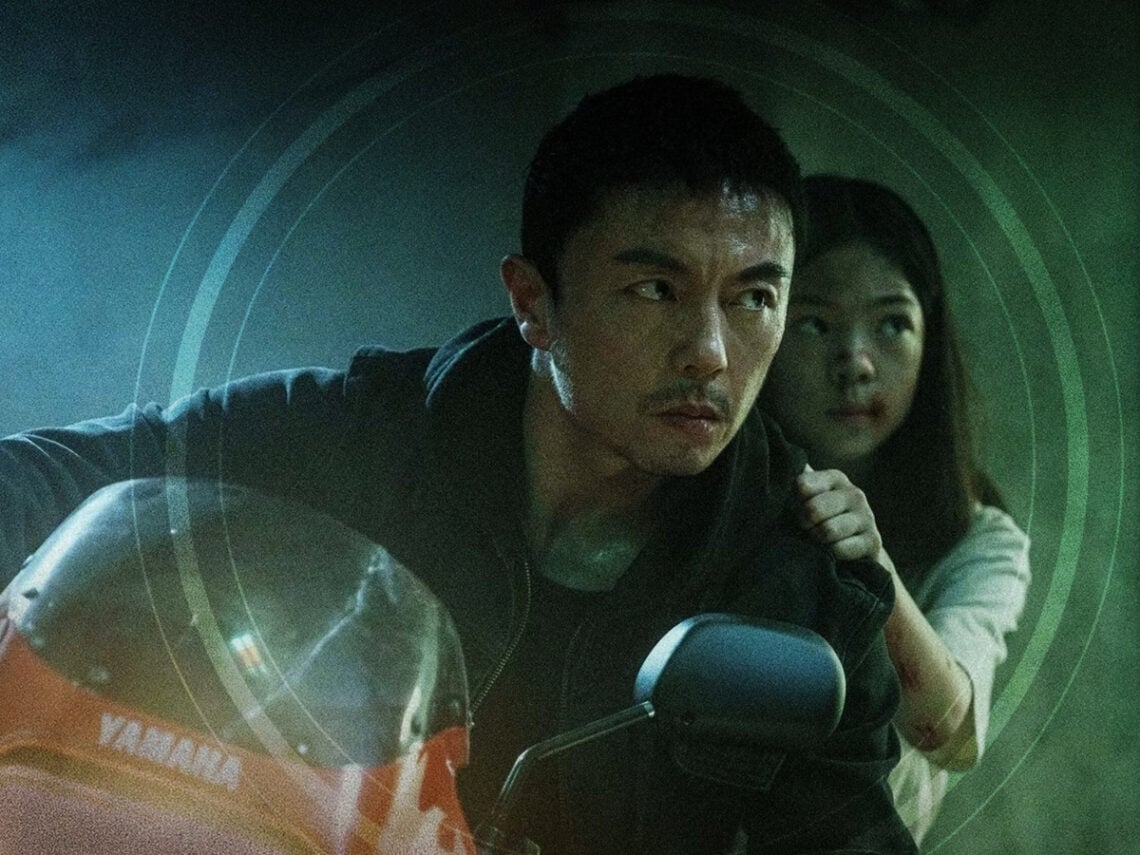
The Furious stars the Chinese martial artist Xie Miao as Wang Wei, a tradesman who has led a simple life with his daughter Rainy, played by Yang Enyou, following the death of his wife. While Wang has been reluctant to discuss any details of his past, he’s forced to return to the nation’s criminal underworld when Rainy is kidnapped by a group of human traffickers under the control of the slick businessman Paklong, portrayed by Joey Iwanga, who is the wealthy heir to a powerful family.
While searching for the conspirators, Wang comes across evidence reported by the journalist Matia, played by Yanin Vismitananda, that the traffickers are specifically targeting children from impoverished communities, and have allies within all levels of the police and government. Wang finds an ally in Matia’s husband, Joe Taslim’s Navin, as they both have loved ones they are seeking to rescue.
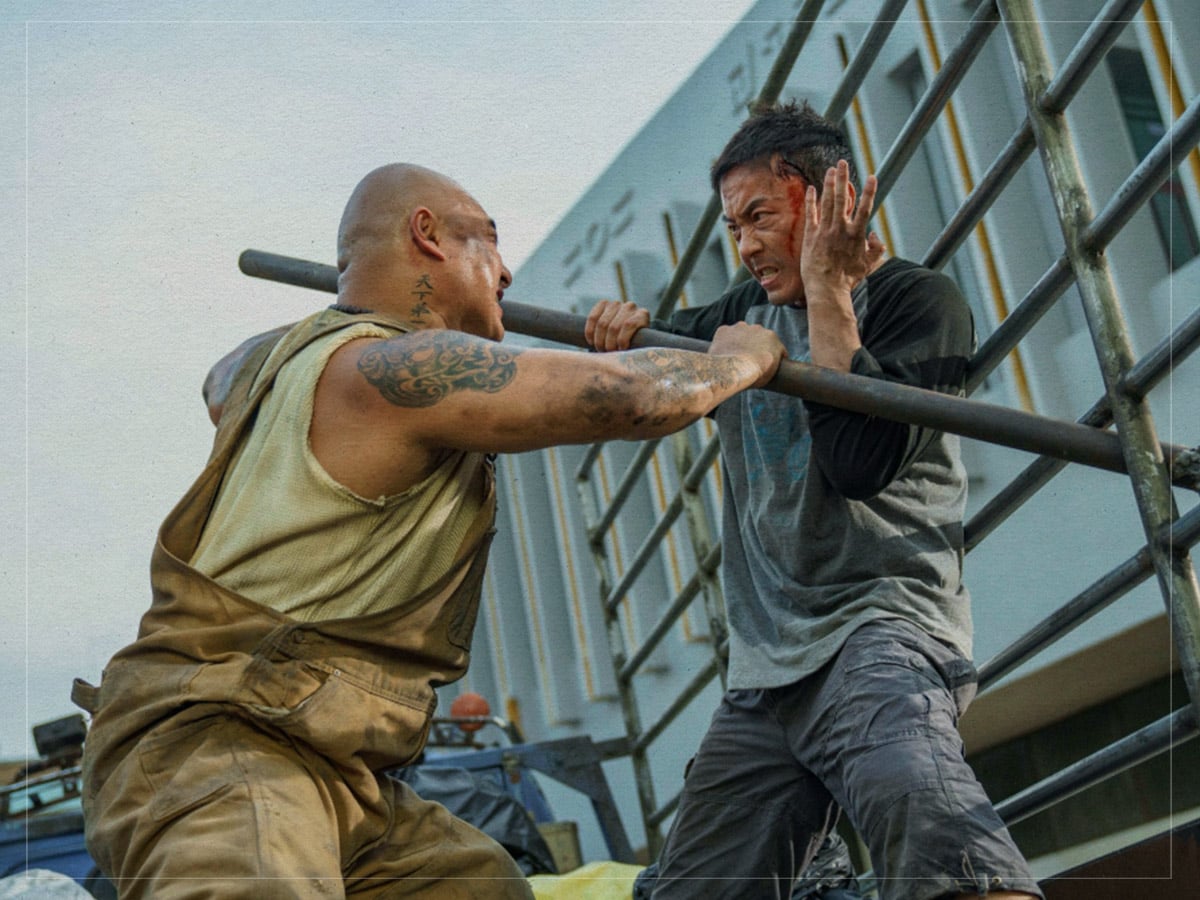
Other than a brief cold open that shows Matia getting mixed up with the criminals she’s investigating, The Furious is very direct in its narrative progression. Once the kidnapping is initiated, it’s Wang’s fists and fury that guide the story through back alleys, strongholds, and literal fighting rings to face off with hordes of bad guys. Keeping the focus on a singular, one-man army of a protagonist could be risky, but Xie is remarkably expressive in a near-silent performance. It’s not only a feat of physicality regarding the death-defying stunts, but a well-rounded character whose concern, fear, and apprehensions are conveyed in a performance reminiscent of the great stars of the silent era.
It’s a testament to Tanigaki’s creativity that The Furious is able to keep justifying ways to isolate its characters for the sake of all-out brawls in which the screen isn’t cluttered. Each environment feels lived-in and tumultuous, leading to fights where any number of objects could be used as a weapon. It’s a film where the blows land and the heroes get hurt, and the kills are just as sickly grotesque as one might expect from a slasher film.
Tanigaki is also able to keep the story clipping along at a healthy pace, given that Wang and Navin do have to do a bit of detective work in order to trace the whereabouts of the missing kids. It’s enough to offer a brief reprieve from the momentum, and letting the viewer catch their breath is critical in ensuring that The Furious never feels mindless; even if there’s nothing particularly complex about the father-daughter relationship at its core, the film is sincere enough with its emotionality to justify Wang’s descent into hell.
Where the film falters is nearly every character outside of the main duo. The villains are nothing more than a collection of amplified clichés, and the somewhat compelling storyline involving Paklong’s defiance of his family is sorely undercooked. A subplot involving police corruption is almost laughably amateurish, filled with bad dialogue, and even if there’s a point to be made about how the system is designed to fail people like Wang, the film can’t help but turn every law enforcement officer into either a moustache-twirling supervillain or a morally impeccable hero.
Nonetheless, the energy kicks back in whenever Navin and Wang have the chance to interact. Talin’s performance in particular is layered and surprisingly moving, showing that he’s a sorely underrated actor who the industry should offer more roles to.
The Furious does grind to a bit of a standstill in its penultimate setpiece, and the first half of the film creates such lofty expectations that it’s hard for anything to live up to. Nonetheless, there aren’t many contemporary action films that run nearly two hours in length and don’t have some baggage, making it all the more impressive that the dull instances are only occasional. While Tanigaki had previously been best known as a stunt coordinator on films like Blade II and Snake Eyes: GI Joe Origins, The Furious solidifies him as one of the contemporary masters of the genre.
