


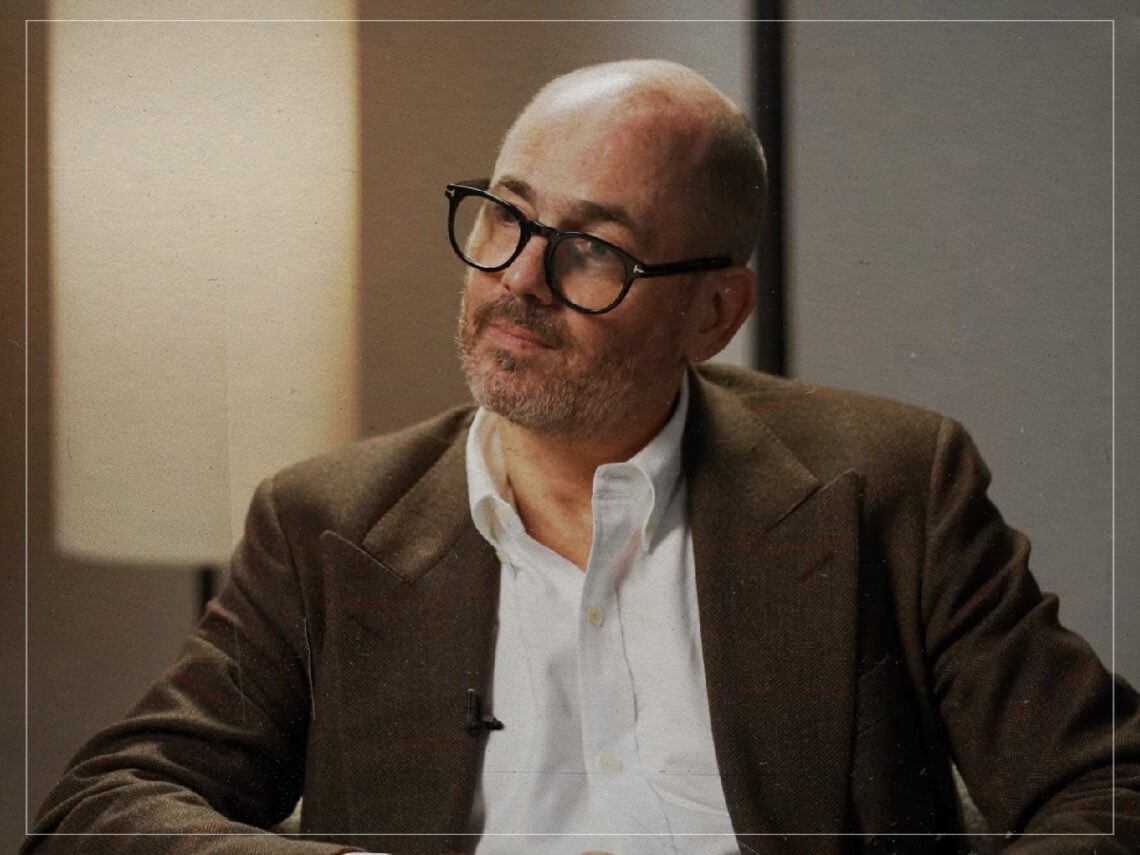
The four filmmakers Edward Berger would be “over the moon” to work with

You might expect Edward Berger to have gotten his inspiration largely from German film, considering most of his work up until Conclave was in his mother tongue, but regardless of the undoubted German presence in his films, he finds much of his inspiration from Asia.
And really, who can blame him? Some of the best films ever made, but especially of the past 20 years, have been a product of the continent: think Akira Kurosawa’s Seven Samurai, Wong Kar-Wai’s In the Mood for Love and Bong Joon-ho’s Parasite, to name just a few.
Berger even took his latest production to China, although the novel it was based on did call for this. The Ballad of a Small Player saw Berger head to Macau, the aptly nicknamed ‘Las Vegas of Asia’, to create the film starring Colin Farrell as a down-and-out conman turned compulsive gambler.
Speaking to local publication, The Macau News, Beger discussed the four Asian filmmakers he would be “over the moon” to simply talk to, let alone work with. “I adore Asian cinema,” explained the filmmaker, “I’m a big fan of Johnnie To and Wong Kar-Wai’s films”.
The prolific chameleon, Johnnie To, might be most popular in his native Hong Kong, but his action films have found a worldwide audience, such that 2009’s revenge thriller, Vengeance, even competed for the Palme d’Or at the Cannes Film Festival.
To’s highly stylised visuals, quiet realism and social observation lend themselves well to the genre, but the most interesting part of his filmmaking is his collaboration with the same group of actors, screenwriters and cinematographers. The former makes it understandable why Berger is a fan.
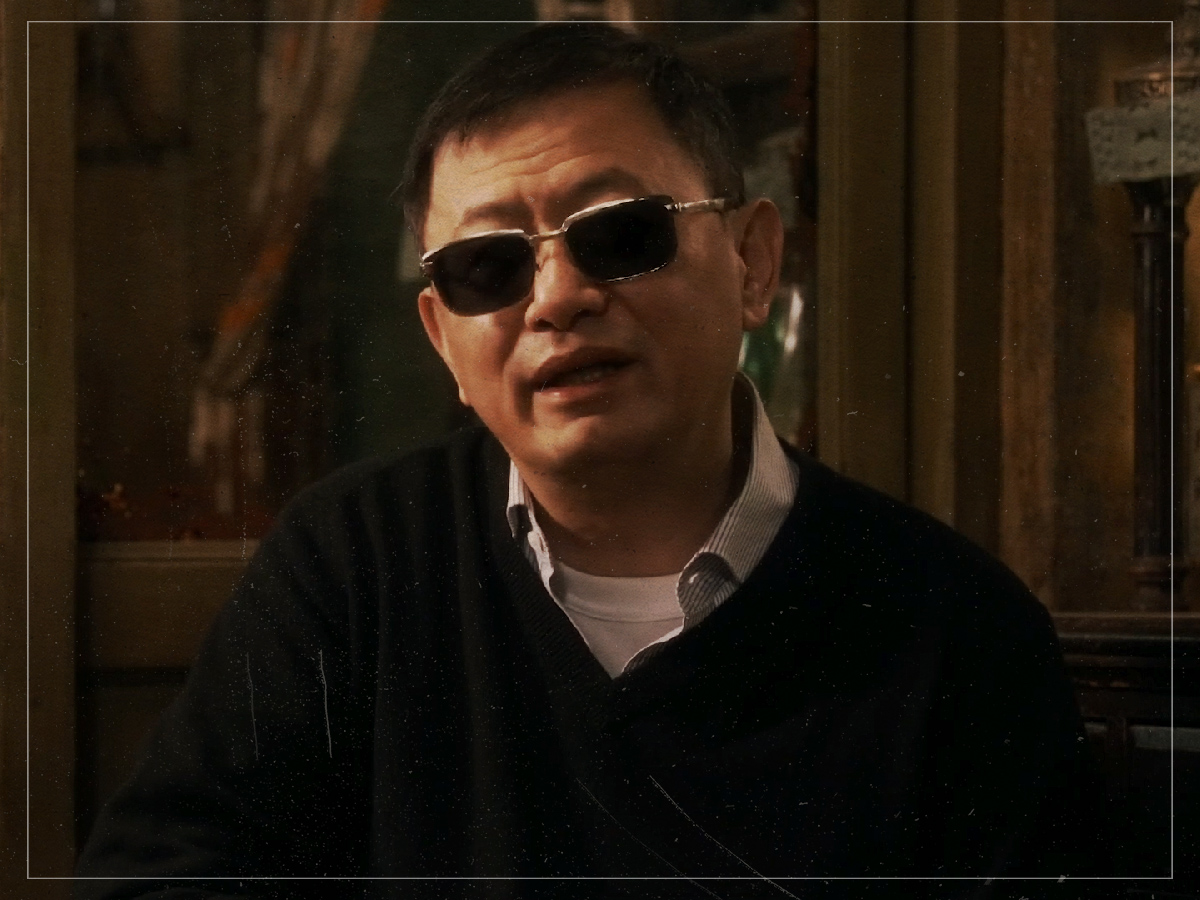
Even if you’re not knowledgeable in Asian cinema, you’ll probably have heard of Kar-Wai. Unless you happen to live under a rock or are, god forbid, one of those people who can’t deal with subtitles, Kar-Wai’s vibrant, atmospheric and yearning films are rightfully praised worldwide.
The saturated, heart-rending In the Mood for Love is the unrequited love film, yet his movies can also be exhilarating and digressive as he’s anything but one note and the definition of an auteur. You would be wrong to mention your favourite Asian filmmakers and leave him off the list.
“Hirokazu Kore-eda influenced many of my early films,” the director went on, “I watched his work over and over again”. The first Japanese filmmaker to win the Palme d’Or in over 20 years for his 2018 film Shoplifters, Kore-eda is beloved for his gentle, human-focused approach to cinema.
Shoplifters deals with similar themes to Bong Joon-ho’s Parasite, but in a much less bombastic, cynical way. The rest of his films follow a similar suit as a languid domestic drama focused on the quotidien but with a deep emotional heart.
Berger’s last pick also happens to be one of the former’s biggest influences too: “I’m also a big fan of Hou Hsiao-hsien’s films”, who is perhaps Taiwan’s most influential auteur, ushering in the New Taiwanese Cinema movement with his creative, self-aware and artistic films. After all, those were the tenets of the movement.
Hsiao-hsien embodied these tenets with his tranquil films that often focused on stories of adolescence and political turmoil. Yet again, the man has a Cannes Film Festival award behind him, this time ‘Best Director’ for his Wuxia drama The Assassin, which completely turned one of China’s most oversaturated genres on its head.
It’s hard to picture these mostly quiet, thoughtful auteurs alongside the likes of Berger, especially off the back of The Ballad of a Small Player, but considering the quieter Conclave and earlier dramas, it becomes a little clearer. One thing’s for sure, Berger has great taste and perhaps should take a page out of his favourite directors’ books for the next feature.
