


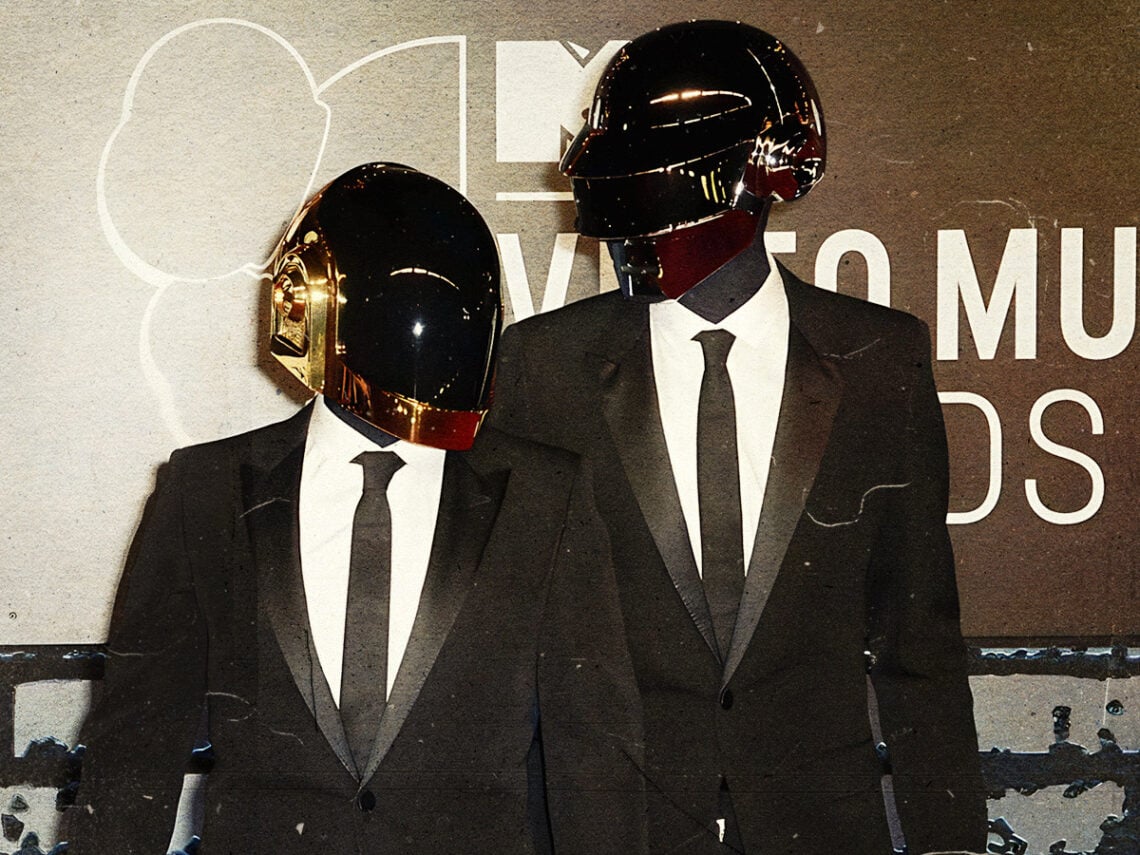
The forgotten song that inspired Daft Punk’s ‘Harder, Better, Faster, Stronger’

Daft Punk are among the most influential artists of the past three decades, and that’s an unquestionable fact, as is the oft-obscured truth that they are a result of garnering inspiration from others before them.
Across just four albums, they managed to reshape culture in ways only a select few artists can claim, changing the landscape of music to expand the possibilities of the art form. Thus, even four years after Thomas Bangalter and Guy-Manuel de Homem-Christo went their separate ways, leaving millions feeling crushed in the wake of their split, their impact has only continued to leap and bring in newer fans.
It wasn’t just the rich sound textures they produced in the studio, but the fact that they were able to create a whole new world through their music, where track after track can transport listeners to a different dimension, which is why so many still cling so passionately to them; however, what we tend to forget is that Daft Punk are also an extension of their influences.
The songs and sounds they sampled further spotlight the taste and sensibilities that allowed them to create magic, wherein they perfected the discipline of taking the best parts of the world around them and converting them into enchanting audio files, which is why the bits and pieces they used to concoct their own product shouldn’t be overlooked either.
A quintessential example of this is the song ‘Harder, Better, Faster, Stronger’, which is one of their biggest hits and perhaps the most recognisable song they ever put out. An entire generation had their first taste of the track through Kanye West’s 2007 blockbuster ‘Stronger’, which sampled the hit; yet, the source material for the Graduation track was a derivative of a time far removed.
Unlike the six-year gap between the French house icons and Ye’s tune, the sample that ‘Harder, Better, Faster, Stronger’ was constructed around goes back several decades to American instrumentalist Edwin Birdsong, who made a name for himself during the 1970s and 1980s by redrawing the borders of funk, soul, jazz and disco music. As a result, he ended up producing an array of sounds that have since been sampled by a number of accomplished artists over the years, and among them was Daft Punk, who borrowed a layer from his 1979 track, ‘Cola Bottle Baby’.
An upbeat disco-funk number, it provided the pair with a solid foundation to build one of the most dynamic songs of the 21st century, heavily digitised into a more colourful piece. Their version also robotises the following line from the ’70s TV series The Six Million Dollar Man: “We can rebuild him better, stronger, faster”, and these transformations and additives gave the original a whole new identity and extended its life all those years after it was first released.
Accompanied by a vivid animated music video that was subsequently used in a movie about the album it was taken from, Discovery, with time, the track has transcended its intended medium and continued to thrive in spaces far beyond the one in which it was born.
While Daft Punk surely deserves credit for piecing together the masterpiece, Birdsong also contributed (albeit unknowingly) to the basis for its widespread allure and eventual immortality.
