


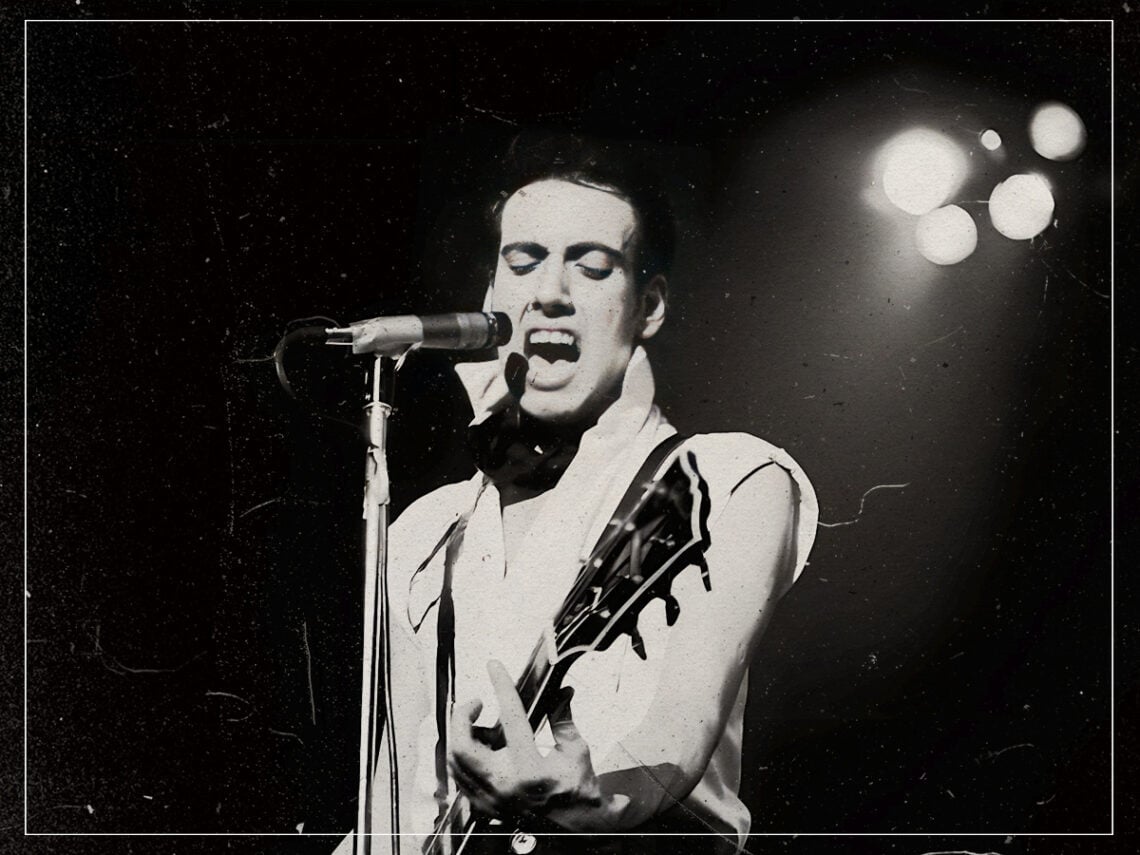
The forgotten Sheffield pub where The Clash was born

The punk movement was born in pubs. Pub rock was a precursor to this legendary sound, and it’s where bands carried the torch while the genre was still underground.
Rock music was losing touch towards the end of the 1970s. The sound had grown too big for its own gigs, as bands kept adding more and more elements to the genre until it began to feel almost unrecognisable. The raw grit that had originally drawn listeners in was slipping away. Fans who once connected with bands like the Rolling Stones began to feel that these groups, once seen as reflections of themselves, had become distant and unrelatable.
In addition to that, going to watch rock music live was equally impossible. If you went to go and see your favourite band, you’d be standing in a field or a stadium somewhere, so far back that if you held your thumb in front of your face, the stage would be completely lost. This was a form of music that people used to connect with, and now it was a gimmick.
Pair that with the declining state of the country, and you have the perfect recipe for punk. These were budding musicians who wanted to feel connected to the music they put out once again, and also wanted to vocalise their disdain towards the societal shortcomings of the place they called home. What better place to do all this than within angry-sounding music, played within the confines of a pub?
All in all, the movement burned bright and fast. This was a style of music that didn’t exist in its pure state for too long, but the ideology of punk is something that modern artists still carry with them and that resonates the minute players add a lick of distortion to their guitars. Eddie Vedder said himself that “most punk bands were pretty much crash and burn.”
Out of the punk bands that were making music at the start of the genre, there are very few that have become household names. These include the likes of the Ramones, Sex Pistols, and, of course, The Clash. Go for a night out in any town, and chances are a tune like ‘London Calling’, ‘Rock the Casbah’ and ‘Should I Stay or Should I Go’ will find its way bleeding through the speakers eventually.
John Lydon was never a big fan (shock, horror) as he felt the band weren’t very authentic to the punk ethos. While they had the image nailed down to a tee, Lydon attested that they were putting on a working-class aesthetic to try to appeal to audiences. “It’s nothing personal. I liked Joe [Strummer],” he said, “But you can’t be a champagne socialist. You’ve got to be more honest with us than that.”
While Lydon might not have appreciated their music, the public did (and still does). Few people know that the band originally got their start in Sheffield, at a once iconic but now forgotten pub called the Black Swan (which locals used to refer to as the Mucky Duck). The importance of these gigs can never be understated with any band, but especially punk outfits, which relied on their live energy a massive amount. The first gig in Sheffield wasn’t a huge success, but it gave the band initial form, as they were suddenly able to work out the kind of sound that they wanted to project to the masses and tighten up the screws where they felt they were coming loose.
After that gig, they lost their third guitarist, Keith Levene, and started working more on their repertoire so that they could really wow audiences at shows only a couple of months later. The pub may be forgotten, and the set may have been lacklustre, but without that version of The Clash playing at that specific venue in Sheffield, we may never have gotten the refined version of one of the most famous punk bands in the world that we know and love today.

Never Miss A Beat
The Far Out Punk Newsletter
All the latest Punk content from the independent voice of culture.
Straight to your inbox.