


The “dirty” Fleetwood Mac song Stevie Nicks refused to sing on in 2003

Three things are certain in life – death, taxes, and the fact that Lindsey Buckingham will always have something snidey to say about Stevie Nicks.
Despite reaching the pinnacle of rock stardom together in Fleetwood Mac, the pair were never exactly well known for seeing eye to eye – to put it lightly – with their feud broiling all the way from their disastrous breakup in the 1970s until 2018 when Buckingham was ultimately fired from the group.
Their relationship became one of the defining storylines of Fleetwood Mac’s history. Even when they managed to share a stage and create music together, personal tensions often simmered beneath the surface, providing inspiration for countless songs and fuelling decades of public fascination.
But even long before then, they never quite mastered the art of subtlety when alluding to their grievances with each other. Take the song ‘Come’, for example, from the 2003 album Say You Will. It’s a rarer occasion, at least from that era, that the album was dominated by Buckingham’s vocals, and indeed on this song. But it wasn’t necessarily by choice. As it turns out, the reason Buckingham took the lead was that Nicks flat-out refused to sing it.
By the time Say You Will arrived, Fleetwood Mac’s internal dynamic had already shifted significantly. Christine McVie had stepped away from the group, leaving Buckingham and Nicks to occupy even more creative space, which inevitably placed greater focus on their complicated working relationship.
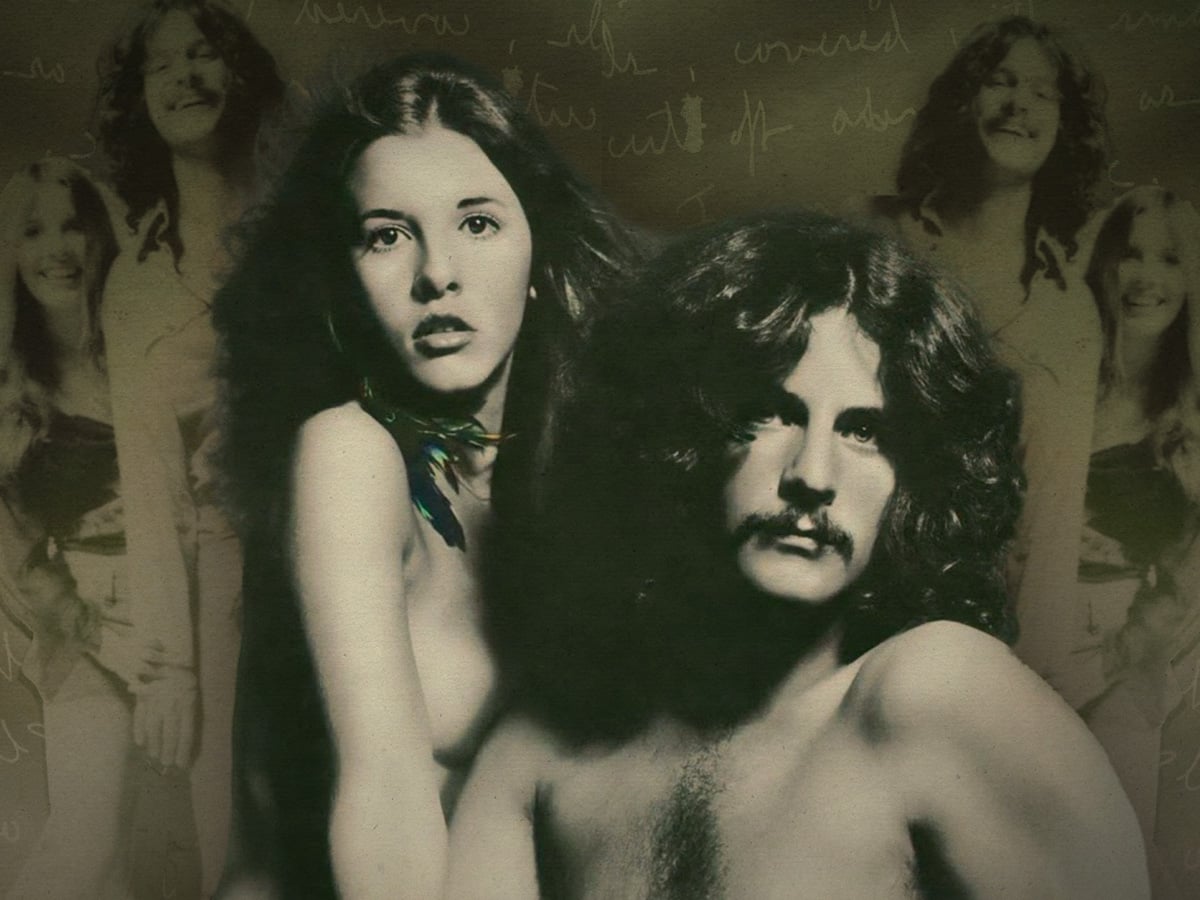
Buckingham asserts himself as being a pioneer of innovation in the studio, and although it seems that Nicks was intrigued by the idea, he claims that she never had the guts to go through with it. Speaking at the time of the album’s release, he sermonised his feelings by saying: “Stevie sees herself as being defined within a certain set of boundaries, outside of which things probably don’t ring true to her, or to the people who listen to what she does. But at the same time, I think she’s intrigued by the idea of pushing the envelope, especially on this album. She never wants to go too far with it, though.”
Her issue with ‘Come’ arose with respect to its smutty inferences. “I asked her to sing on the song, and she wouldn’t. I think she thought it was dirty,” Buckingham explained. Without knowing Nicks’ true reasons for not wanting to sing the song, it is difficult to say whether her former bandmate’s claims stand up to contention, but regardless, it didn’t stop him from speculating a bit more and, of course, having a bit of a dig. He just can’t help himself.

Buckingham continued: “That tells you something about someone who has been a rock icon but, in some ways, is still quite a conservative person. And I don’t see her as someone who has lived her life very conservatively. So, there’s an interesting dichotomy there.”
While he is known for his somewhat exorbitant opines, there is some element of truth in what Buckingham is saying. Maybe the constant clashing of dichotomies, personalities, and tensions became too much to bear as the process for Say You Will reached its conclusion because not only had the album marked the first foray after Christine McVie’s departure from the band, but it was indeed the final original record Fleetwood Mac ever produced.
In this context, it seems a little oddly suspicious that ‘Come’ never made it onto a Fleetwood Mac setlist and was rarely performed live, bar from Buckingham’s own solo live album, One Man Show, in 2012. Although it’s far from a terrible song, it’s pretty clear that it must’ve gone down as a bit of a lead balloon with the rest of the band. Stevie Nicks refusing to sing explains a lot – because evidently, it was her who really wore the trousers.
Whether or not that conclusion is entirely fair, Nicks’ influence within Fleetwood Mac was undeniable by this stage. Her ability to shape decisions, directly or indirectly, reflected the stature she had earned after decades as one of the band’s most recognisable and commercially important members.
